
Top rated tires: speed rating on tires
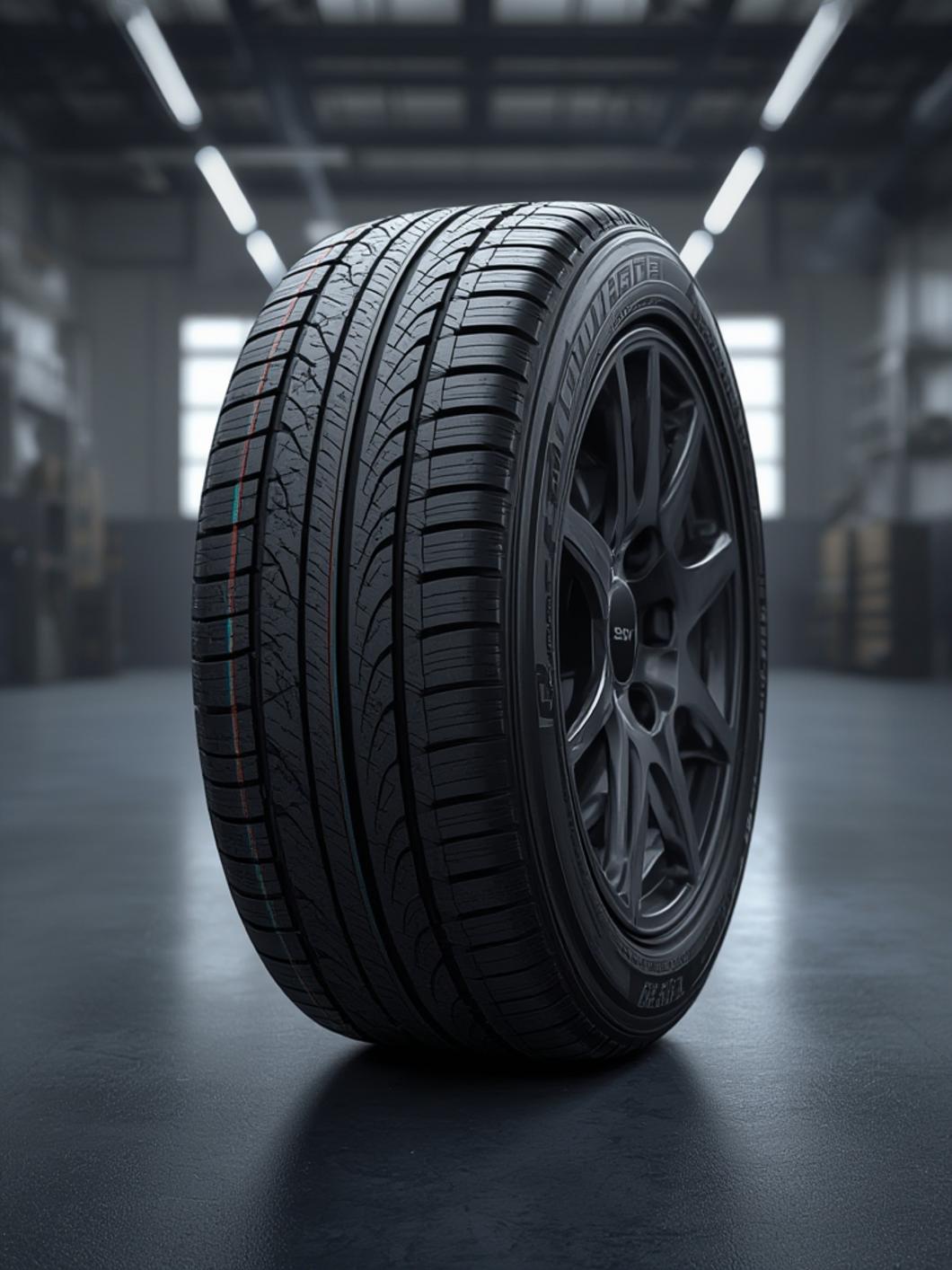
Have you ever wondered what those letters on the side of your tires actually mean? When it comes to vehicle safety, understanding the speed rating on tires isn’t just for racing enthusiasts it’s essential knowledge for every driver. The tire speed index directly impacts how your vehicle handles at various speeds, especially in emergency situations.
Table of Contents
This comprehensive guide will walk you through everything you need to know about tire speed ratings, helping you make informed decisions about your vehicle’s safety and performance.
Materials & Supplies
To properly check and maintain your tires with appropriate speed ratings, you’ll need:
1. Tire pressure gauge – For checking inflation levels (digital versions provide more accurate readings)
2. Flashlight – To clearly see tire sidewall markings and information
3. Magnifying glass – Helpful for reading small print on tire sidewalls
4. Notebook or smartphone – To record tire specifications and purchase information
5. Air compressor or tire inflator – For maintaining proper tire pressure
6. Tire tread depth gauge – To monitor tread wear which affects speed rating performance
7. Owner’s manual – Contains manufacturer’s tire recommendations including speed ratings
8. Camera – To photograph tire information for future reference or when shopping
Timing / Inspection Schedule
Check your tire speed ratings:
– When purchasing new tires (critical decision point)
– Every 3-6 months as part of regular tire maintenance
– Before long road trips or high-speed driving
– After any tire replacement or repair
– When changing between seasonal tires
– If you notice unusual handling or performance
Unlike tire pressure or tread depth that change over time, speed ratings remain constant for the life of the tire. However, damage, repairs, or excessive wear can effectively lower a tire’s true safe operating speed below its original rating.
Step-by-Step Instructions
1. Locate the tire information – Find the alphanumeric code on your tire’s sidewall. It typically appears in a format like “P225/65R17 95H.”
2. Identify the speed rating – The speed rating on tires is represented by the last letter in the sequence (H in our example). This letter corresponds to a specific maximum speed capability.
3. Decode the rating – Use this quick reference:
– Q: 99 mph (159 km/h)
– S: 112 mph (180 km/h)
– T: 118 mph (190 km/h)
– U: 124 mph (200 km/h)
– H: 130 mph (210 km/h)
– V: 149 mph (240 km/h)
– W: 168 mph (270 km/h)
– Y: 186 mph (300 km/h)
– (Y): Above 186 mph (300+ km/h)
4. Check vehicle requirements – Consult your owner’s manual to ensure you’re using tires with the appropriate tire speed index for your specific vehicle model.
5. Maintain consistency – If replacing only some tires, match the speed ratings across at least each axle, preferably all four tires.
Benefits / Advantages
Understanding and selecting the appropriate speed-rated tires offers significant benefits:
– Enhanced safety margins in emergency maneuvers and sudden stops
– Improved handling characteristics at highway speeds
– Better heat resistance during prolonged high-speed driving
– Reduced risk of tire failure when driving at sustained speeds
– Compatibility with your vehicle’s engineering specifications
– Potential insurance compliance (some policies specify proper tire ratings)
– Preservation of warranty coverage for both tires and vehicles
Tips, Alternative Methods, or Driving Advice
– Don’t select tires solely on speed rating-balance with other factors like load capacity, tread life, and fuel efficiency
– Higher speed ratings generally mean softer rubber compounds, which may improve grip but reduce tread life
– Consider seasonal driving conditions-winter tires typically have lower speed ratings but superior cold-weather performance
– For mixed driving conditions, H and V ratings provide excellent versatility for most passenger vehicles
– Performance vehicles should typically maintain manufacturer-specified ratings or higher
– Remember that speed ratings indicate capability under ideal conditions, not recommended driving speeds
Common Mistakes to Avoid
– Mismatching speed ratings across tires, creating dangerous handling imbalances
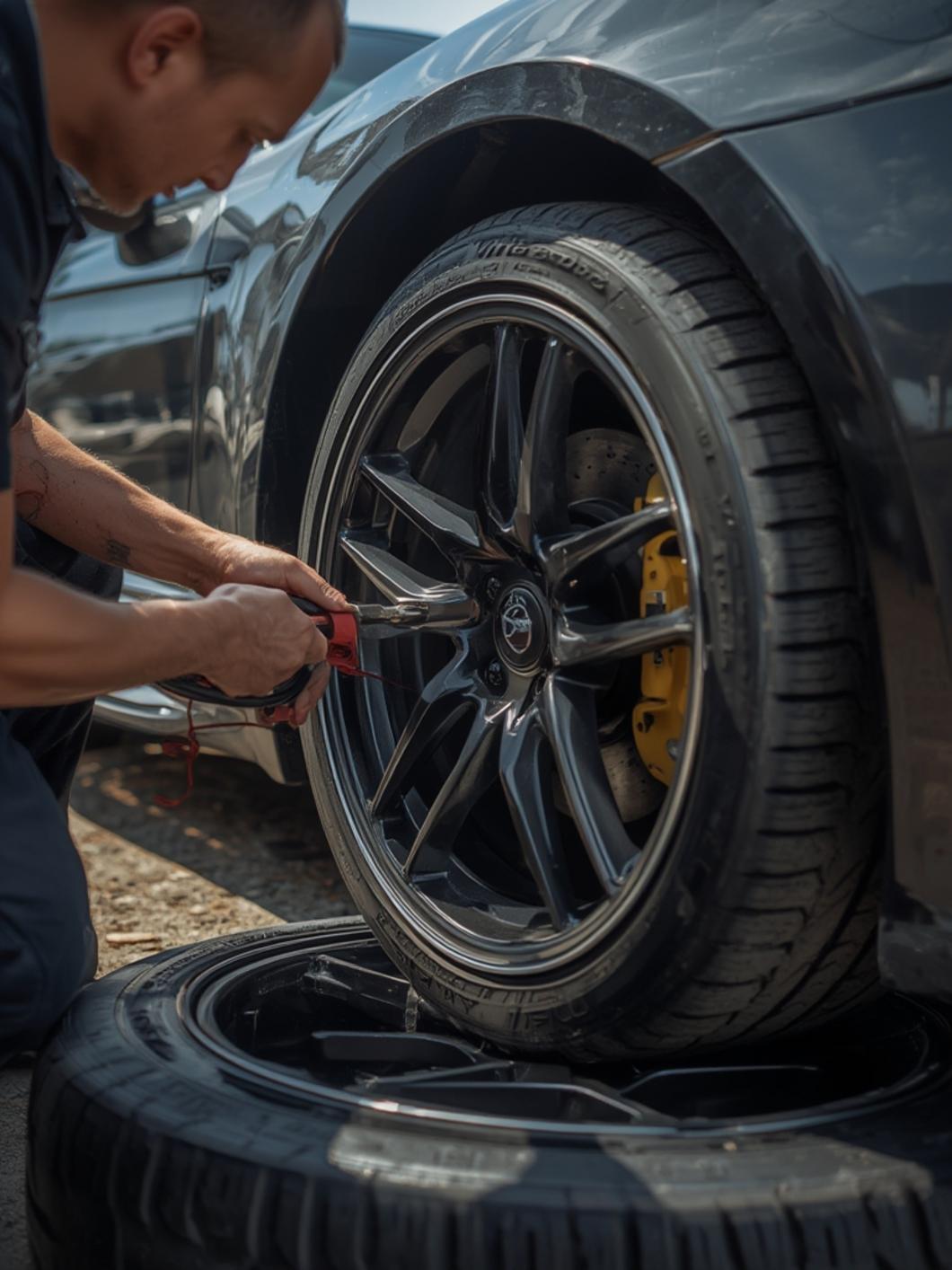
– Ignoring speed ratings after tire repairs (repaired tires effectively drop to a maximum H rating)
– Assuming higher ratings are always better (they often come with tradeoffs in comfort, noise, and longevity)
– Confusing load index with speed rating (they serve different functions)
– Selecting tires below your vehicle’s recommended rating to save money
– Driving at maximum rated speeds regularly (ratings indicate capability, not ideal operating conditions)
Storage / Maintenance Tips
– Keep documentation of your tires’ speed ratings with other vehicle records
– Maintain proper inflation pressure to preserve speed rating performance
– Rotate tires regularly to ensure even wear across all speed-rated tires
– Inspect for damage that might compromise high-speed capability
– Replace tires before tread depth reaches 4/32″ to maintain performance characteristics
– Store unmounted seasonal tires in cool, dry locations away from direct sunlight and chemicals
Conclusion
Understanding the speed rating on tires is an essential aspect of vehicle safety that too many drivers overlook. By following this guide, you can make informed decisions about the right tire speed index for your driving habits and vehicle requirements. Remember that proper tire selection is an investment in your safety, your passengers’ well-being, and your vehicle’s performance. Take the time to check your current tires and consider speed ratings carefully when making your next tire purchase. Your safety on the road depends on these crucial choices.
FAQs
Q: Can I use tires with different speed ratings on my car?
A: It’s not recommended. If absolutely necessary, tires with different speed ratings should be installed in pairs on the same axle, with the higher-rated tires on the rear for stability.
Q: Does a higher speed rating always mean better performance?
A: Not necessarily. Higher speed-rated tires typically offer better handling but may provide a firmer ride, generate more road noise, and wear more quickly than lower-rated options.
Q: Do winter tires have the same speed ratings as summer or all-season tires?
A: Winter tires typically have lower speed ratings due to their specialized rubber compounds designed for cold-weather performance rather than high-speed capability.
Q: What happens if I exceed my tires’ speed rating?
A: Exceeding the speed rating increases the risk of tire failure through overheating, tread separation, or blowout, which could lead to loss of vehicle control and serious accidents.
Q: Are speed ratings just for sports cars and performance vehicles?
A: No, all passenger vehicles have recommended speed ratings. While family sedans and SUVs typically use S, T, or H-rated tires, even these vehicles benefit from appropriate speed-rated tires for safety.