
How to choose the perfect tire load index 90
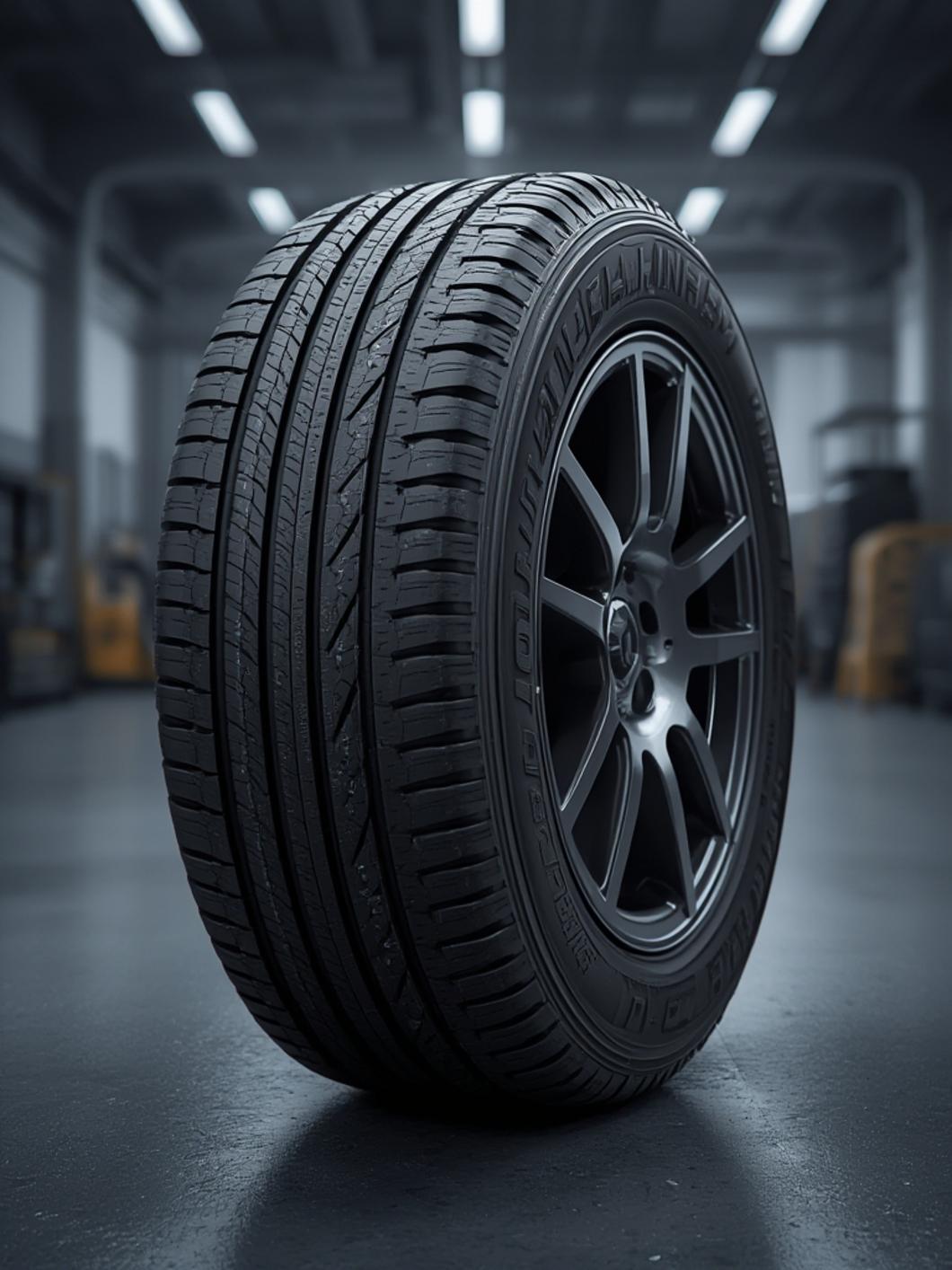
Have you ever wondered what those mysterious numbers and letters on your tire sidewall actually mean? Understanding your tire load index and tire speed rating isn’t just technical jargon-it’s essential knowledge that directly impacts your vehicle’s performance, handling, and safety.
Table of Contents
Proper tire selection based on these ratings ensures your vehicle operates within safe parameters, preventing potential blowouts or accidents while maximizing fuel efficiency and tire longevity. Let’s dive into how you can decode these crucial tire specifications and maintain them properly at home.
Materials & Supplies
To properly check and maintain your tires based on their load index and speed ratings, you’ll need:
1. Tire pressure gauge – Digital models provide more accurate readings than analog versions
2. Air compressor or pump – For maintaining proper inflation levels
3. Tread depth gauge – To monitor wear patterns
4. Jack and jack stands – For safe tire inspection and rotation
5. Lug wrench or torque wrench – For proper wheel installation
6. Tire cleaning solution – To keep sidewalls clean for inspection
7. Flashlight – For better visibility during inspections
8. Owner’s manual – Contains vehicle-specific tire requirements
9. Notebook or smartphone app – To track maintenance history
10. Safety gloves – To protect hands during maintenance
Timing / Inspection Schedule
Regular inspection of your tire specifications should occur:
– Monthly pressure checks – Air pressure directly affects load-bearing capacity
– Seasonal inspections (spring/fall) – Temperature changes impact tire performance
– Every oil change (approximately 3,000-5,000 miles) – Convenient timing for tire rotation
– Before and after long trips – Ensures safety during extended driving
– Any time you notice handling issues – Could indicate incorrect load ratings
Vehicles used for heavy hauling or towing should have more frequent inspections, ideally every two weeks, to ensure the tire load capacity remains sufficient for the demands placed on them.
Step-by-Step Instructions
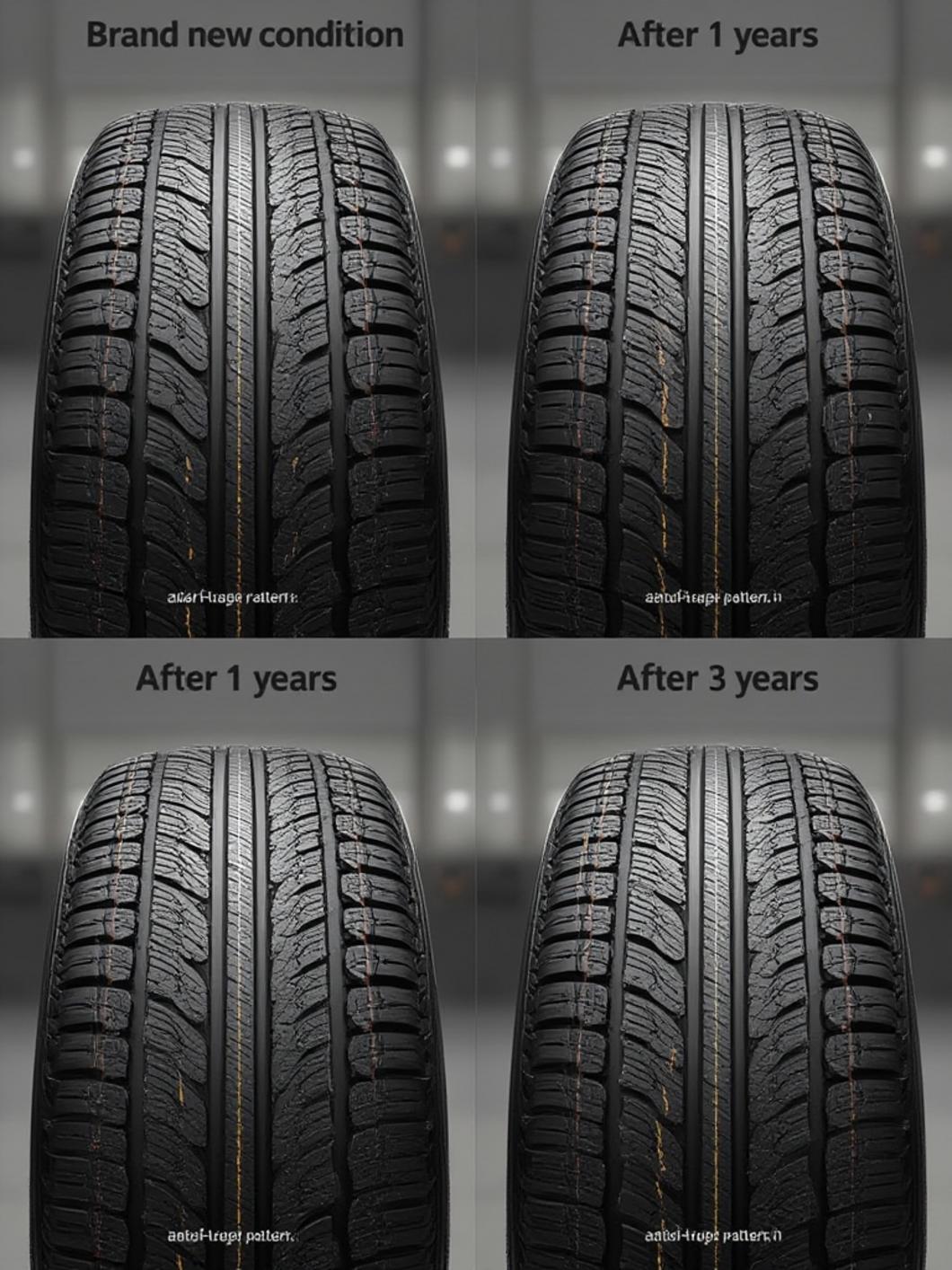
1. Locate the tire information panel on your sidewall. The tire load index appears as a number (typically 75-105) following the tire size, while the tire speed rating is represented by a letter (S, T, H, V, etc.) immediately after.
2. Consult a load index chart to interpret the number. For example, a load index of 91 means each tire can safely carry 1,356 pounds. Multiply by four tires to determine your vehicle’s maximum load capacity.
3. Check your vehicle’s manual for minimum requirements. Never install tires with lower ratings than recommended by the manufacturer.
4. Inspect tires regularly for wear patterns that might indicate they’re being used beyond their load capacity (center wear often indicates overloading).
5. Maintain proper inflation according to your vehicle’s recommended PSI, not the maximum PSI on the tire sidewall, to ensure optimal load distribution.
6. Rotate tires according to schedule (usually every 5,000-7,000 miles) to ensure even wear and consistent load-bearing performance.
Benefits / Advantages
– Enhanced safety – Properly rated tires reduce blowout risks under heavy loads
– Improved fuel economy – Correctly loaded tires minimize rolling resistance
– Extended tire life – Avoiding overloading prevents premature wear
– Better handling and braking – Appropriate ratings ensure optimal performance
– Manufacturer warranty protection – Using correctly rated tires maintains coverage
– Legal compliance – Meets safety regulations for road use
– Reduced suspension wear – Properly rated tires protect other vehicle components
Tips, Alternative Methods, or Driving Advice
– When replacing tires, you can upgrade your speed or load ratings but never downgrade below manufacturer recommendations
– For frequent heavy loads, consider LT (Light Truck) tires even on passenger vehicles
– In extreme temperature regions, select tires with appropriate temperature ratings alongside load and speed considerations
– If you frequently drive at highway speeds, consider a higher speed rating than minimally required
– When storing seasonal tires, mark their position on the vehicle to maintain proper rotation sequence
Common Mistakes to Avoid

1. Ignoring vehicle weight distribution – Front and rear axles may have different load requirements
2. Mixing tire ratings on the same vehicle – Creates unpredictable handling and safety issues
3. Selecting tires based solely on price without considering necessary ratings
4. Assuming all tires of the same size have identical load capacities – Size and load rating are separate specifications
5. Overinflating tires to compensate for heavy loads instead of selecting higher load-rated tires
6. Forgetting to account for passenger and cargo weight when calculating load needs
Storage / Maintenance Tips
– Store unmounted tires standing upright; mounted tire/wheel assemblies should be stacked horizontally
– Keep tires in cool, dry locations away from direct sunlight and ozone sources like electric motors
– Use tire covers for long-term storage to prevent rubber degradation
– Clean tires with mild soap and water before storage to remove road oils and contaminants
– Maintain proper inflation even during storage to prevent flat-spotting
– Document the position of each tire when removed for seasonal changes
Conclusion
Properly understanding and maintaining your tire load index and tire speed rating is a fundamental aspect of vehicle maintenance that directly impacts your safety and driving experience. These seemingly small numbers and letters on your tire sidewall represent crucial safety parameters that should never be overlooked. By following the guidelines outlined in this post, you’ll not only extend the life of your tires but also ensure optimal performance in various driving conditions. Remember that proper tire maintenance starts with selecting the right specifications for your vehicle and driving habits. What tire maintenance step will you implement first?
FAQs
Q: Can I use tires with a higher load index than my vehicle requires?
A: Yes, using tires with a higher load index than required is acceptable and sometimes beneficial for vehicles that occasionally carry heavy loads, but avoid significantly oversized options as they may affect handling.
Q: Does the speed rating matter if I never drive fast?
A: Yes, even for conservative drivers. Lower speed-rated tires may have different handling characteristics and heat resistance properties that could affect safety in emergency maneuvers or during extended highway driving.
Q: How does temperature affect my tire’s load capacity?
A: Higher temperatures reduce a tire’s load-carrying capacity. In hot climates, consider tires with a higher load index than minimally required or maintain slightly higher inflation pressures (within manufacturer guidelines).
Q: Should I replace all four tires if only one has a load index issue?
A: Yes, for all-wheel and four-wheel-drive vehicles, all tires should have matching load and speed ratings. For other vehicles, at minimum, tires on the same axle should match.
Q: How do I know if my tires are overloaded?
A: Signs include excessive center tread wear, bulging sidewalls, decreased fuel economy, and a “floating” sensation when driving. Regular weighing at truck stops can help determine if you’re approaching maximum capacities.