
Top rated 10 inch tire bar for saletire bar
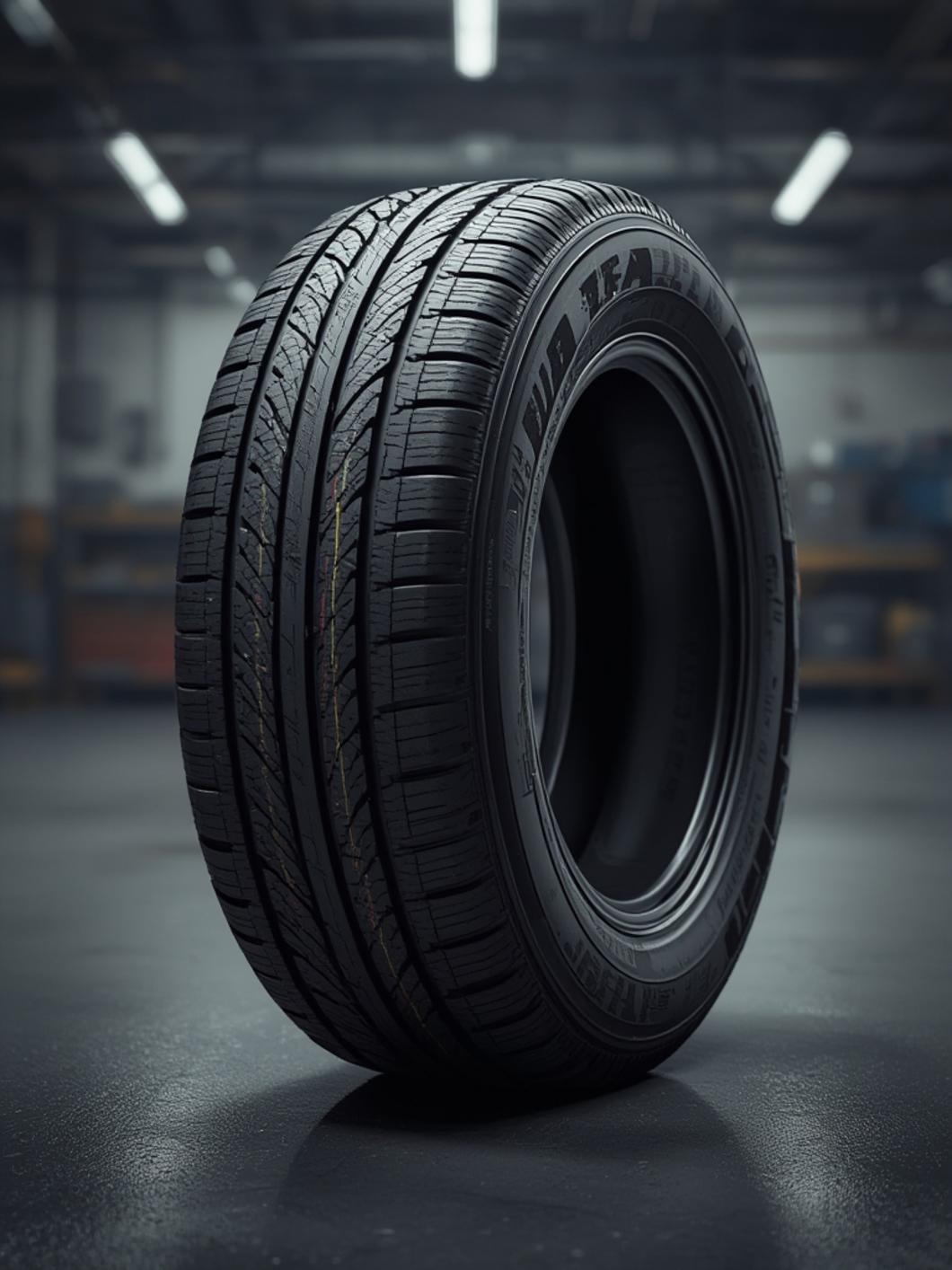
Have you ever found yourself stranded with a flat tire, wondering if you have the right tools to get back on the road? Understanding how to properly use a tire bar and tire iron can be the difference between a quick fix and a lengthy roadside emergency.
Table of Contents
These essential tools help you remove and install tires efficiently while ensuring your safety throughout the process. Mastering proper tire maintenance not only extends the lifespan of your tires but also improves fuel efficiency and prevents costly repairs down the line.
Materials & Supplies
To properly change or maintain your tires, you’ll need the following tools:
1. Tire bar (also known as a lug wrench)
2. Tire iron for leverage
3. Car jack (hydraulic or scissor jack)
4. Jack stands for safety
5. Wheel chocks
6. Work gloves to protect your hands
7. Torque wrench for proper tightening
8. Tire pressure gauge
9. Portable air compressor (optional but recommended)
10. Spare tire in good condition
11. Flashlight for nighttime emergencies
12. Anti-seize lubricant for lug nuts
Timing / Inspection Schedule
Regular tire inspections are crucial for vehicle safety. Check your tires at least once a month and before long trips. Seasonal transitions (spring and fall) are ideal times for comprehensive inspections. A typical tire change takes 15-30 minutes per tire once you’re familiar with the process.
For routine maintenance:
– Check tire pressure every 2-4 weeks
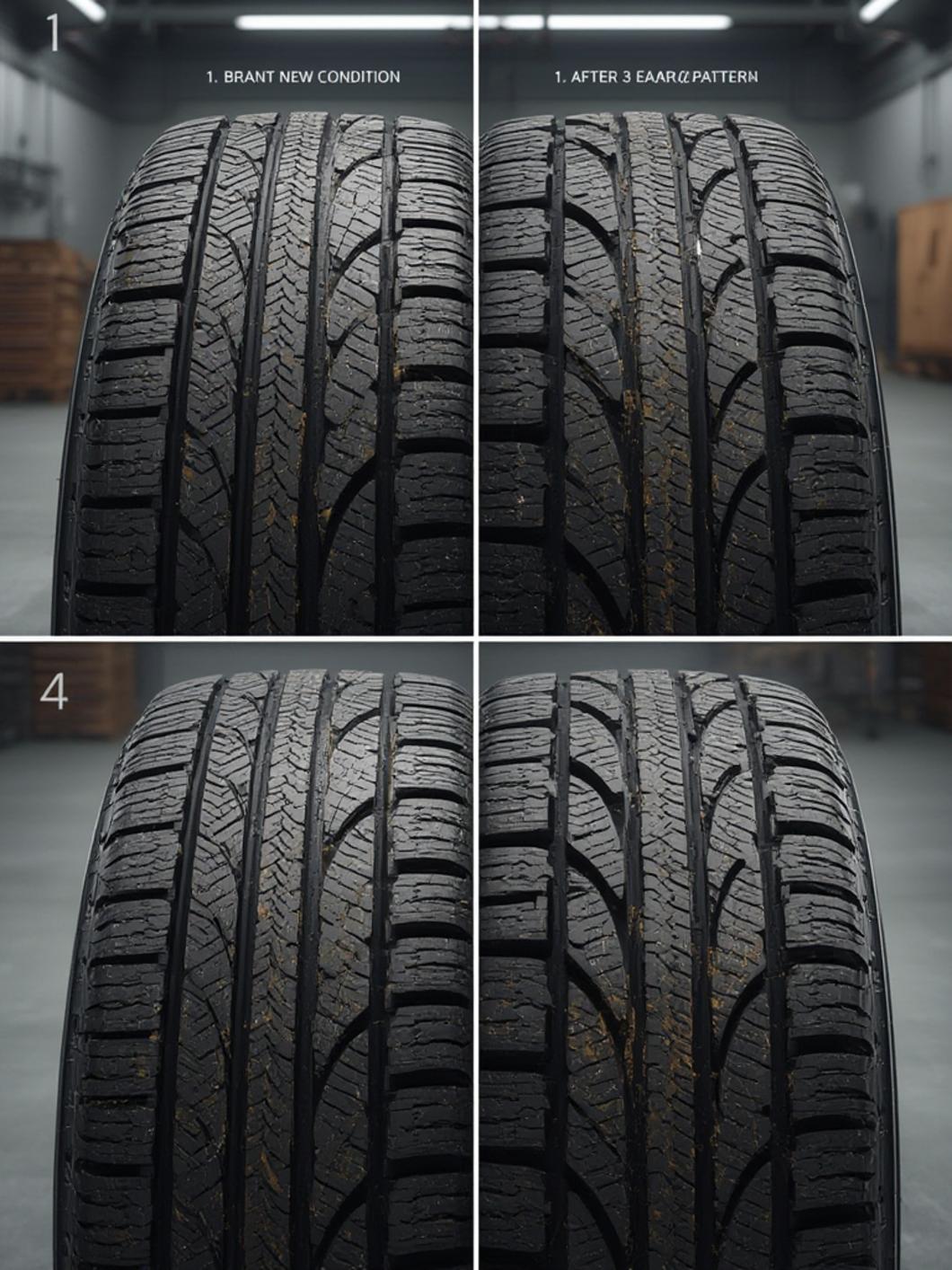
– Inspect tread depth quarterly
– Rotate tires every 5,000-7,000 miles
– Replace tires when tread depth reaches 2/32 inch or after 6 years, regardless of wear
Step-by-Step Instructions
1. Prepare your vehicle
– Park on a flat, solid surface
– Engage the parking brake
– Place wheel chocks on the opposite side of the tire you’re changing
2. Loosen the lug nuts
– Use your tire bar to break the initial tension while the wheel is still on the ground
– Turn counterclockwise, but don’t remove them completely
3. Jack up your vehicle
– Locate the proper jacking point (consult your owner’s manual)
– Raise the vehicle until the tire is about 6 inches off the ground
4. Place jack stands
– Position jack stands under appropriate support points
– Slowly lower the vehicle onto the stands for safety
5. Remove the lug nuts and tire
– Finish removing lug nuts by hand
– Pull the wheel straight toward you to remove it
6. Install the new tire
– Align the wheel with the lug bolts
– Hand-tighten the lug nuts in a star pattern
7. Lower the vehicle
– Carefully remove jack stands and lower the vehicle
– Use your tire iron for extra leverage when tightening the lug nuts fully
– Tighten in a star pattern to ensure even pressure
8. Check torque specifications
– Use a torque wrench to tighten to manufacturer’s specifications
– Recheck after driving 50-100 miles
Benefits / Advantages
Proper tire maintenance and changes provide numerous benefits:
– Improved vehicle handling and stability
– Enhanced fuel economy (up to 3% better mileage)
– Extended tire life, saving hundreds of dollars annually
– Reduced risk of blowouts and accidents
– Increased confidence during emergency situations
– Better traction in adverse weather conditions
Tips, Alternative Methods, or Driving Advice
– Keep your tire changing tools organized in a dedicated kit
– Practice changing a tire before an emergency occurs
– Consider upgrading to a breaker bar for stubborn lug nuts
– Use a rubber mallet to gently dislodge stuck wheels
– In extremely cold weather, warm up your vehicle before attempting to change tires
– Consider roadside assistance services as backup for difficult situations
– For RVs or heavier vehicles, specialized heavy-duty tools may be required
Common Mistakes to Avoid
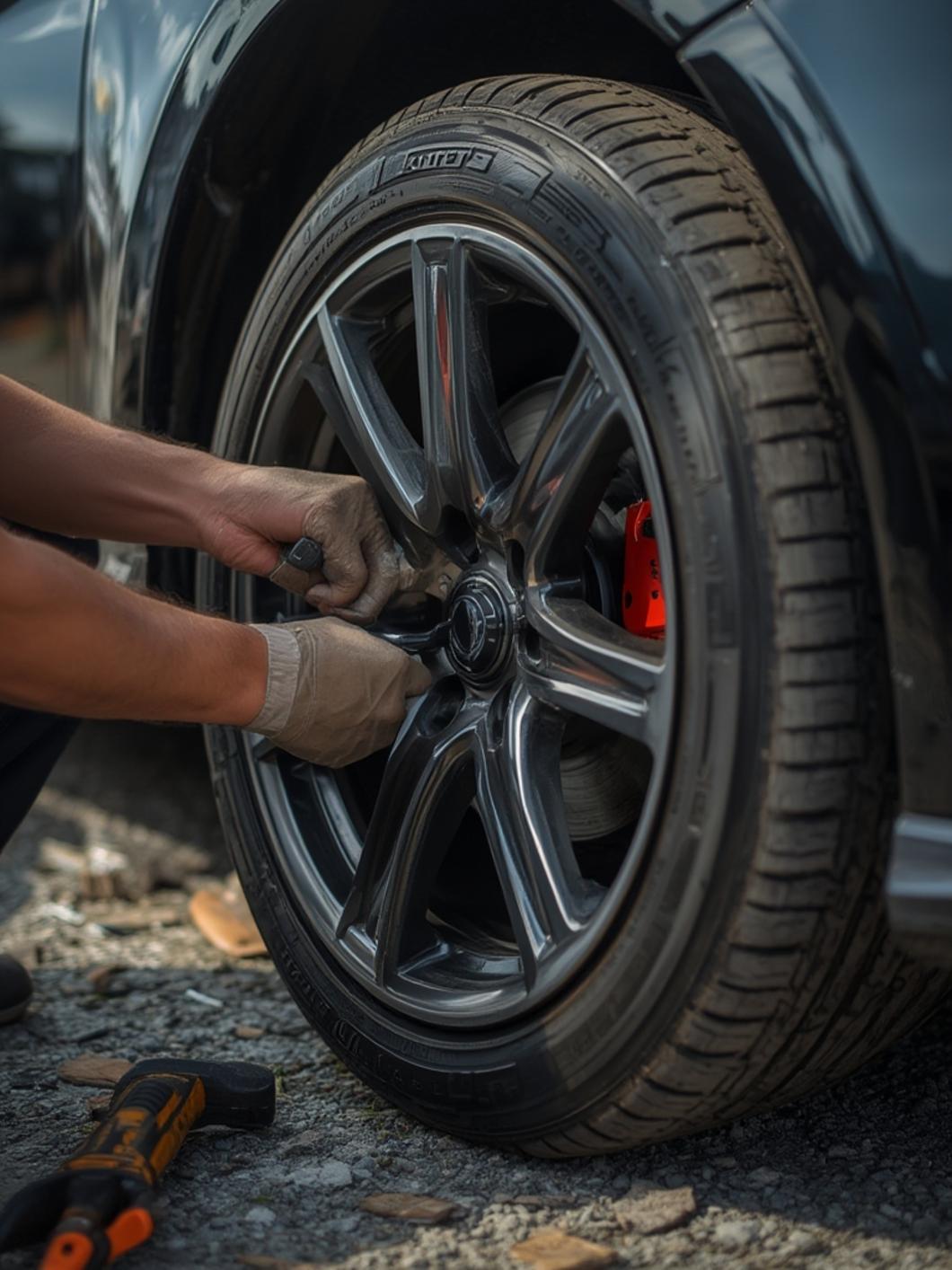
– Failing to loosen lug nuts before jacking up the vehicle
– Not using jack stands (extremely dangerous)
– Over or under-tightening lug nuts
– Working on uneven or soft surfaces
– Neglecting to check spare tire pressure regularly
– Using the wrong jacking points (can damage vehicle)
– Forgetting to retorque lug nuts after driving
Storage / Maintenance Tips
Store your tire-changing tools in your vehicle trunk or cargo area in a weather-resistant container. Clean and lightly oil metal tools to prevent rust. For seasonal tire storage:
– Clean tires thoroughly before storage
– Store in a cool, dry place away from direct sunlight
– Keep tires in opaque bags to prevent UV damage
– Store vertically or stacked (never hanging)
– Maintain proper inflation even during storage
Conclusion
Being proficient with a tire bar and tire iron is an essential skill for any driver. These simple tools, when used correctly, can save you time, money, and stress during tire emergencies. By following the steps outlined above and maintaining regular tire inspections, you’ll ensure safer driving conditions and maximize the lifespan of your tires. Remember that proper tire maintenance isn’t just about convenience—it’s about safety for you and everyone sharing the road with you. Share your tire changing experiences or questions in the comments below!
FAQs
What’s the difference between a tire bar and a tire iron?
A tire bar typically refers to a lug wrench with a crossbar design, while a tire iron usually has an L-shape and provides additional leverage. Both serve the purpose of removing lug nuts, but many professionals prefer using both tools together for maximum efficiency.
How do I know when my tires need replacing?
Check tread depth using the penny test (insert a penny with Lincoln’s head upside down; if you can see all of Lincoln’s head, the tread is too worn). Also look for sidewall cracks, bulges, or uneven wear patterns, which indicate it’s time for replacement.
Can I use a portable air compressor instead of a spare tire?
For small punctures, a portable compressor with tire sealant might work temporarily, but it’s not a substitute for a proper spare tire. These solutions should only be used to get you to a repair shop, not as a permanent fix.
What torque specifications should I use for my lug nuts?
Torque specifications vary by vehicle. Typically, passenger cars require 80-100 ft-lbs, while trucks and SUVs often need 100-150 ft-lbs. Always consult your vehicle’s owner manual for the correct specifications.
Is it safe to use a tire bar with an extension pipe for extra leverage?
While this technique (sometimes called “cheater pipe”) can provide additional leverage for extremely tight lug nuts, it risks overtightening or damaging components. Use with extreme caution and never exceed the tool’s rated capacity.