
Top rated for how many miles do tires last? 50,000
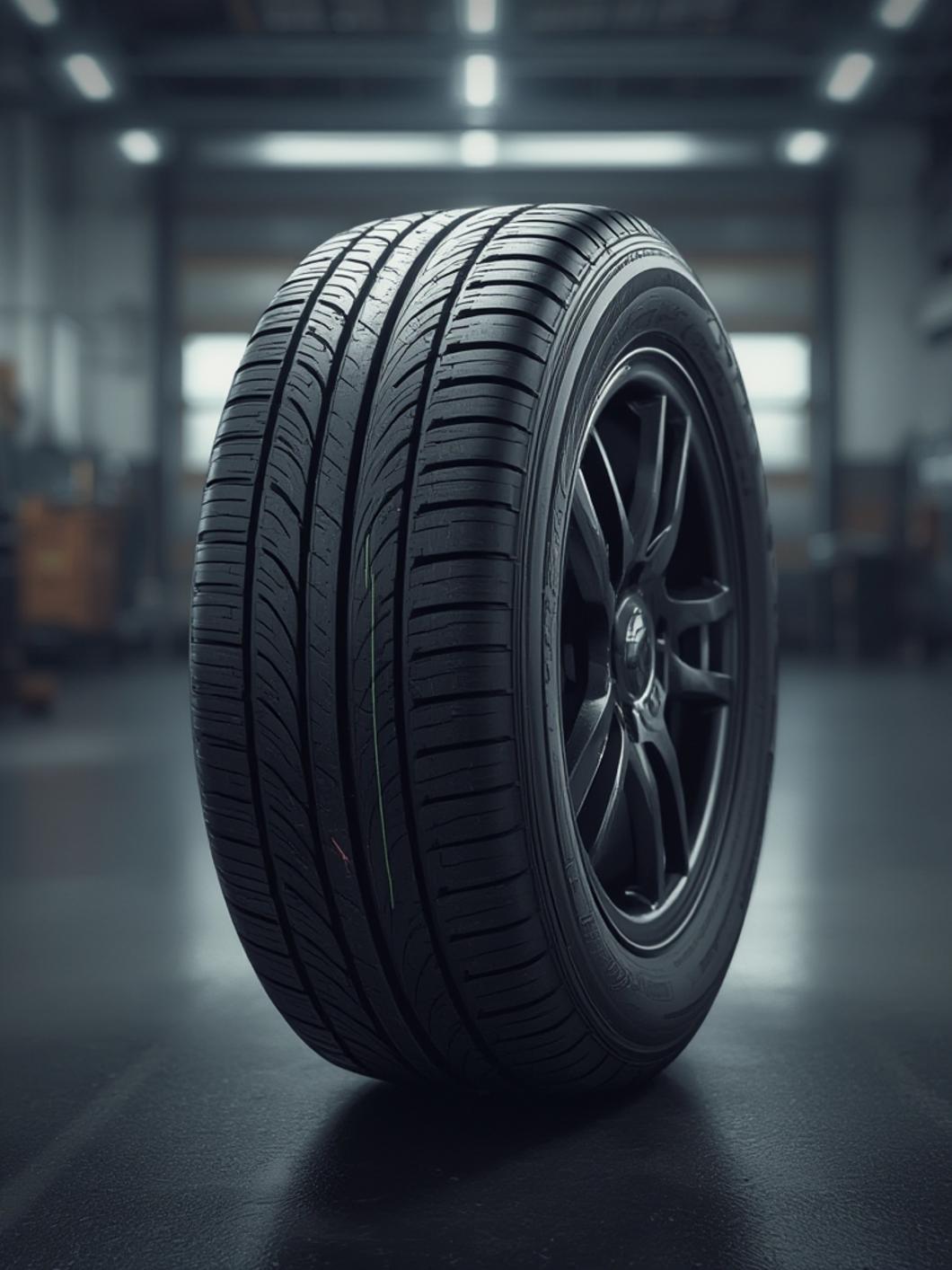
Have you ever found yourself wondering just how long those rubber companions on your vehicle should actually last? Understanding how many miles do tires last is crucial for every vehicle owner concerned about safety and budget management.
Table of Contents
Most drivers are surprised to learn that proper maintenance can significantly extend tire lifespan, potentially saving hundreds of dollars while ensuring optimal performance on the road. With regular care and attention, you can maximize the durability of your tires and avoid unexpected blowouts or replacements.
Materials & Supplies
To properly maintain your tires at home, you’ll need these essential tools:
1. Tire pressure gauge – Digital versions offer precise readings for accurate inflation
2. Portable air compressor – For convenient at-home pressure adjustments
3. Tread depth gauge – To monitor wear patterns and remaining tread life
4. Jack and jack stands – For safe tire rotation and inspection
5. Torque wrench – Ensures proper lug nut tightening to manufacturer specifications
6. Tire cleaning solution – Specially formulated to protect rubber compounds
7. Microfiber cloths – For gentle cleaning without scratching or damaging tire sidewalls
8. Tire shine product (optional) – Protects against UV damage and prevents cracking
9. Chalk (optional) – For marking tires during rotation or tracking wear patterns
Timing / Inspection Schedule
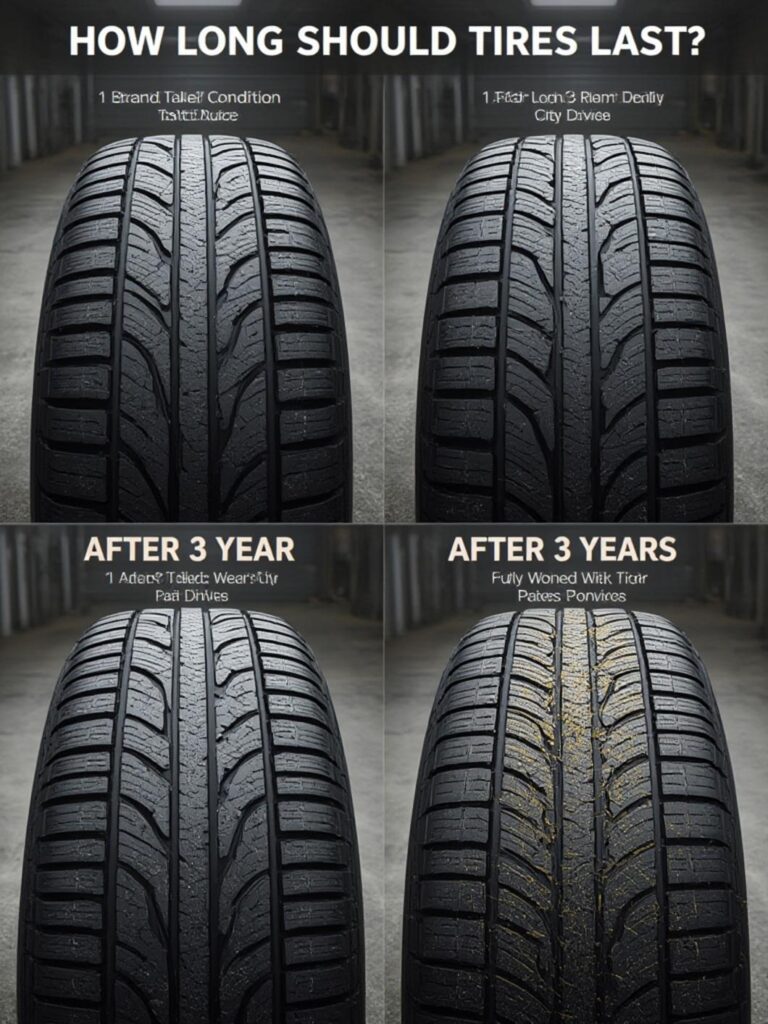
Regular tire inspections should become second nature for responsible vehicle owners. As a general rule:
- Monthly pressure checks – Air pressure can drop approximately 1 PSI per month naturally
- Quarterly tread inspections – Using the penny test or a proper gauge
- Bi-annual professional inspections – Spring and fall are ideal transition points
- Rotation every 5,000-8,000 miles – Prevents uneven wear patterns
- Alignment check annually – Or whenever you notice pulling/vibration
Seasonal changes demand extra attention, as temperature fluctuations significantly impact tire pressure. For every 10°F change in temperature, tire pressure changes by about 1 PSI—underscoring the importance of regular monitoring throughout the year.
Step-by-Step Instructions
1. Check tire pressure monthly
* Measure when tires are cold for accurate readings
* Compare with manufacturer recommendations (found in vehicle doorjamb or manual)
* Adjust to proper levels, never exceeding maximum sidewall PSI
2. Inspect tread depth regularly
* Use a proper gauge or the penny test (insert Lincoln’s head—if you can see the top of his head, tires need replacement)
* Look for even wear across the entire tread surface
* Address any unusual wear patterns immediately
3. Rotate tires according to schedule
* Follow your vehicle’s recommended rotation pattern
* Consider how many miles do tires last in your specific driving conditions—city drivers may need more frequent rotations
4. Balance and align as needed
* Watch for vibrations or pulling, indicating balance issues
* Professional alignment extends tire lifespan by ensuring even contact with road surfaces
5. Maintain proper driving habits
* Avoid hard braking and aggressive cornering
* Steer clear of road hazards and potholes when safely possible
Benefits / Advantages
Proper tire maintenance delivers numerous benefits beyond mere longevity:
- Enhanced safety – Well-maintained tires provide better traction and shorter stopping distances
- Improved fuel efficiency – Properly inflated tires reduce rolling resistance, saving up to 3% on fuel costs
- Reduced environmental impact – Extended tire life means fewer discarded tires in landfills
- Better handling and comfort – Properly maintained tires provide smoother rides and more predictable handling
- Lower long-term costs – Prevention is always cheaper than replacement
Tips, Alternative Methods, or Driving Advice
Consider these specialized approaches for different circumstances:
- All-season vs. seasonal tire swaps – In extreme climates, dedicated winter tires can protect your all-season set
- Tire pressure monitoring systems (TPMS) – Consider aftermarket systems if your vehicle lacks this technology
- Nitrogen inflation – Provides more stable pressure across temperature changes (though benefits are minimal for average drivers)
- Tire covers – For vehicles stored outdoors, UV protection extends sidewall life significantly
- Speed rating considerations – Match your driving style with appropriate tire ratings for optimal longevity
Common Mistakes to Avoid
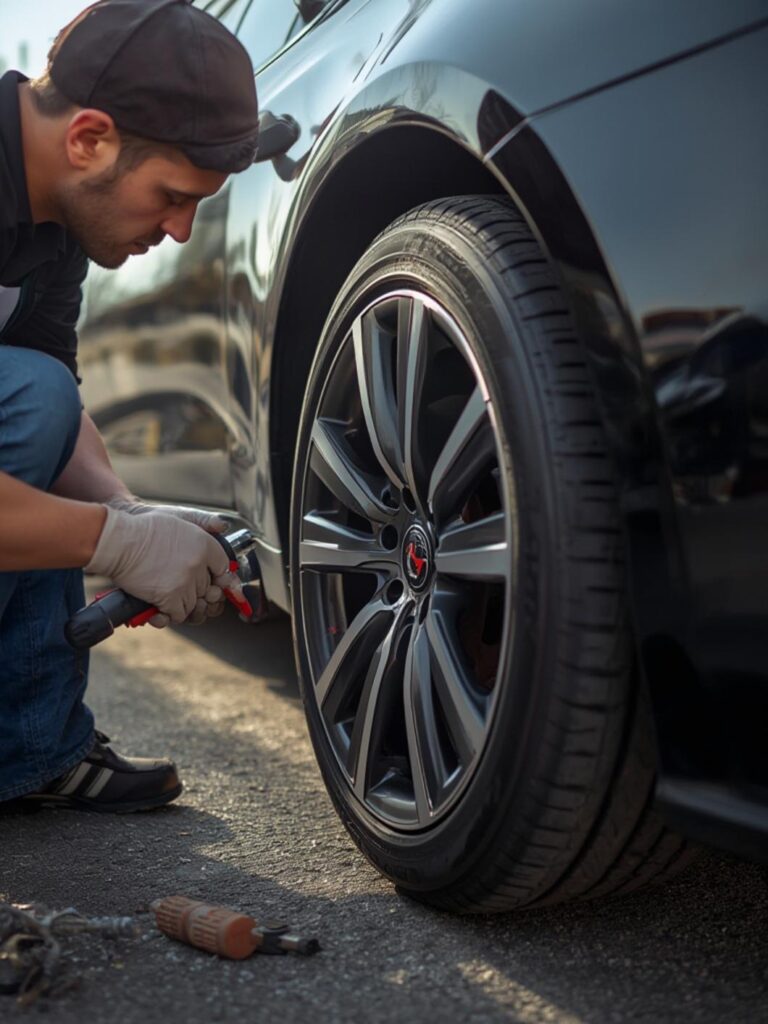
1. Ignoring pressure specifications – Under or over-inflation causes premature wear
2. Skipping rotations – Creates uneven wear patterns that can’t be corrected
3. Mismatched tires – Different brands/models on the same vehicle compromise handling
4. Using improper cleaning products – Petroleum-based cleaners damage rubber compounds
5. Neglecting alignment issues – Even minor misalignment dramatically reduces tire life
Storage / Maintenance Tips
If storing tires seasonally:
- Clean thoroughly before storage
- Keep in cool, dry locations away from direct sunlight
- Store vertically or suspended to prevent flat spots
- Consider tire bags to prevent rubber oxidation
- Maintain minimal inflation even during storage
Conclusion
Understanding how many miles do tires last empowers you to make informed decisions about maintenance and replacement. While most quality tires can deliver 40,000-75,000 miles of service, your driving habits and maintenance routine ultimately determine their actual longevity. By implementing these care strategies, you can maximize tire lifespan while ensuring safety for yourself and your passengers. Take the time today to check your tires’ condition—your safety and wallet will thank you. Share your own tire maintenance experiences in the comments below!
FAQs
Q: How often should I replace my tires even if they look fine?
A: Most manufacturers recommend replacement every 6-10 years regardless of tread condition, as rubber compounds degrade over time even with minimal use.
Q: Does driving style really impact tire longevity?
A: Absolutely. Aggressive acceleration, hard braking, and fast cornering can reduce tire life by up to 30% compared to moderate driving habits.
Q: Are more expensive tires worth the investment?
A: Premium tires typically offer better longevity, performance, and safety features that justify their higher price through extended service life and enhanced driving characteristics.
Q: How do I know if I need an alignment?
A: Watch for uneven tire wear, vehicle pulling to one side, steering wheel vibration, or if your steering wheel isn’t centered when driving straight.
Q: Can I mix different brands of tires on my vehicle?
A: While possible, it’s not recommended. Different tires have varying handling characteristics that can compromise stability, especially in emergency maneuvers or adverse conditions.