
Best price for how to change a tire 5 minutes

Ever found yourself stranded on the roadside with a flat tire and no idea what to do next? Understanding how to change a tire and mastering basic tire replacement steps are essential skills for every driver. Regular tire maintenance not only extends your tires’ lifespan but significantly enhances your safety on the road.
Table of Contents
With proper care, you can improve fuel efficiency, ensure better handling in various weather conditions, and avoid costly premature replacements. This comprehensive guide will walk you through everything you need to know about maintaining your car tires at home.
Materials & Supplies
To properly maintain your tires at home, you’ll need:
1. Tire pressure gauge – For accurate pressure readings
2. Portable air compressor – To inflate tires to the recommended PSI
3. Lug wrench – Essential for removing wheel nuts during tire changes
4. Car jack and jack stands – For safely elevating your vehicle
5. Torque wrench – Ensures lug nuts are tightened to manufacturer specifications
6. Tread depth gauge – Monitors tread wear
7. Safety gloves – Protects hands during maintenance
8. Tire repair kit – For temporary fixes to small punctures
9. Wheel chocks – Prevents vehicle from rolling during maintenance
10. Flashlight – Helps with inspections in low-light conditions
11. Valve stem caps – Protects valve stems from dirt and moisture
Timing / Inspection Schedule
For optimal tire performance and safety, follow these inspection intervals:
- Monthly tire pressure checks – Always test when tires are cold
- Tire rotation every 5,000-8,000 miles (or as recommended by manufacturer)
- Alignment check every 6 months or when experiencing pulling/vibration
- Seasonal inspections before extreme weather changes
- Tread depth check every 3 months (minimum legal depth is 2/32″)
- Complete tire inspection after hitting potholes or curbs
- Annual professional inspection even if no issues are apparent
Early spring and late fall are ideal times for comprehensive tire inspections, allowing you to prepare for seasonal driving conditions.
Step-by-Step Instructions
1. Check Tire Pressure
* Test when tires are cold (not driven for at least 3 hours)
* Remove valve cap and press gauge firmly onto valve stem
* Compare reading to manufacturer’s recommendation (found on driver’s door jamb)
* Add or release air as needed
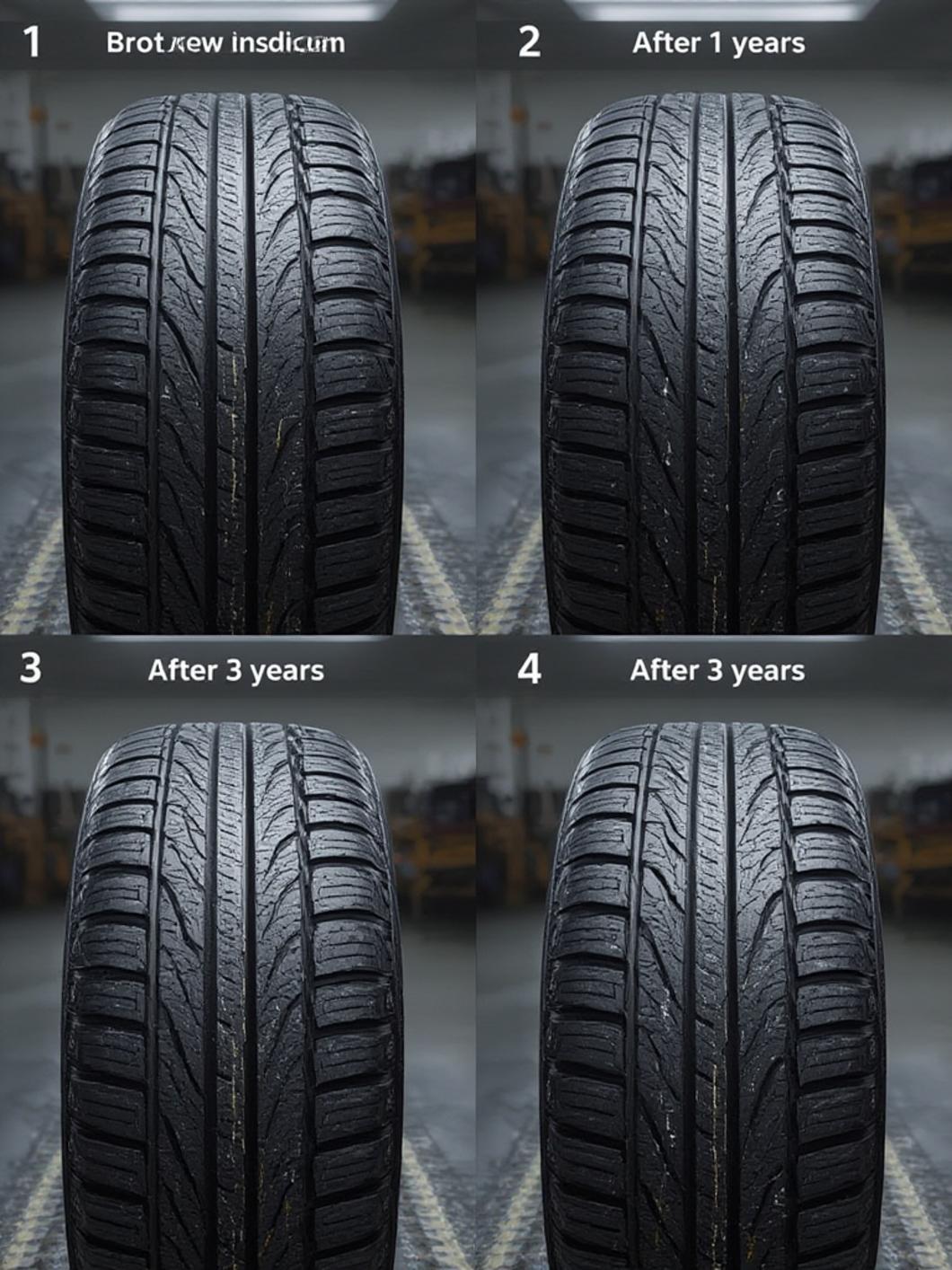
2. Inspect Tread Wear
* Use the penny test: Insert a penny with Lincoln’s head upside down into tread
* If you can see the top of Lincoln’s head, it’s time for replacement
* Check for uneven wear patterns that might indicate alignment issues
3. Perform Visual Inspection
* Look for cuts, bulges, cracks, or embedded objects
* Check sidewalls for damage or discoloration
* Inspect valve stems for cracks or damage
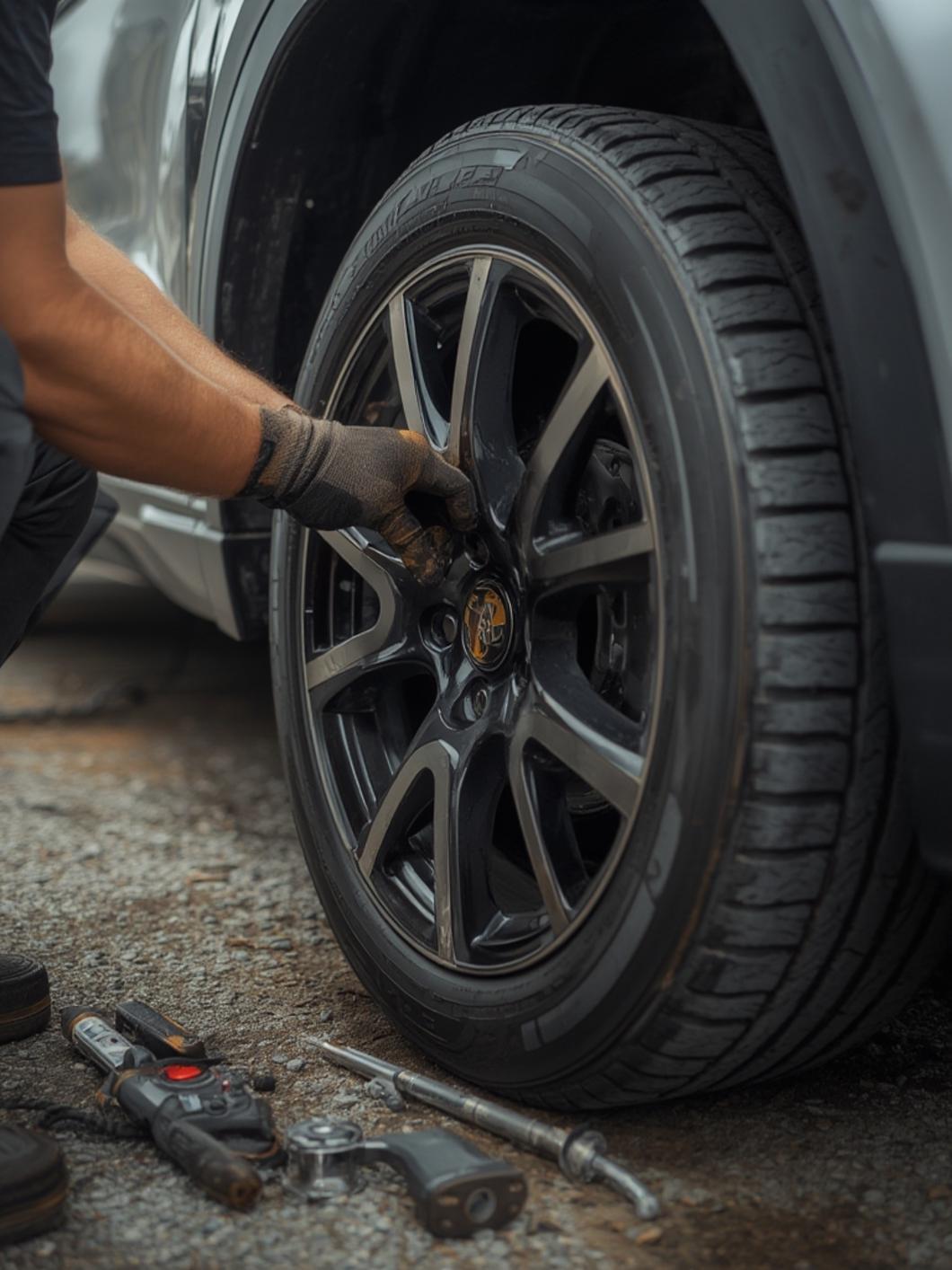
4. Learn how to change a tire properly
* Park on flat surface and engage emergency brake
* Loosen lug nuts before jacking (but don’t remove yet)
* Position jack under manufacturer-recommended lift points
* Raise vehicle until tire is off ground
* Complete tire replacement steps by removing lug nuts and tire
* Mount spare tire, hand-tighten lug nuts, lower vehicle, then fully tighten in star pattern
Benefits / Advantages
Proper tire maintenance provides numerous benefits:
- Enhanced road safety through better traction and handling
- Up to 3% improvement in fuel economy with correct tire pressure
- Extended tire life, saving up to $600+ per set of tires
- Reduced risk of blowouts and roadside emergencies
- More comfortable ride with less noise and vibration
- Lower environmental impact through reduced tire waste
- Maintained vehicle warranty requirements
Tips, Alternative Methods, or Driving Advice
- Consider nitrogen inflation for more stable pressure in varying temperatures
- Use tire sealant products for emergency temporary repairs
- Install winter tires when temperatures consistently drop below 45°F
- For all-season tires, rotate front-to-back if tires are directional, or cross-pattern if non-directional
- Maintain different pressure for heavy loads or long highway trips (check manual)
- Store seasonal tires flat or vertically, never hanging
- Consider tire pressure monitoring systems for real-time alerts
Common Mistakes to Avoid
1. Overinflating or underinflating tires
* Solution: Check pressure monthly and follow vehicle specifications
2. Neglecting rotation and alignment
* Solution: Schedule regular rotations and alignment checks
3. Ignoring small punctures or slow leaks
* Solution: Repair minor issues promptly before they worsen
4. Using mismatched tires
* Solution: Replace tires in pairs at minimum, or complete sets ideally
5. Improper torquing of lug nuts
* Solution: Always use a torque wrench to manufacturer specifications
Storage / Maintenance Tips
- Clean tires thoroughly before storage using soap and water
- Store in cool, dry location away from direct sunlight and ozone sources
- Keep away from electric motors that generate ozone
- Place on racks or pallets, not directly on concrete
- Cover with breathable tire covers to prevent cracking and UV damage
- Maintain 10-15 PSI pressure during storage (not full pressure, not flat)
- Mark position on tires before removal to maintain rotation pattern
Conclusion
Mastering how to change a tire and understanding proper tire replacement steps are invaluable skills that enhance your driving safety and save money over time. By implementing regular tire maintenance routines, you’ll enjoy improved vehicle performance, extended tire life, and greater confidence on the road. Take time this weekend to inspect your tires and practice these maintenance techniques – your safety and wallet will thank you. Share your tire maintenance experiences in the comments below, and check out our related guides on wheel alignment and seasonal tire care.
FAQs
How often should I check my tire pressure?
Tire pressure should be checked at least once a month and before long trips. Always check when tires are cold for accurate readings.
What’s the ideal tire pressure for my vehicle?
The ideal pressure is specified by your vehicle manufacturer, not the maximum PSI listed on the tire. Find this information on the driver’s side door jamb sticker or in your owner’s manual.
Can I mix different tire brands on my vehicle?
While not ideal, you can mix brands in an emergency. However, tires on the same axle should always be identical in size, brand, and tread pattern to maintain proper handling.
How can I tell if I need wheel alignment?
Signs include uneven tire wear, vehicle pulling to one side, steering wheel not centered when driving straight, or vibration while driving.
Is it worth investing in premium tires?
Premium tires typically offer better traction, fuel efficiency, and longevity. While the upfront cost is higher, the extended lifespan and improved performance often provide better value over time.