
Top rated 7 ways for changing a tire quickly

Have you ever found yourself stranded on the roadside with a flat tire and no help in sight? Learning the essential skill of changing a tire can save you time, money, and stress in emergency situations.
Table of Contents
While professional assistance is always an option, knowing how to perform a flat tire repair yourself empowers you to handle unexpected situations confidently. This guide will walk you through everything you need to know about changing your vehicle’s tire safely and efficiently.
Materials & Supplies
To be prepared for changing a tire, gather these essential tools:
1. Spare tire – Ensure it’s properly inflated and in good condition
2. Car jack – Vehicle-specific jack that came with your car
3. Lug wrench – To remove and tighten the lug nuts
4. Wheel chocks – To prevent the vehicle from rolling
5. Flashlight – Essential for nighttime emergencies
6. Gloves – To protect your hands from dirt and sharp edges
7. Tire pressure gauge – To check the spare tire’s pressure
8. Reflective triangles or flares – For roadside safety
9. Flat tire repair kit – For temporary fixes (optional)
10. Owner’s manual – Contains vehicle-specific information
Timing / Inspection Schedule
Regularly inspect your tires every month or before long trips. Check for:
– Proper inflation (check when tires are cold)
– Visible damage or foreign objects
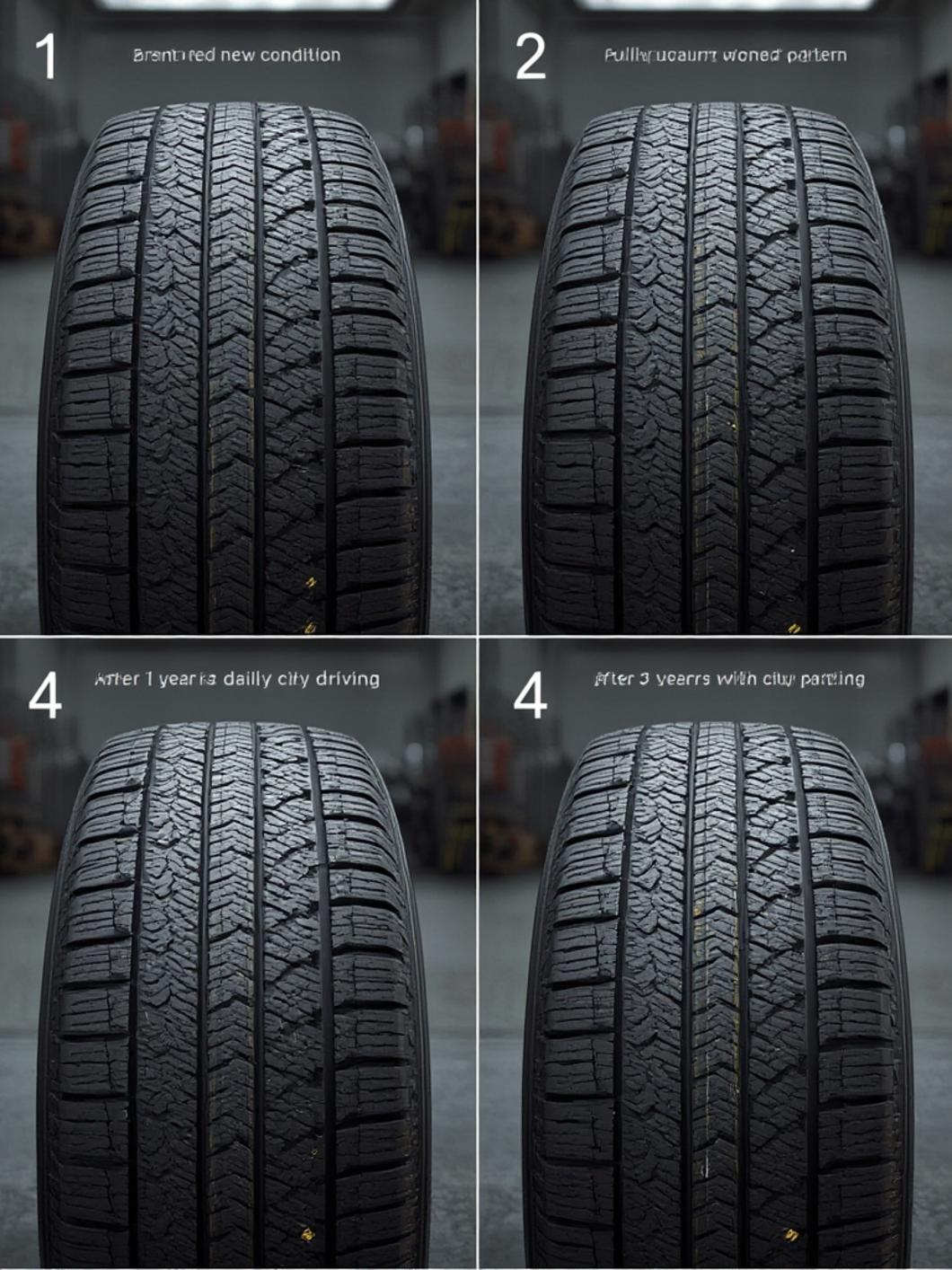
– Tread depth (use the penny test – Lincoln’s head should be partially covered)
– Unusual wear patterns (may indicate alignment issues)
A complete tire change typically takes 15-30 minutes for beginners and as little as 10 minutes for experienced individuals. The time investment for learning this skill pays dividends in emergency situations when roadside assistance might be delayed or unavailable.
Step-by-Step Instructions
1. Find a safe location
– Pull completely off the road on flat, stable ground
– Turn on hazard lights and apply the parking brake
2. Prepare your vehicle
– Place wheel chocks on the opposite side of the flat tire
– Remove the hubcap or wheel cover if necessary
– Slightly loosen the lug nuts before jacking (don’t remove yet)
3. Position the jack
– Locate the proper jacking points specified in your owner’s manual
– Place the jack securely under the vehicle
4. Raise the vehicle
– Jack up the vehicle until the flat tire is about 6 inches off the ground
– Never place any part of your body underneath the raised vehicle
5. Remove the flat tire
– Completely remove the lug nuts and keep them together
– Carefully pull the tire straight toward you to remove it
– Place it flat on the ground beside you
6. Install the spare tire
– Align the spare with the wheel bolts and push it into place
– Hand-tighten the lug nuts in a star pattern
7. Lower the vehicle
– Carefully lower the vehicle until the spare tire touches the ground
– Use the lug wrench to fully tighten the lug nuts in a star pattern
– Lower the vehicle completely and remove the jack
8. Final checks
– Ensure all tools and the flat tire repair materials are stored properly
– Check the spare tire’s pressure when possible
Remember that changing a tire is a temporary solution. Temporary spares (“donuts”) are not designed for extended use or high speeds.
Benefits / Advantages
Mastering tire changing offers numerous benefits:
– Independence from roadside assistance services
– Significant cost savings on service calls
– Reduced downtime during emergencies
– Increased confidence in handling vehicle issues
– Better preparedness for remote driving situations
– Knowledge transferable to help others in need
Tips, Alternative Methods, or Driving Advice
– Practice changing a tire in your driveway before an emergency occurs
– Consider investing in run-flat tires for newer vehicles
– For temporary solutions, tire sealant products can help in minor punctures
– Drive slowly (under 50 mph) and cautiously on a spare tire
– Consider roadside assistance memberships as backup
– In extreme weather, calling for professional help may be safer
Common Mistakes to Avoid
1. Not fully tightening lug nuts
– Always use a star pattern and check tightness after driving a short distance
2. Improper jack placement
– Incorrect positioning can damage your vehicle or cause the jack to slip
3. Working on unsafe terrain
– Avoid changing tires on soft shoulders or inclines
4. Forgetting to engage the parking brake
– This critical safety step prevents the vehicle from rolling
5. Using a damaged spare tire
– Regularly inspect your spare for proper inflation and condition
Storage / Maintenance Tips
– Store your spare tire according to manufacturer recommendations
– Keep all tire-changing tools together in your vehicle
– Check spare tire pressure monthly along with your regular tires
– Replace temporary spares according to manufacturer guidelines
– Clean tools after use to prevent rust and deterioration
– Consider a tire repair kit for temporary emergency repairs
Conclusion
Being able to perform a flat tire repair and mastering the art of changing a tire is an invaluable skill for any driver. While it might seem intimidating at first, following these steps will help you handle this common roadside emergency with confidence. Remember that safety always comes first—if you’re in a dangerous location or uncertain about any aspect of tire changing, don’t hesitate to call for professional assistance. Take time to practice these skills in a safe environment so you’ll be prepared when a real emergency occurs.
FAQs
How long can I drive on a spare tire?
Temporary spare tires (“donuts”) should not be driven for more than 50-70 miles or at speeds exceeding 50 mph. Full-size spares can be used like regular tires but should be inspected by a professional soon after installation.
Can I repair a tire myself instead of changing it?
For small punctures in the tread area, temporary repair kits can work in emergencies. However, professional repair is recommended for safety, as DIY repairs should be considered temporary solutions.
What if I don’t have enough strength to loosen the lug nuts?
Try using your body weight by standing on the lug wrench (while it’s horizontal) or use a pipe extension over the wrench handle for additional leverage. Never use power tools without proper torque settings.
How often should I check my spare tire?
Inspect your spare tire monthly when checking your regular tires. Ensure it maintains proper pressure and shows no signs of damage or deterioration.
Is it worth investing in run-flat tires?
Run-flat tires allow you to continue driving for about 50 miles after a puncture, eliminating the need for immediate roadside changes. While more expensive, they offer convenience and safety benefits for those who prioritize these features.