
How to choose a tire pressure light for 2026 modelsBest price for tire pressure light
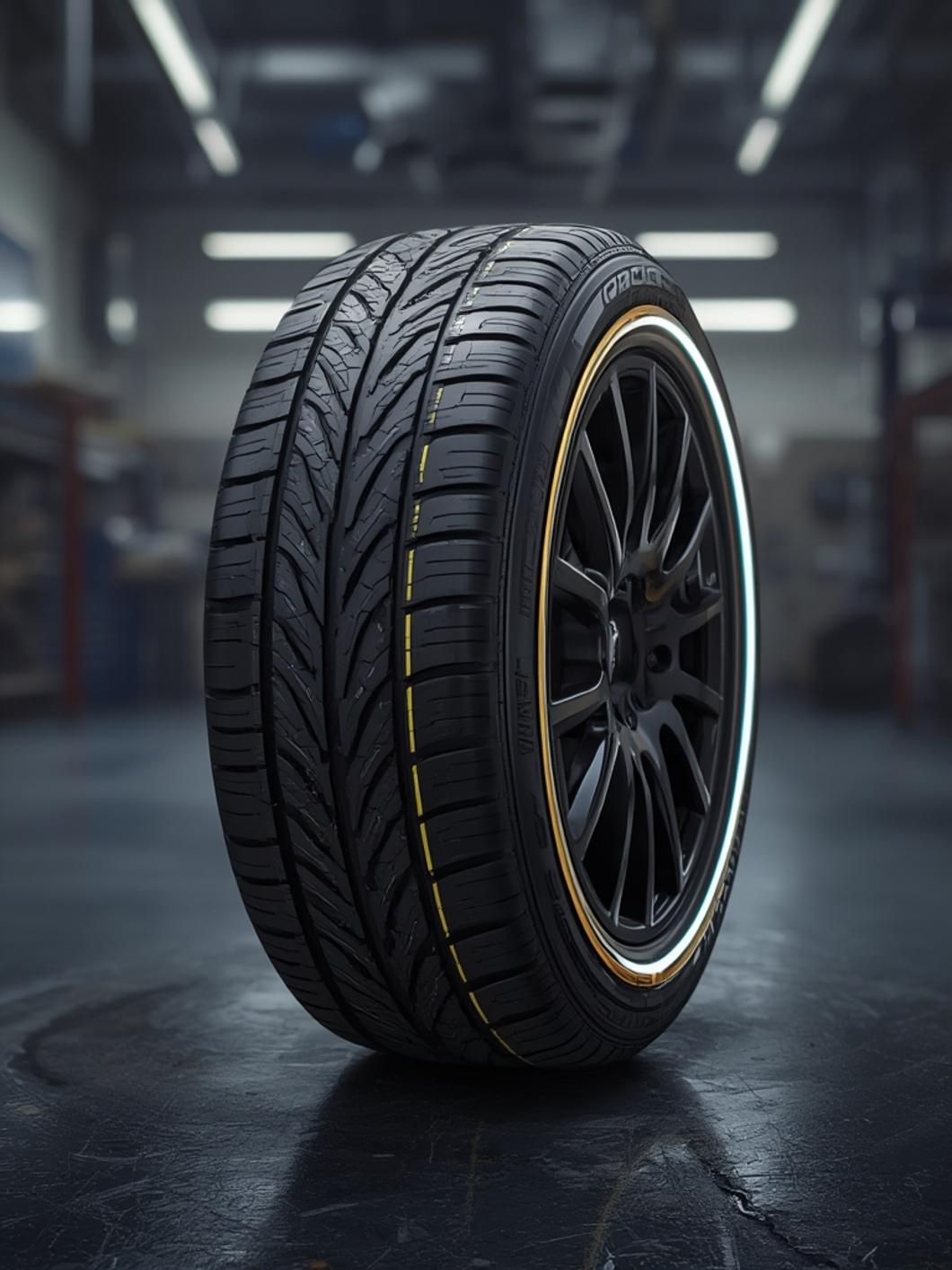
Have you ever been cruising down the highway when that dreaded yellow tire pressure light suddenly illuminates on your dashboard? This warning light is part of your vehicle’s TPMS (Tire Pressure Monitoring System), designed to alert you when one or more tires are significantly underinflated.
Table of Contents
Many drivers panic when they see this indicator, but resetting the tire pressure light is something you can often handle yourself with the right knowledge. Understanding how to properly address and reset this warning is crucial for maintaining optimal tire performance and ensuring your safety on the road.
Materials & Supplies
To successfully reset your tire pressure light, you’ll need several tools:
1. Tire Pressure Gauge: An accurate digital or dial gauge to check your current PSI levels.
2. Air Compressor: Either a portable one or access to an air station at a gas station.
3. Owner’s Manual: Contains vehicle-specific information about your TPMS system.
4. TPMS Reset Tool: For some vehicles that require electronic resetting (optional).
5. Valve Stem Caps: To replace any missing ones after checking pressure.
6. Notepad and Pen: To record pressure readings from each tire.
7. Work Gloves: To keep your hands clean during the process.
Timing / Inspection Schedule

You should check your tire pressure at least once a month and before long trips. The best time to check is when tires are “cold” – meaning the vehicle hasn’t been driven for at least three hours. Temperature changes significantly affect tire pressure, with pressure typically dropping about 1 PSI for every 10°F decrease in temperature. This explains why the tire pressure light often appears during the first cold snap of fall or winter.
Most modern vehicles will display the tire pressure warning when any tire drops about 25% below the recommended pressure. For a typical passenger vehicle with a recommended pressure of 32 PSI, this means the light will trigger when pressure falls to approximately 24 PSI.
Step-by-Step Instructions
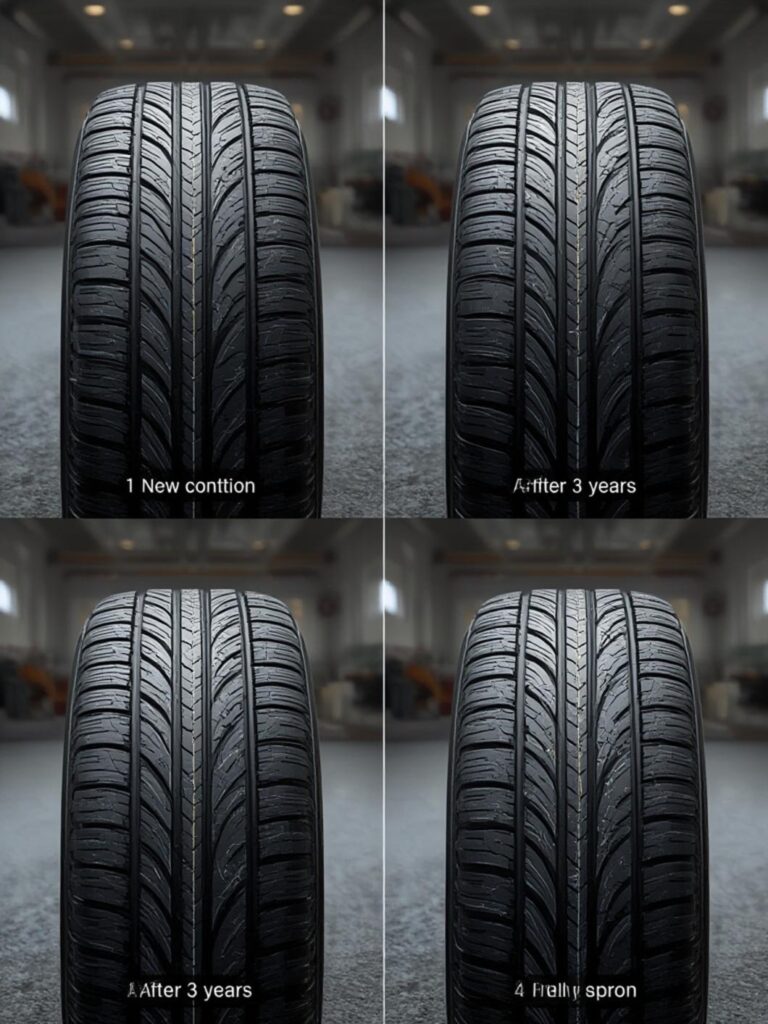
1. Check All Tire Pressures: Use your pressure gauge to check all four tires plus the spare. Compare readings with the recommended pressure listed on the driver’s door jamb sticker (not the maximum PSI on the tire sidewall).
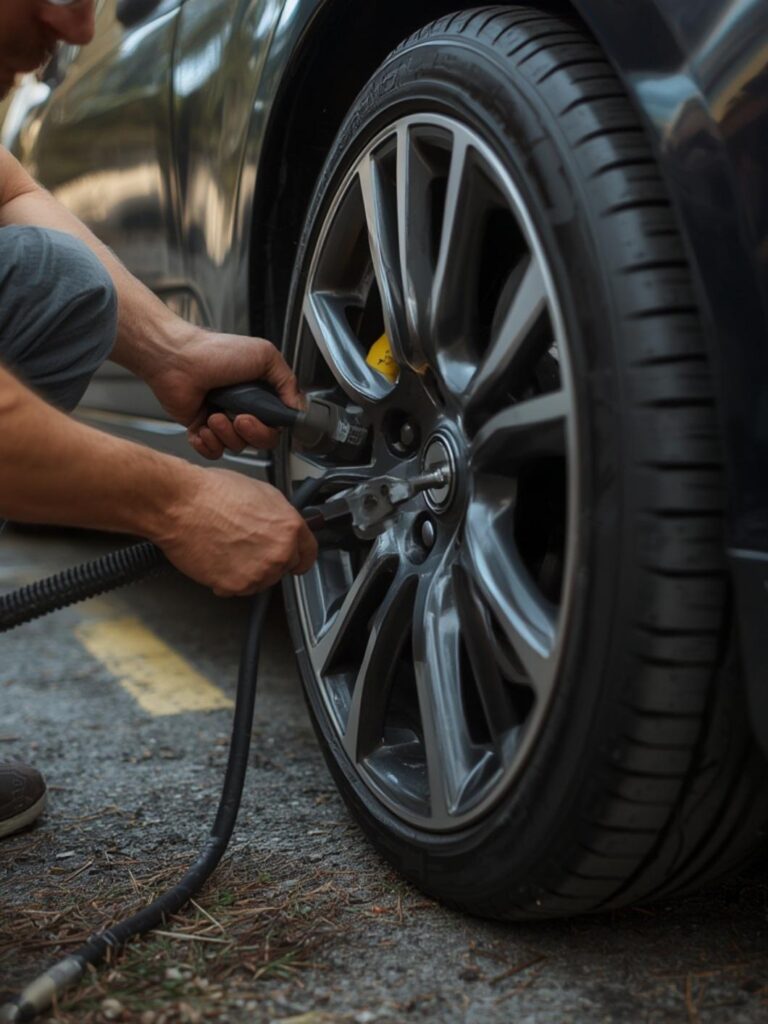
2. Inflate All Tires: Add air to any underinflated tires until they reach the manufacturer’s recommended pressure. Don’t forget to check your spare tire as some vehicles monitor this as well.
3. Drive the Vehicle: In many newer vehicles, simply driving for 10-15 minutes at speeds over 20 mph will automatically reset the tire pressure light once proper pressure is restored. The TPMS sensors will detect the corrected pressure and turn off the warning light.
4. Manual Reset Procedure: If driving doesn’t reset the light, you may need to perform a manual reset:
– Turn the key to the “On” position without starting the engine
– Locate the TPMS reset button (usually under the steering wheel or in the glove compartment)
– Press and hold the button until the tire pressure light blinks three times
– Start the engine and let it run for 20 minutes to allow the system to recalibrate
5. Use the TPMS Tool: For some vehicles, you may need a specialized TPMS tool to communicate with the sensors electronically.
Benefits / Advantages
Properly managing your tire pressure monitoring system offers numerous advantages:
– Improves fuel economy by up to 3%
– Extends tire life by preventing uneven wear
– Enhances vehicle handling and braking performance
– Reduces the risk of blowouts and accidents
– Helps identify slow leaks before they become dangerous
– Ensures optimal vehicle performance in various weather conditions
Tips, Alternative Methods, or Driving Advice
For stubborn TPMS lights, try these alternatives:
– If you’ve recently rotated your tires, you might need to relearn the sensor positions in your vehicle’s computer.
– Some vehicles require driving in a specific pattern (figure-eight) at a certain speed to recalibrate.
– Consider having your sensors checked if the light persists after resetting. The batteries inside TPMS sensors typically last 5-7 years.
– For seasonal tire changes, remember that winter tires need specialized TPMS sensors compatible with your vehicle.
– Always keep a portable air compressor in your vehicle for emergencies.
Common Mistakes to Avoid
– Ignoring the Warning Light: The TPMS light indicates a safety issue that should be addressed immediately.
– Overinflating Tires: Adding too much air can cause center tread wear and a harsh ride.
– Checking Pressure When Tires Are Hot: This gives inaccurate readings; always check when cold.
– Using Incorrect Pressure Values: Follow the vehicle manufacturer’s recommendations, not the maximum PSI on the tire.
– Forgetting Valve Stem Caps: These small caps help prevent air leaks and keep dirt from damaging the valve.
Storage / Maintenance Tips
Proper maintenance of your TPMS system includes:
– Replace TPMS sensor batteries every 5-7 years
– When storing seasonal tires, keep them in a cool, dry place away from sunlight
– Regularly inspect valve stems for cracks or damage
– Clean TPMS sensor areas when washing wheels to prevent corrosion
– Have sensors professionally checked during tire rotations or services
Conclusion
Understanding how to reset your tire pressure light is an essential skill for every driver. By following the steps outlined in this guide, you can effectively manage your vehicle’s TPMS system and ensure your tires are properly inflated at all times. Remember that the tire pressure monitoring system is a safety feature designed to protect you and your passengers – never ignore its warnings. Take proactive steps to maintain proper tire pressure and you’ll enjoy improved fuel economy, extended tire life, and safer driving conditions. Have you successfully reset your tire pressure light using these methods? Share your experience in the comments!
FAQs
Q: Why does my tire pressure light come on when it’s cold outside?
A: Cold temperatures cause tire pressure to drop—typically 1-2 PSI for every 10°F decrease in temperature. When pressure falls below the threshold, the TPMS light activates.
Q: Can I drive with the tire pressure light on?
A: While you can drive short distances, it’s not recommended. The light indicates at least one tire is significantly underinflated, which can lead to poor handling, reduced fuel economy, and potential tire damage.
Q: How accurate are built-in tire pressure monitoring systems?
A: Most TPMS systems are accurate within 1-3 PSI. However, it’s still best practice to verify with a quality pressure gauge periodically.
Q: Do I need to replace TPMS sensors when buying new tires?
A: Not necessarily. TPMS sensors typically last 5-10 years before their batteries fail. However, if you’re experiencing frequent TPMS issues or your sensors are older, replacement might be recommended during tire changes.
Q: Why does my tire pressure light come back on after resetting it?
A: If the light returns, you likely have an ongoing issue such as a slow leak, faulty sensor, or damaged valve stem that needs professional attention.