
Top rated tyre pressure monitor light for 2024
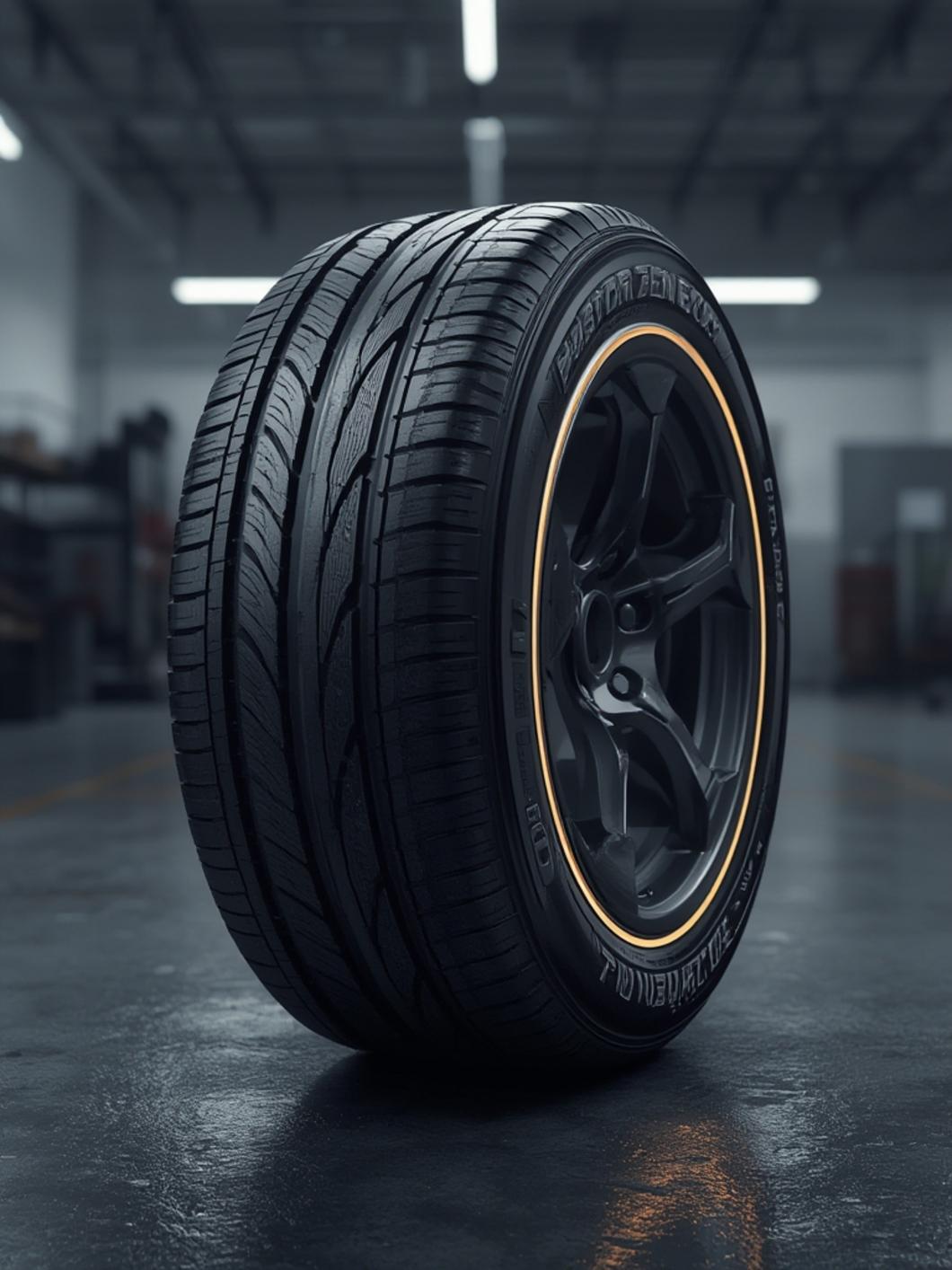
Have you ever been driving and suddenly noticed a glowing yellow symbol on your dashboard that resembles a flat tire with an exclamation mark? That tyre pressure monitor light is your vehicle’s way of alerting you to a potential safety issue with your tire inflation.
Table of Contents
Modern vehicles come equipped with a TPMS (Tire Pressure Monitoring System) that continuously checks your tire pressure levels, ensuring they remain within safe operating ranges. Understanding how to respond when this warning illuminates can save you from dangerous blowouts, improve fuel efficiency, and extend the life of your tires.
Materials & Supplies
To properly respond to and maintain your tire pressure monitoring system, you’ll need:
– Tire pressure gauge (digital or analog)
– Air compressor or access to an air pump
– Owner’s manual for your specific vehicle
– Clean cloth for wiping valve stems
– Valve stem caps (replacements if needed)
– TPMS reset tool (vehicle-specific, optional)
– Valve core tool (for TPMS sensor replacement)
– New TPMS sensors (if replacement is needed)
– Safety gloves to protect your hands
A quality digital tire pressure gauge provides more accurate readings than analog versions, while a portable air compressor allows you to maintain proper pressure anywhere, rather than relying on gas station air pumps.
Timing / Inspection Schedule
You should check your tire pressure at least once a month, regardless of whether the warning light appears. Seasonal changes significantly affect tire pressure – expect a drop of approximately 1 PSI for every 10°F decrease in temperature. Therefore, additional checks are recommended during the transition from summer to fall and from fall to winter.
Most TPMS sensors have batteries that last 5-10 years before requiring replacement. If your vehicle is approaching this age range and you notice intermittent or constant warning lights, it might be time to replace the sensors. Schedule a comprehensive TPMS diagnostic once yearly to ensure all components are functioning properly.
Step-by-Step Instructions
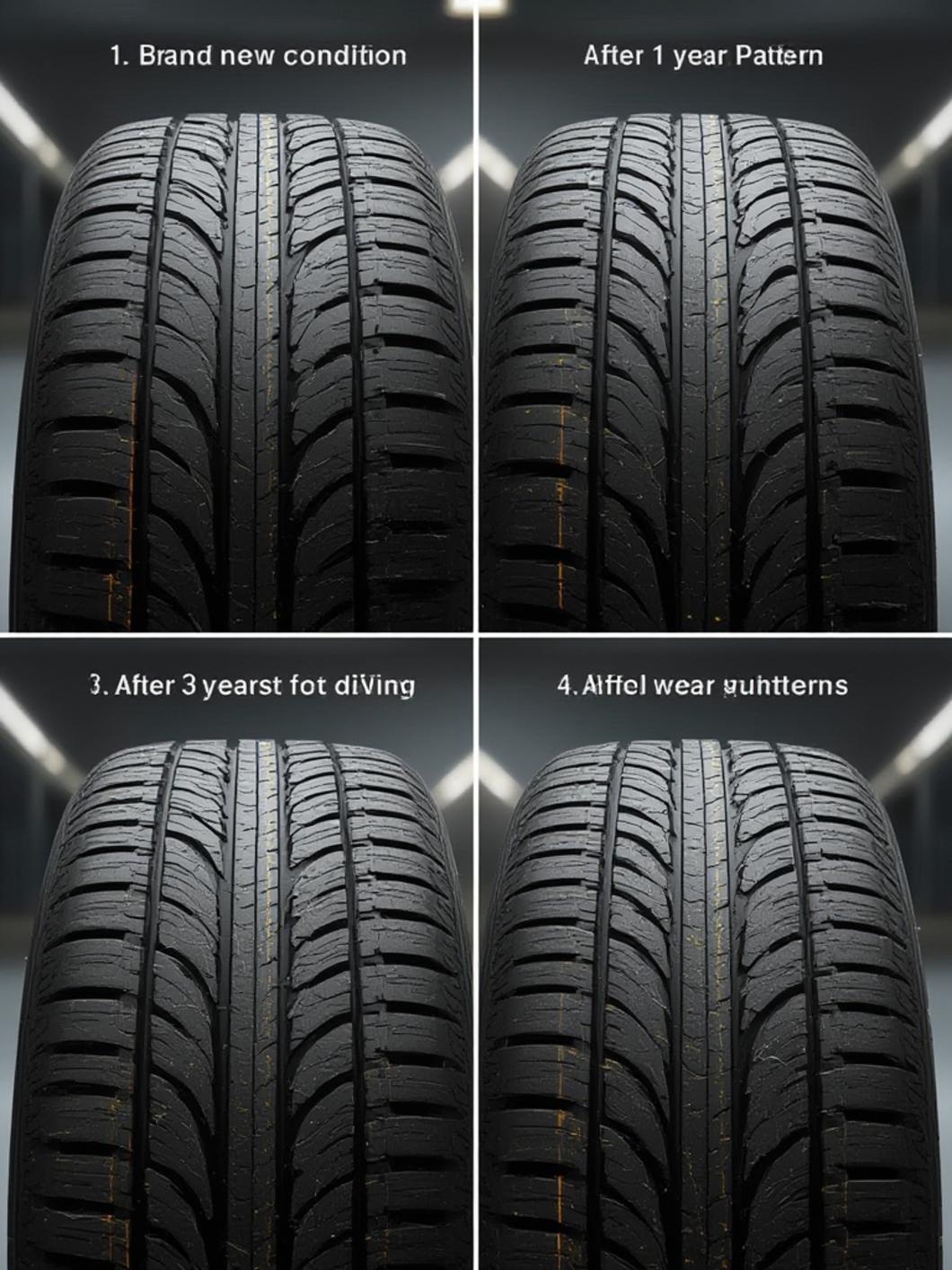
1. Identify the Warning: When your tyre pressure monitor light illuminates, don’t panic. Pull over when safe to do so.
2. Check Your Tire Pressure: Use your tire pressure gauge to check all four tires (plus the spare if applicable). Compare readings against the recommended pressures listed on the driver’s side door jamb sticker.
3. Adjust Pressure as Needed: If any tire is underinflated, use your air compressor to add air until reaching the recommended PSI. For overinflated tires, press the center pin of the valve stem briefly to release excess air.
4. Reset the System: After adjusting tire pressure, you’ll need to reset your TPMS. The reset procedure varies by vehicle:
– Some vehicles have a TPMS reset button inside the glove box or under the steering wheel
– Others require you to navigate through menu options on your dashboard display
– Many newer vehicles reset automatically after driving for about 10 minutes
5. Monitor the Light: Drive the vehicle to confirm the warning light goes off. If it remains illuminated, there may be a sensor malfunction requiring professional diagnosis.
Benefits / Advantages
Properly maintaining your TPMS provides numerous advantages:
– Early warning of dangerous underinflation that could lead to blowouts
– Improved fuel efficiency (underinflated tires can reduce gas mileage by up to 3%)
– Extended tire life by ensuring even wear patterns
– Enhanced handling and braking performance
– Reduced risk of hydroplaning in wet conditions
– Lower carbon emissions through optimized vehicle efficiency
Tips, Alternative Methods, or Driving Advice
– Keep a portable tire inflator in your vehicle for emergencies
– Learn your vehicle’s specific reset procedure before you need it
– Consider upgrading to Bluetooth-connected TPMS sensors that send readings directly to your smartphone
– In extremely cold weather, check tire pressure after driving rather than when the vehicle has been sitting
– For vehicles over 5 years old, consider proactively replacing all TPMS sensors during your next tire change
Common Mistakes to Avoid
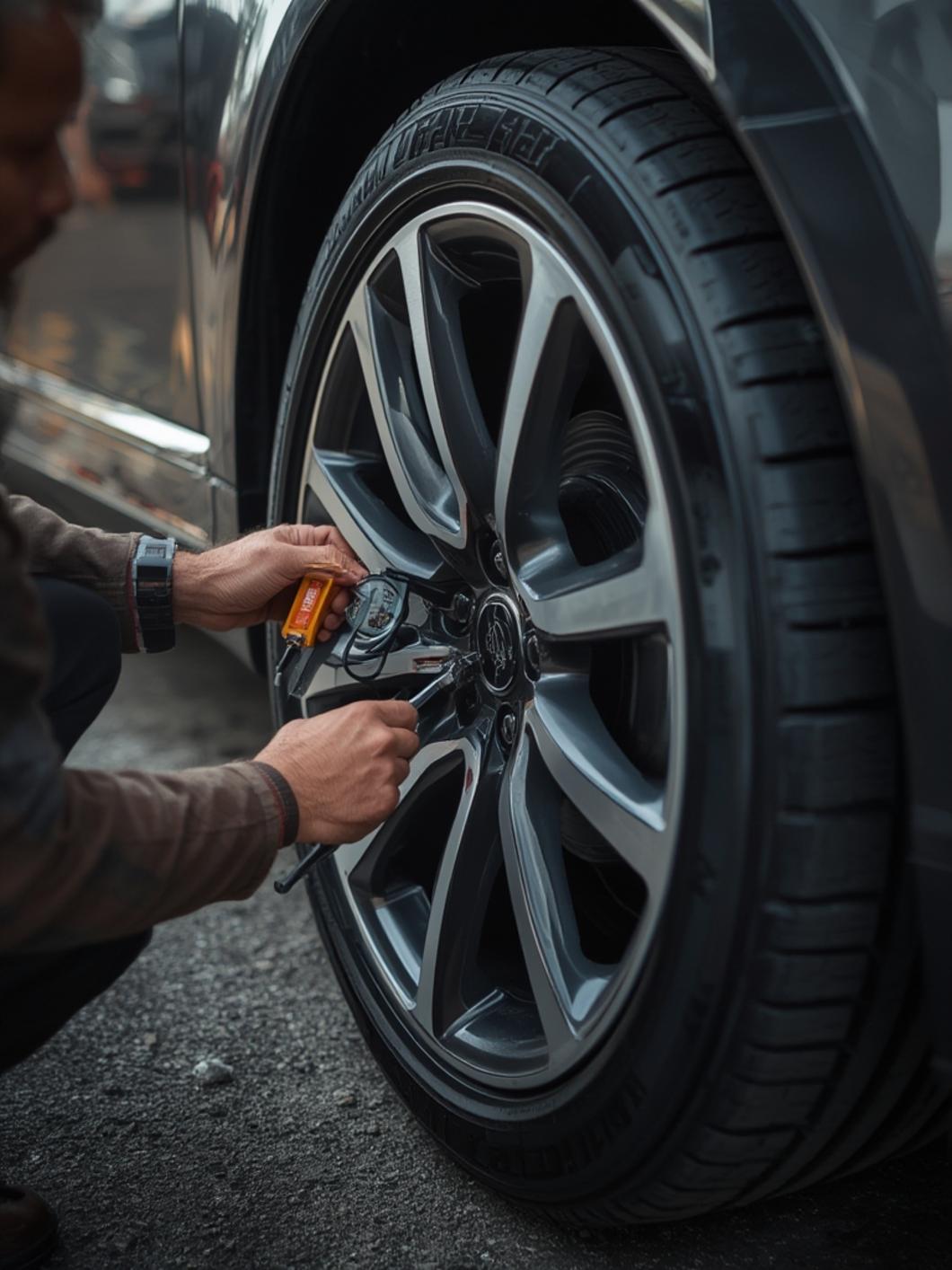
1. Ignoring the Warning Light: Many drivers continue driving with the light illuminated, risking tire damage and unsafe conditions.
2. Inflating to the Maximum PSI: The number on the tire sidewall is the maximum rating, not the recommended pressure. Always use the manufacturer’s recommended pressure from your door jamb sticker.
3. Forgetting Seasonal Adjustments: Failing to account for temperature changes can lead to persistent warning lights in colder weather.
4. Improper Reset Procedures: Attempting incorrect reset methods can damage the system or leave it in an error state.
5. DIY Sensor Replacement Without Reprogramming: New sensors typically require proper programming to communicate with your vehicle’s computer system.
Storage / Maintenance Tips
Store replacement TPMS sensors in a cool, dry place away from extreme temperatures. When rotating tires, be careful not to damage the sensors mounted to the valve stems. During seasonal tire changes, inspect all sensors for damage and corrosion. Have your TPMS recalibrated after wheel alignment or when switching between regular and winter tires.
Conclusion
Your vehicle’s tyre pressure monitor light serves as an important safety feature that should never be ignored. By understanding how your TPMS works and responding appropriately to warnings, you’re taking a proactive approach to vehicle maintenance that enhances safety, performance, and efficiency. Regular checks, proper inflation, and timely sensor maintenance will ensure your monitoring system continues to provide reliable protection against the dangers of improper tire pressure. Remember that this small dashboard light is designed to prevent potentially catastrophic tire failures – giving it the attention it deserves is a small investment for significant peace of mind.
FAQs
How accurate are tire pressure monitoring systems?
Most TPMS systems are calibrated to alert drivers when pressure drops approximately 25% below the recommended level. They’re generally accurate within 1-2 PSI, though extreme temperature changes can temporarily affect readings.
Can I replace TPMS sensors myself?
While physically replacing sensors is possible for those with mechanical skills, programming new sensors typically requires specialized equipment. Most manufacturers recommend professional installation and programming for reliable performance.
Why does my TPMS light come on in cold weather?
Cold temperatures cause air to contract, reducing tire pressure. A 10°F drop typically reduces pressure by about 1 PSI, which can trigger the warning light during the first cold snap of fall or winter.
Is it safe to drive with the TPMS light on?
For short distances at reduced speeds, it’s generally safe to drive to a location where you can check and adjust tire pressure. However, continuous driving with significantly underinflated tires increases blowout risk and reduces fuel efficiency.
How much does it cost to replace TPMS sensors?
Replacement costs vary by vehicle, but expect to pay $50-$100 per sensor plus programming fees. Many owners replace all sensors simultaneously since they typically fail around the same time due to battery life limitations.