
Best price for tire pressure sensor blinking 3 fixes
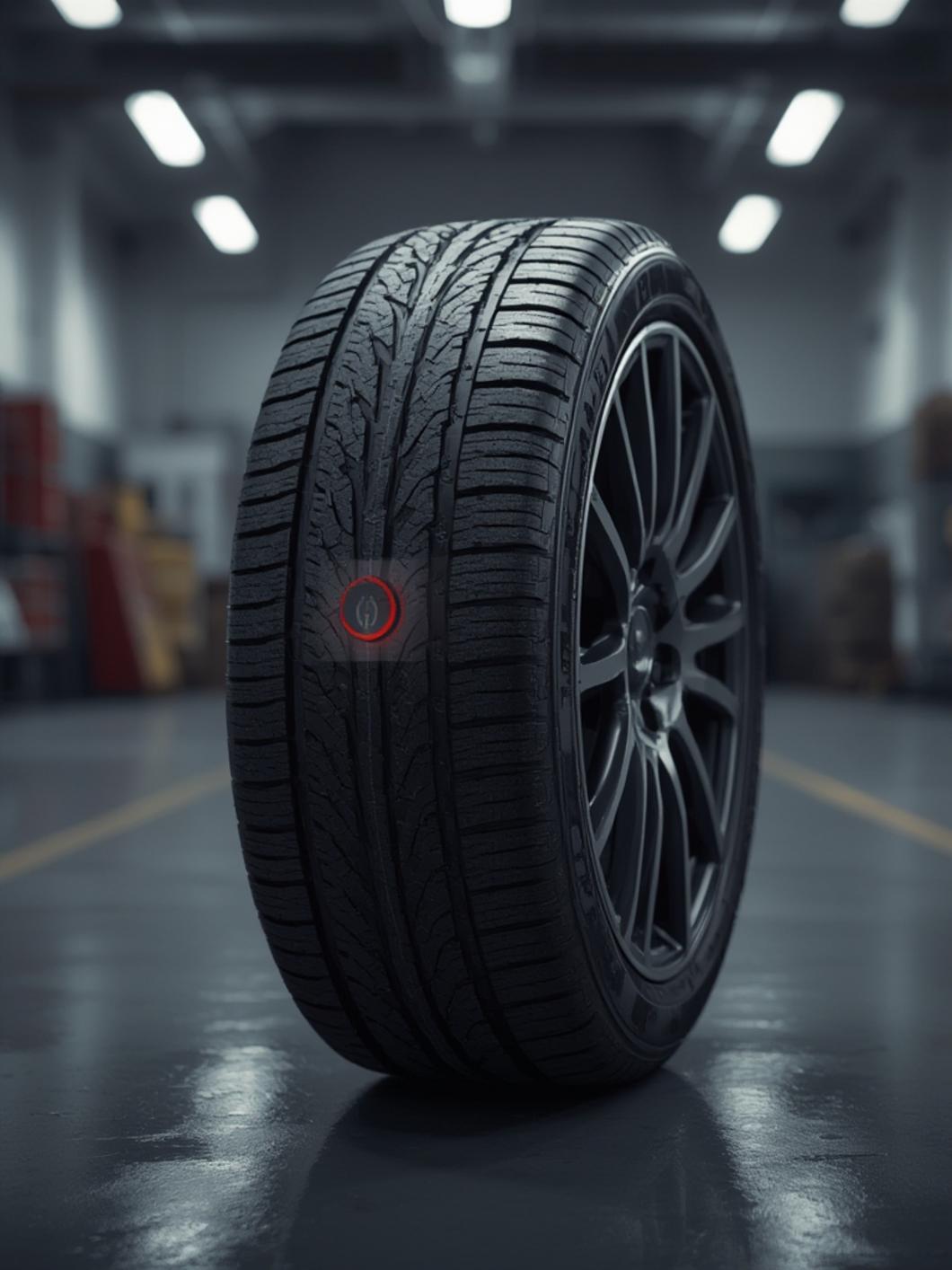
Have you ever been driving and suddenly noticed that warning light on your dashboard flashing at you? That tire pressure sensor blinking can be more than just an annoyance—it’s your vehicle’s way of alerting you to a potential safety issue. When the TPMS light blinking appears, it’s important to address it promptly rather than ignoring it.
Table of Contents
Proper tire maintenance isn’t just about extending the life of your tires; it’s about ensuring your safety on the road, improving fuel efficiency, and avoiding costly repairs down the line. Let’s explore what causes this warning light and how you can handle it effectively at home.
Materials & Supplies
To properly address tire pressure issues and maintain your TPMS system, you’ll need:
1. Tire Pressure Gauge – A digital gauge provides the most accurate readings
2. Air Compressor – A portable one works well for home use
3. TPMS Reset Tool (optional) – Helpful for resetting the system after maintenance
4. Owner’s Manual – Contains vehicle-specific information about your TPMS
5. Valve Stem Caps – Keeps debris out of valve stems
6. Notebook – To track pressure readings over time
7. Safety Gloves – Protects hands during maintenance
8. Tire Tread Depth Gauge – To check tread wear when inspecting tires
Timing / Inspection Schedule
Regular tire pressure checks should be performed monthly, regardless of whether your TPMS light is active. However, there are specific scenarios when immediate inspection is necessary:
– Whenever the TPMS light illuminates (solid or blinking)
– After significant temperature changes (10°F or more)
– Before long trips or heavy loading
– Seasonally, especially transitioning from summer to winter and vice versa
– After hitting potholes or curbs
Most vehicles will trigger the TPMS warning when pressure drops about 25% below the recommended level. Remember that tire pressure can drop approximately 1 PSI for every 10°F decrease in temperature, making fall and winter common times for the warning light to appear.
Step-by-Step Instructions
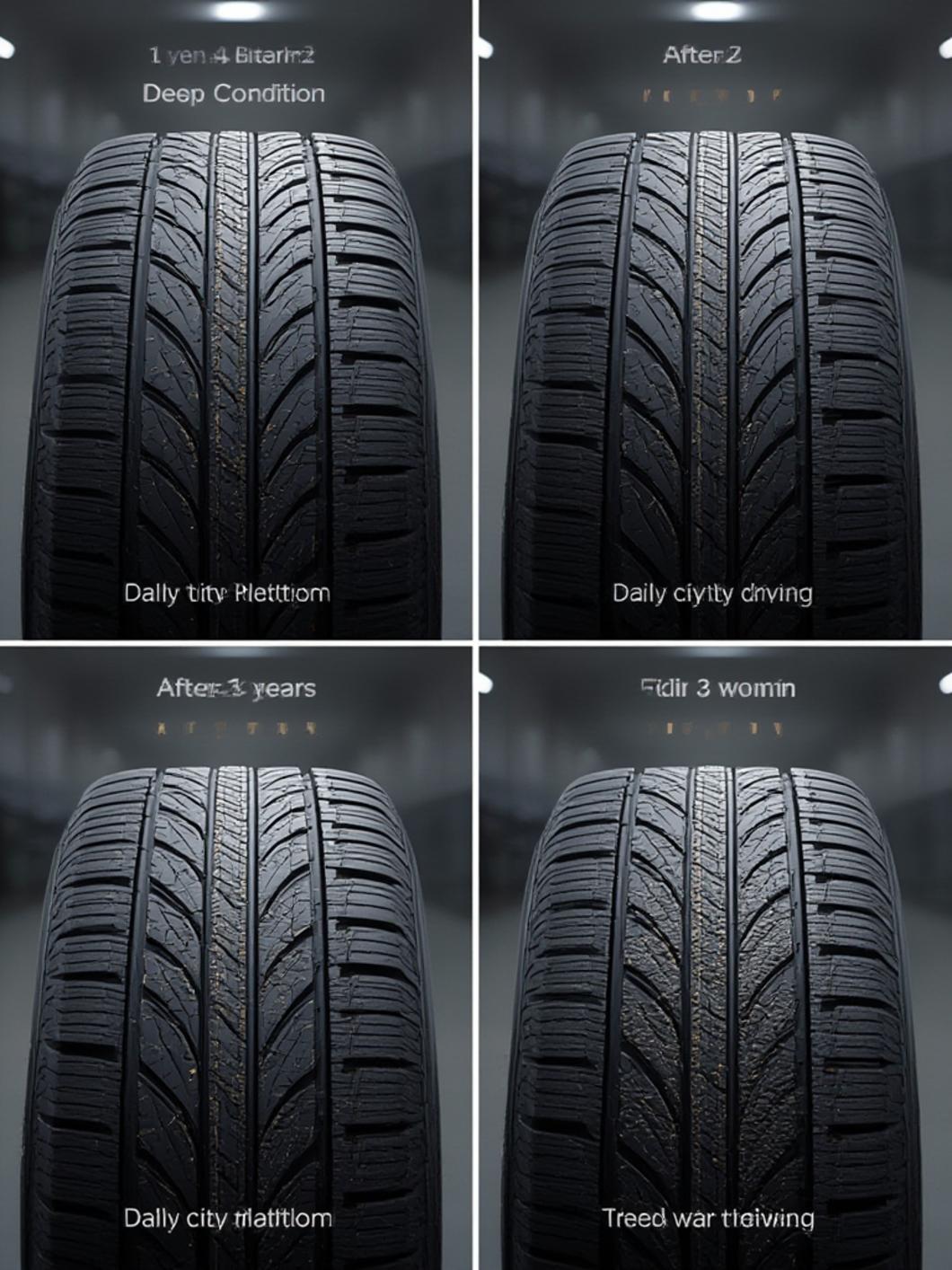
1. Determine if it’s a true alert or system fault
– A solid tire pressure sensor blinking typically indicates low pressure in one or more tires
– A blinking light that stays on for 60-90 seconds before remaining solid usually indicates a system malfunction
2. Check tire pressures when cold
– Wait at least 3 hours after driving for accurate readings
– Remove valve caps and press gauge firmly onto valve stems
– Compare readings with the recommended PSI on your driver’s door jamb sticker
3. Add air as needed
– Inflate to the manufacturer’s recommended pressure, not the maximum PSI on the tire sidewall
– Recheck pressure after adding air to ensure accuracy
4. Reset your TPMS
– For most vehicles, drive for about 10 minutes at over 20 mph to reset
– Some vehicles have a reset button, usually under the steering wheel or in the glove box
– If the TPMS light blinking continues, consult your owner’s manual for model-specific reset procedures
5. Seek professional help if needed
– If the light persists after proper inflation and reset, a sensor may need replacement
– TPMS sensors typically last 5-10 years (battery life is limited)
Benefits / Advantages
Properly maintaining your tire pressure monitoring system offers numerous benefits:
– Improved fuel efficiency (up to 3% better gas mileage)
– Extended tire life (up to 20% longer tread life)
– Enhanced handling and braking performance
– Reduced risk of blowouts and accidents
– Lower carbon emissions
– Decreased long-term maintenance costs
– Better vehicle stability, especially during emergency maneuvers
Tips, Alternative Methods, or Driving Advice
– Consider investing in a quality portable tire inflator with a built-in pressure gauge
– Visually inspect tires regularly for signs of damage or uneven wear
– In extremely cold weather, consider slightly overinflating tires by 2-3 PSI before temperature drops
– When replacing tires, consider having TPMS sensors replaced at the same time
– Store the TPMS reset procedure in your phone or glove compartment for quick reference
– If you switch between summer and winter tires, consider a second set of TPMS sensors
Common Mistakes to Avoid
1. Ignoring the warning light – The TPMS is designed as a safety feature, not just a convenience
2. Checking pressure when tires are hot – This gives falsely elevated readings
3. Inflating to the maximum pressure listed on the tire – Always use the vehicle manufacturer’s recommendation
4. Using inaccurate gas station air gauges – These are often poorly maintained
5. Forgetting to replace valve stem caps – These prevent dirt and moisture from damaging the valve
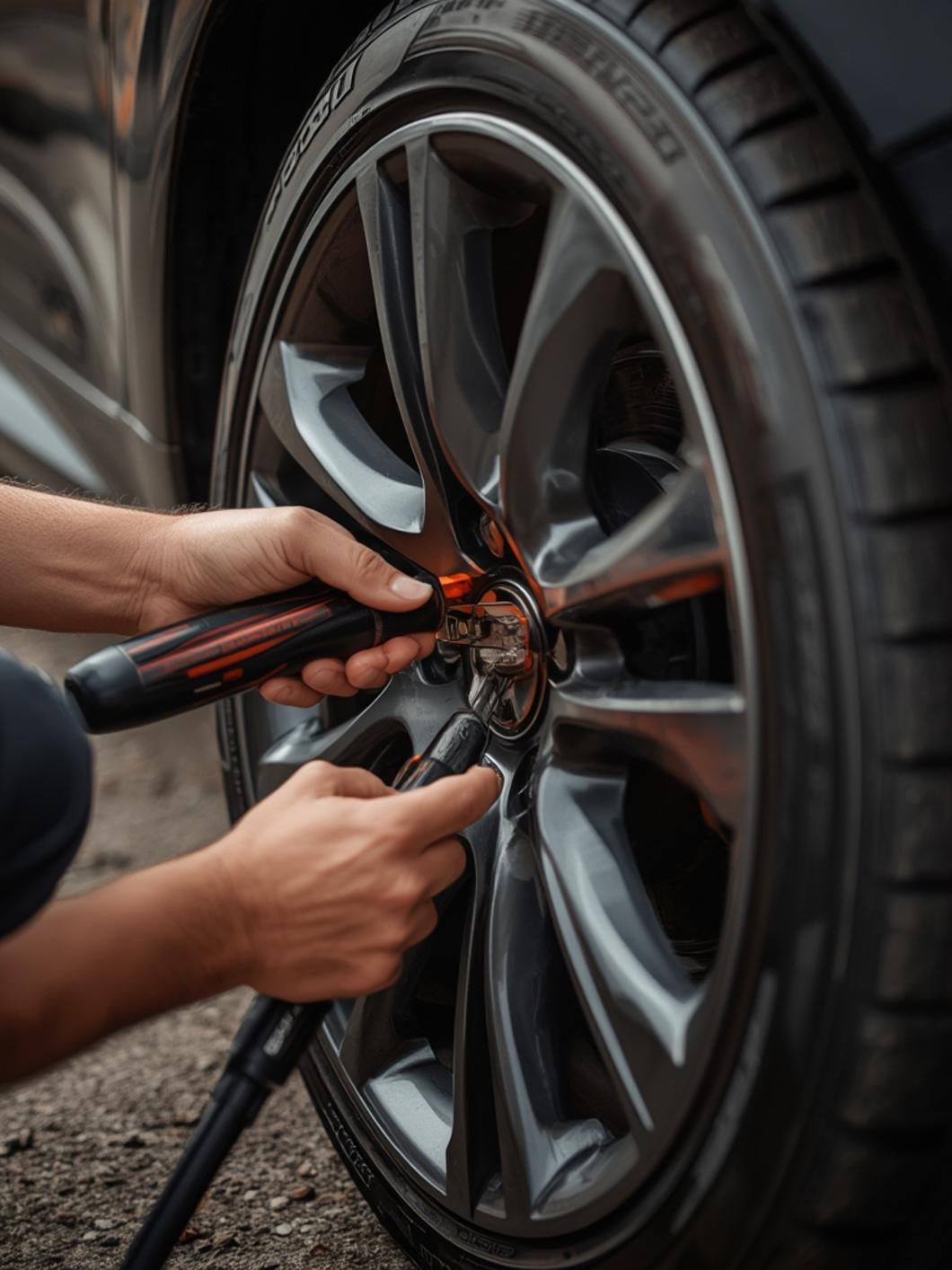
6. Attempting DIY sensor replacement without proper tools – This can damage expensive components
Storage / Maintenance Tips
– If storing tires, maintain about 10 PSI to keep their shape
– Clean TPMS sensors when changing tires to ensure proper function
– Keep valve stem caps clean and replace if damaged
– When rotating tires, be aware that some TPMS systems need reprogramming to identify which sensor is in which position
– Consider having TPMS batteries checked during regular service intervals
– Store your pressure gauge in a clean, dry place for accuracy
Conclusion
Taking prompt action when you see a tire pressure sensor blinking is essential for your safety and vehicle performance. By following these steps and maintaining proper tire pressure, you’ll extend the life of your tires, improve fuel efficiency, and enhance your driving safety. Remember that while the TPMS light blinking can be annoying, it’s an important safety feature designed to protect you and your passengers. Have you addressed this issue in your vehicle? Share your experience in the comments or check out our related posts on tire maintenance for more helpful tips.
FAQs
How long do TPMS sensors typically last?
TPMS sensors generally last 5-10 years, as their batteries are not replaceable. When the battery dies, the entire sensor must be replaced.
Can I drive with my TPMS light on?
While you can physically drive with the light on, it’s not recommended. The light indicates either dangerously low tire pressure or a system malfunction, both of which should be addressed promptly for safety.
Will tire rotation affect my TPMS system?
Some vehicles need TPMS reprogramming after rotation to identify the new sensor positions. Check your owner’s manual to determine if your vehicle requires this.
Do I need special TPMS tools to maintain my system?
Basic maintenance requires only a pressure gauge, but some vehicles benefit from a TPMS reset tool. For sensor replacement, professional tools are recommended.
What causes false TPMS readings?
Extreme temperature changes, recent tire service, electromagnetic interference, and aging sensors can all cause false readings in your TPMS system.