
Best performance: Our top 3 tire gauge light picks
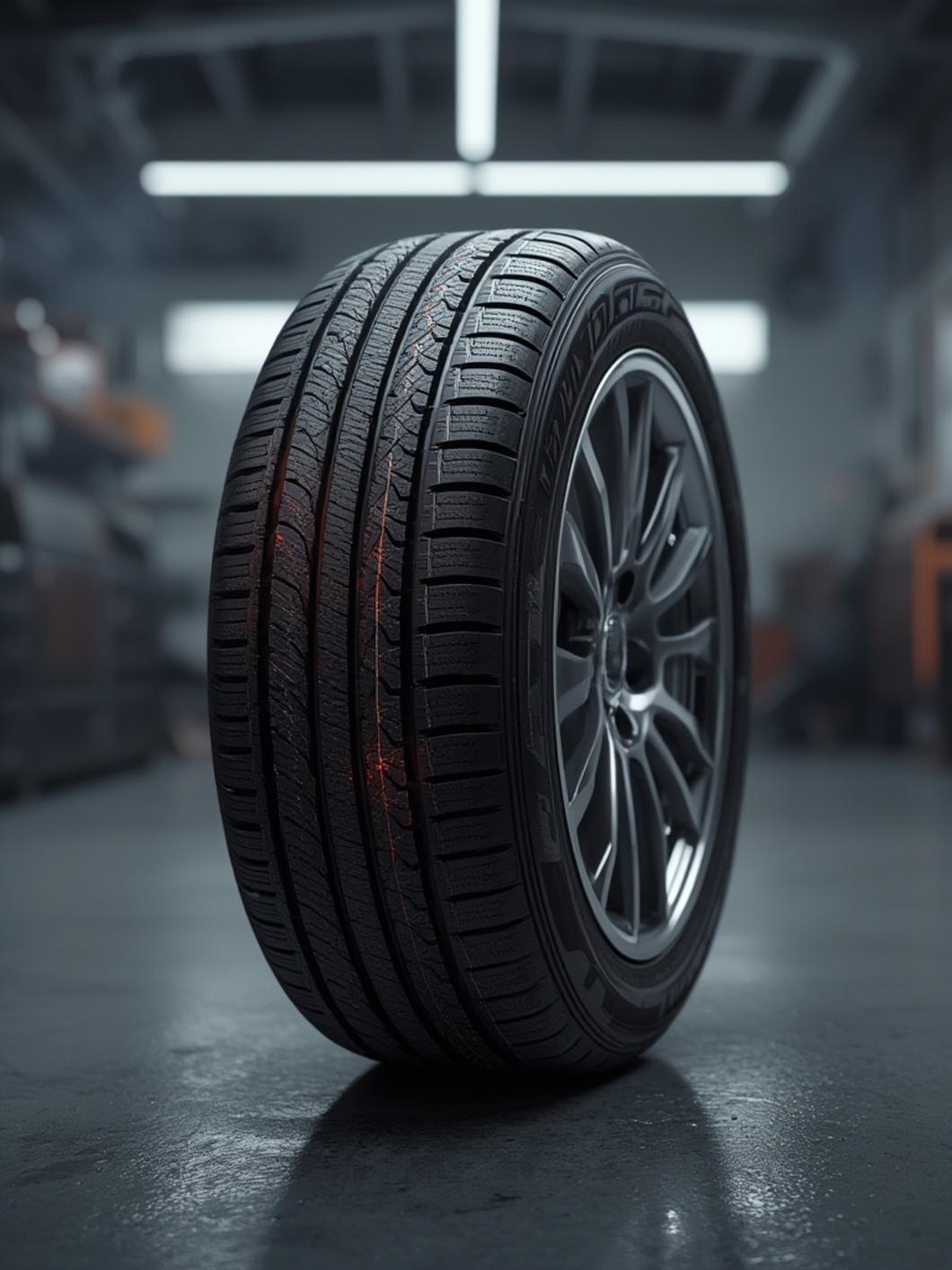
Have you ever been driving and suddenly noticed a glowing yellow symbol on your dashboard that looks like a tire with an exclamation point? This tire gauge light is actually your vehicle’s way of alerting you to potential tire pressure issues. Modern vehicles are equipped with a TPMS (Tire Pressure Monitoring System) that constantly checks your tire pressure and warns you when it falls below safe levels.
Table of Contents
Understanding what triggers the tire gauge light and how to respond to TPMS warnings is crucial for maintaining your vehicle’s safety, improving fuel efficiency, and extending tire life.
Materials & Supplies
To properly monitor and maintain your tire pressure, you’ll need:
1. Digital tire pressure gauge – More accurate than analog models
2. Portable air compressor – For adding air when needed
3. Tire tread depth gauge – To monitor tread wear
4. Valve stem caps – To protect valve stems from dirt and moisture
5. Tire chalk – For marking tires during rotation
6. Work gloves – To protect your hands
7. Flashlight – For better visibility in low-light conditions
8. TPMS reset tool (optional) – For resetting your system after maintenance
9. Owner’s manual – Contains vehicle-specific tire information
Timing / Inspection Schedule
Tire pressure should be checked at least once a month and before long trips. The best time to check pressure is when tires are cold—meaning the vehicle hasn’t been driven for at least three hours. Seasonal changes significantly impact tire pressure, with pressure typically dropping 1-2 PSI for every 10°F decrease in temperature. This means autumn and winter require more frequent checks.
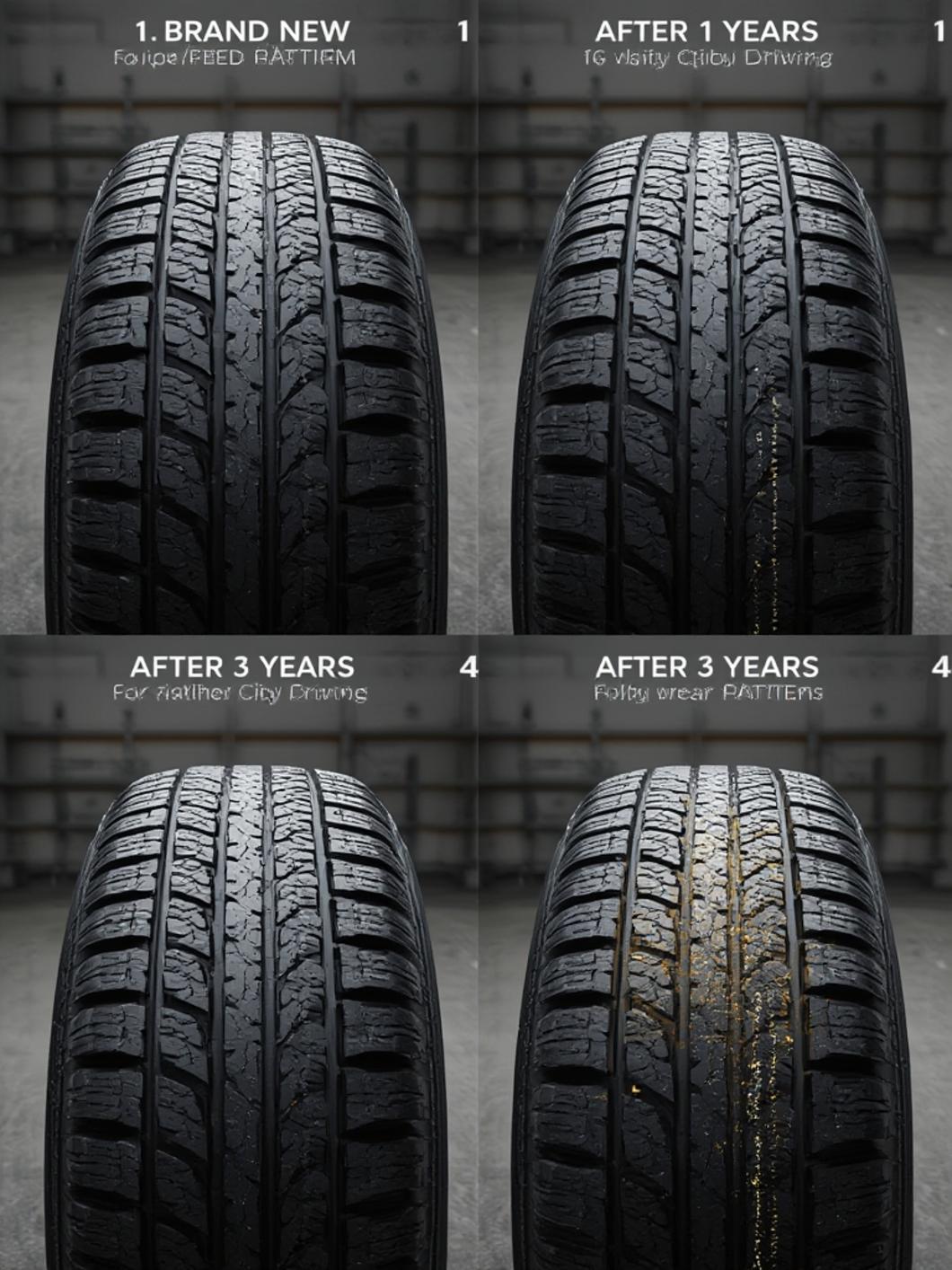
Schedule a complete tire inspection every 6,000-8,000 miles, coinciding with oil changes. This should include checking for uneven wear patterns, damage, and proper rotation. Most TPMS sensors have batteries that last 5-7 years, so plan for replacement around this timeframe to ensure accurate readings.
Step-by-Step Instructions
1. Identify the warning – When your tire gauge light illuminates, check your dashboard for specific information. Some vehicles display which tire is affected and the current pressure.
2. Find your recommended pressure – Look inside the driver’s door jamb, glove compartment, or owner’s manual for the manufacturer’s recommended PSI (not the maximum PSI printed on the tire).
3. Check all tire pressures – Even if your TPMS indicates only one tire is low, check them all since temperature changes affect all tires similarly.
4. Add air as needed – Inflate tires to the recommended PSI. For accuracy, add air in short bursts, rechecking pressure between additions.
5. Reset the system – Some vehicles require a manual reset of the TPMS after inflation. Consult your owner’s manual for the specific procedure, which often involves a button in the glove box or under the steering wheel.
6. Verify the warning light turns off – Drive for a few minutes to allow the system to recalibrate. The warning light should turn off within 10-20 minutes of driving.
Benefits / Advantages
Properly maintained tire pressure provides numerous benefits:
– Improved fuel efficiency by up to 3% (saving approximately $65 annually)
– Extended tire life by up to 25%, saving hundreds on premature replacements
– Enhanced vehicle handling and stability, especially during emergency maneuvers
– Reduced risk of blowouts and accidents
– Decreased carbon emissions
– More even tire wear, improving overall performance
– Better traction in wet conditions
Tips, Alternative Methods, or Driving Advice
– Consider investing in a portable tire inflator with a built-in pressure gauge for convenience
– In colder climates, check pressure more frequently during the first cold spells of autumn
– Some gas stations offer nitrogen fills, which maintain pressure longer than regular air
– Visually inspect tires at least weekly for obvious damage or objects
– When driving with a spare tire, be aware that most TPMS systems won’t monitor it
– For vehicles without TPMS, consider aftermarket systems or establish a regular manual checking routine
– Drive cautiously after receiving a TPMS alert until you’ve verified and corrected the issue
Common Mistakes to Avoid
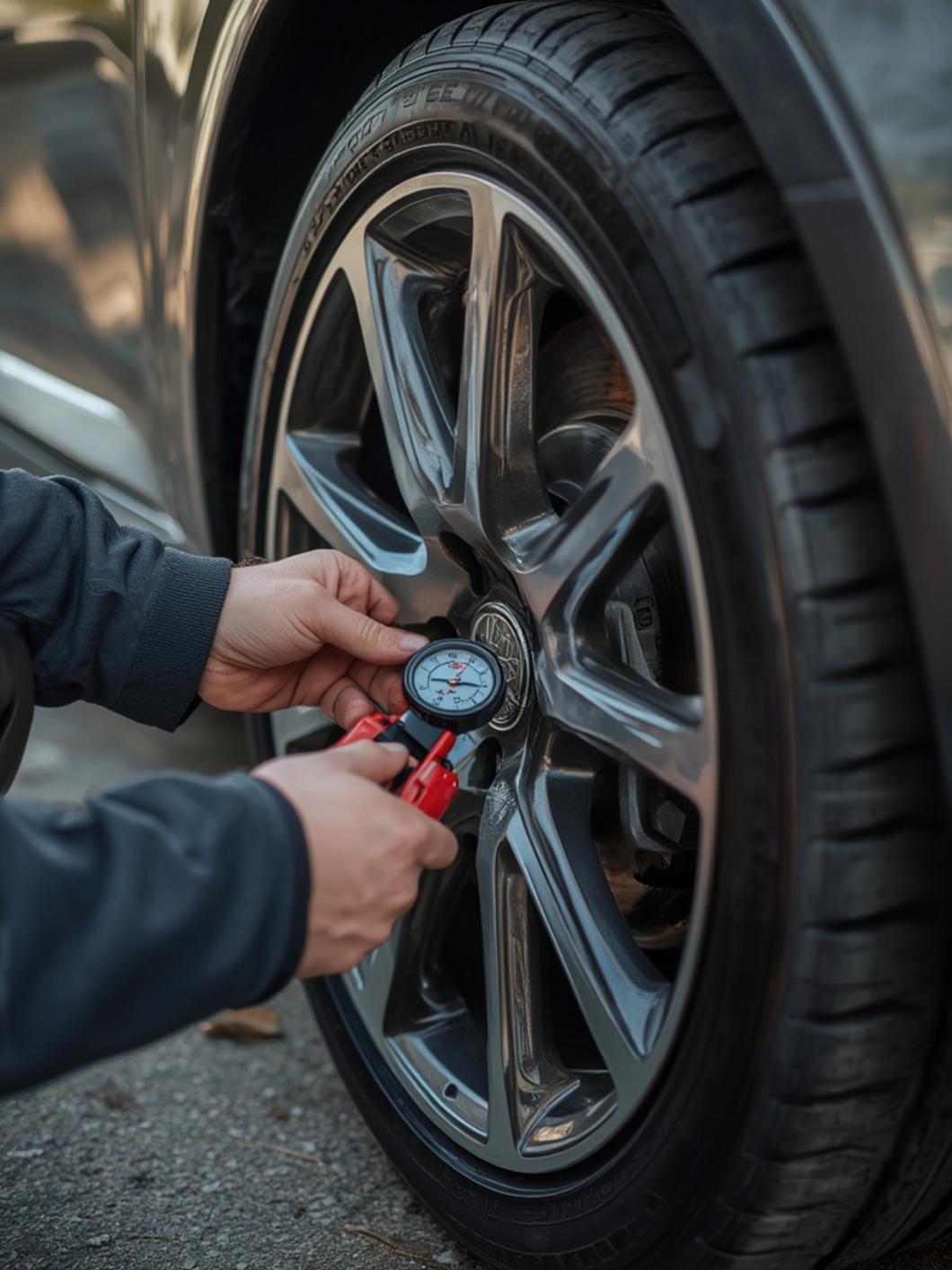
1. Ignoring the warning light – Many drivers continue driving when the tire gauge light appears, risking damage and unsafe conditions
2. Filling to the maximum PSI – The maximum pressure on the tire sidewall is not the recommended pressure
3. Checking pressure when tires are hot – This gives inaccurate readings
4. Forgetting to replace valve stems – When installing new tires, valve stems should also be replaced
5. Relying solely on visual inspection – Tires can be dangerously underinflated without appearing flat
6. Assuming the TPMS is infallible – Sensors can malfunction or provide delayed warnings
Storage / Maintenance Tips
Store unmounted tires standing upright in a cool, dry place away from direct sunlight, ozone sources (electric motors), and chemicals. For mounted tires, store either hanging or stacked horizontally, rotating their position monthly if stacked.
Maintain proper inflation even during storage periods. For long-term storage (over 30 days), consider increasing pressure by 3 PSI to account for natural air loss, then readjusting before reinstallation.
Clean tires with mild soap and water before storage, avoiding tire shines that can degrade rubber compounds during storage periods.
Conclusion
Responding promptly to your tire gauge light and understanding how your TPMS works is an essential part of vehicle ownership that pays dividends in safety, performance, and cost savings. By following these guidelines and establishing regular tire maintenance habits, you’ll enjoy better fuel economy, extended tire life, and increased safety on the road. Don’t wait for a warning light to think about your tires—preventative maintenance is always the best approach.
FAQs
Can I drive with the tire pressure warning light on?
While you can drive short distances, it’s safest to check your tire pressure as soon as possible. Driving with significantly underinflated tires is dangerous and can lead to tire damage or blowouts.
Why does my TPMS light come on in cold weather?
Cold temperatures cause air to contract, lowering tire pressure. For every 10°F drop in temperature, tire pressure decreases by about 1-2 PSI, often triggering the warning light during the first cold snaps.
How accurate are built-in TPMS systems?
Most TPMS systems alert you when pressure falls 25% below the recommended level. For precise readings, use a quality tire pressure gauge to check manually.
If I inflate my tires, why doesn’t the warning light turn off immediately?
Many TPMS systems require the vehicle to be driven for a short period (typically 10-20 minutes) at speeds above 15 mph to recalibrate and turn off the warning light.
Can I replace TPMS sensors myself?
While technically possible, TPMS sensor replacement requires special tools and programming equipment. Most drivers should have this service performed by professionals to ensure proper function.