
Top rated 5 service tire monitor system
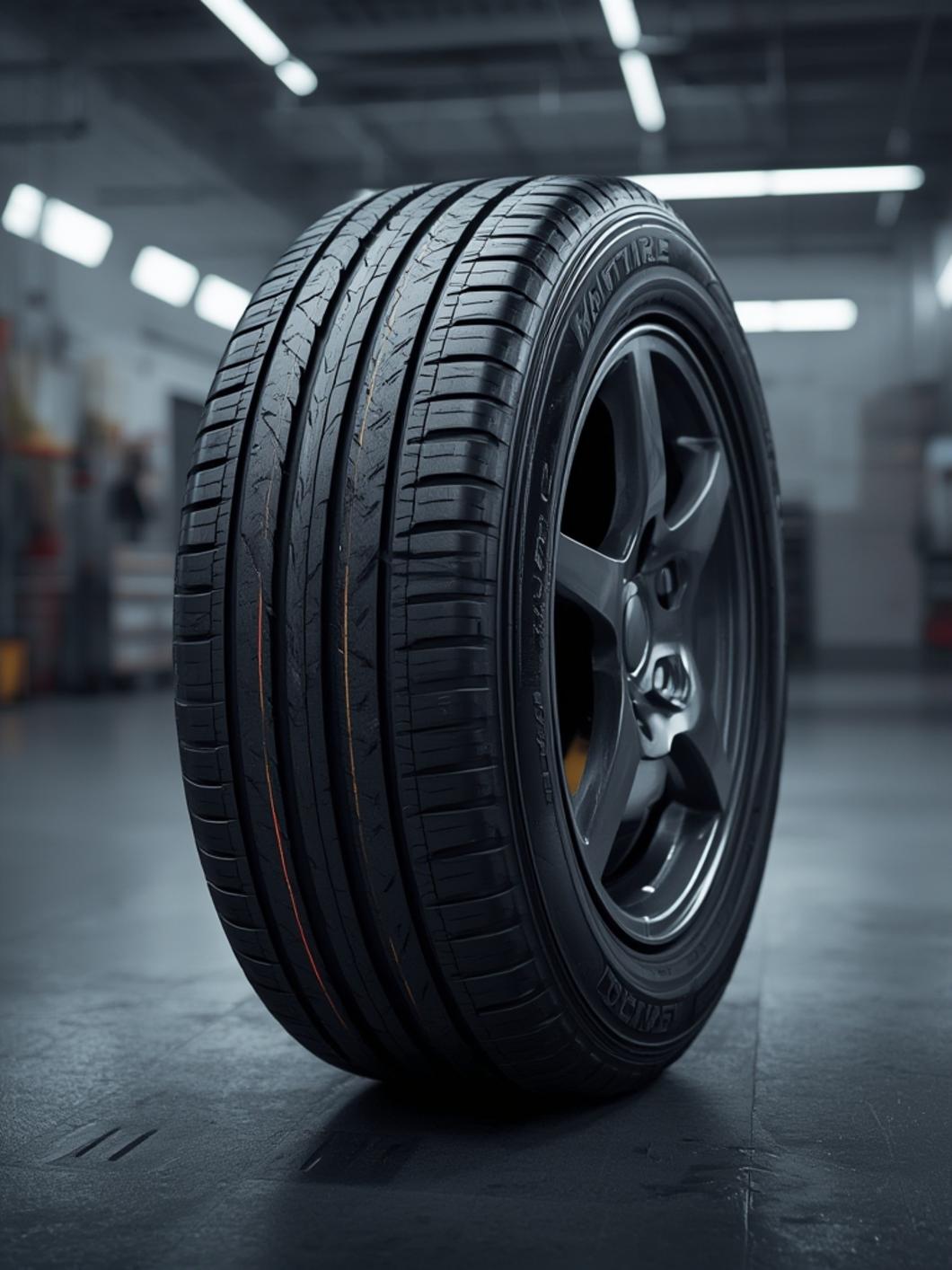
Have you ever been driving and suddenly noticed a warning light on your dashboard indicating a “service tire monitor system” alert? This common warning can be confusing and concerning for many drivers. Understanding how to properly maintain your tire pressure monitoring system is crucial for vehicle safety and performance.
Table of Contents
A properly functioning service tire monitor system not only ensures your tires are properly inflated but also helps with fuel efficiency and extends the life of your tpms sensors. Let’s explore how to address these warnings and maintain your tire monitoring system properly.
Materials & Supplies
To properly maintain your tire monitoring system, you’ll need the following tools and materials:
1. Digital tire pressure gauge – For accurate pressure readings
2. Air compressor or portable tire inflator – To adjust tire pressure
3. TPMS reset tool – For reprogramming or resetting the system
4. Valve core tool – For replacing valve stems and cores
5. Replacement TPMS sensors – In case existing sensors fail
6. Replacement valve stems and caps – For routine maintenance
7. Owner’s manual – Contains specific information about your vehicle’s TPMS
8. Safety gloves – To protect your hands during maintenance
9. Battery tester – To check sensor battery levels (optional)
10. Torque wrench – For proper installation of wheels after service
Timing / Inspection Schedule

Your tire monitoring system requires regular checks to ensure optimal performance:
– Monthly tire pressure checks – Even with TPMS, manual verification is recommended
– Every oil change – Have the TPMS checked as part of routine maintenance
– Seasonal transitions – Temperature changes affect tire pressure and sensor readings
– Every 5-7 years – TPMS sensor batteries typically need replacement within this timeframe
– After tire rotation or replacement – The system often needs resetting
– When warning lights appear – Immediate inspection is required
Winter conditions often trigger more frequent TPMS warnings as cold temperatures reduce tire pressure. A 10°F drop in temperature can decrease tire pressure by 1-2 PSI.
Step-by-Step Instructions
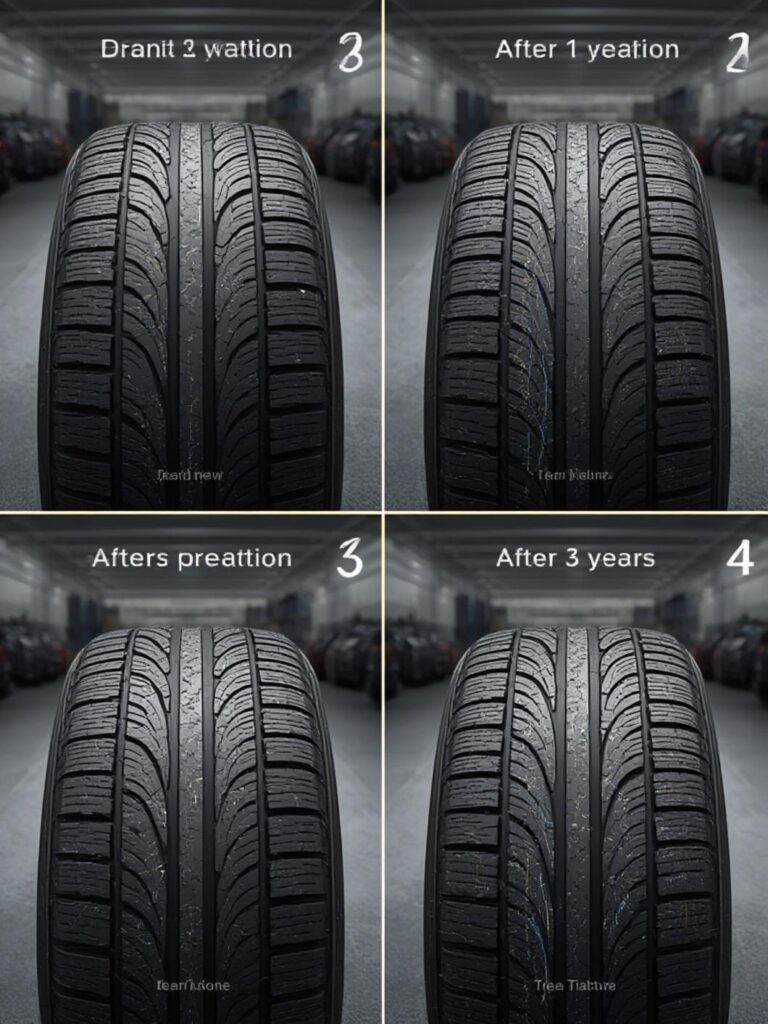
1. Identify the warning type – Determine if it’s a low pressure warning or a service tire monitor system malfunction alert.
– Tip: Solid lights usually indicate low pressure while flashing lights often signal system malfunction
2. Check tire pressures manually – Use a quality digital gauge to check all tires, including the spare.
– Tip: Always check when tires are cold for accurate readings
3. Adjust tire pressures – Inflate or deflate tires to the manufacturer’s recommended pressure listed on the driver’s door jamb sticker.
– Tip: Over-inflation is as problematic as under-inflation
4. Reset the TPMS – Follow your vehicle’s specific reset procedure, typically found in the owner’s manual.
– Tip: Many vehicles have a reset button in the glove box or under the steering wheel
5. Test the system – Drive the vehicle for 5-10 minutes to ensure the warning light turns off.
– Tip: Some vehicles require driving above 20 mph for the sensors to activate
6. Check for faulty tpms sensors – If warnings persist, have the sensors diagnosed at a service center.
– Tip: Sensors typically last 5-7 years before battery failure occurs
Benefits / Advantages
Proper maintenance of your TPMS provides numerous benefits:
– Enhanced safety – Reduces blowout risks and improves vehicle handling
– Improved fuel economy – Properly inflated tires can improve MPG by up to 3%
– Extended tire life – Correct pressure reduces uneven wear patterns
– Early problem detection – Identifies slow leaks before they become dangerous
– Reduced emissions – Better fuel efficiency means lower carbon emissions
– Compliance with safety regulations – TPMS has been mandatory in all U.S. vehicles since 2008
Tips, Alternative Methods, or Driving Advice
– Use nitrogen inflation – More stable pressure in varying temperatures
– Consider aftermarket sensors – Sometimes more durable than OEM options
– Install a smartphone TPMS app – Works with Bluetooth sensors for real-time monitoring
– Program winter tire sensors – If you use seasonal tires, have dedicated sensors programmed
– Keep valve stem caps tight – Prevents air leakage and sensor damage from moisture and dirt
Common Mistakes to Avoid
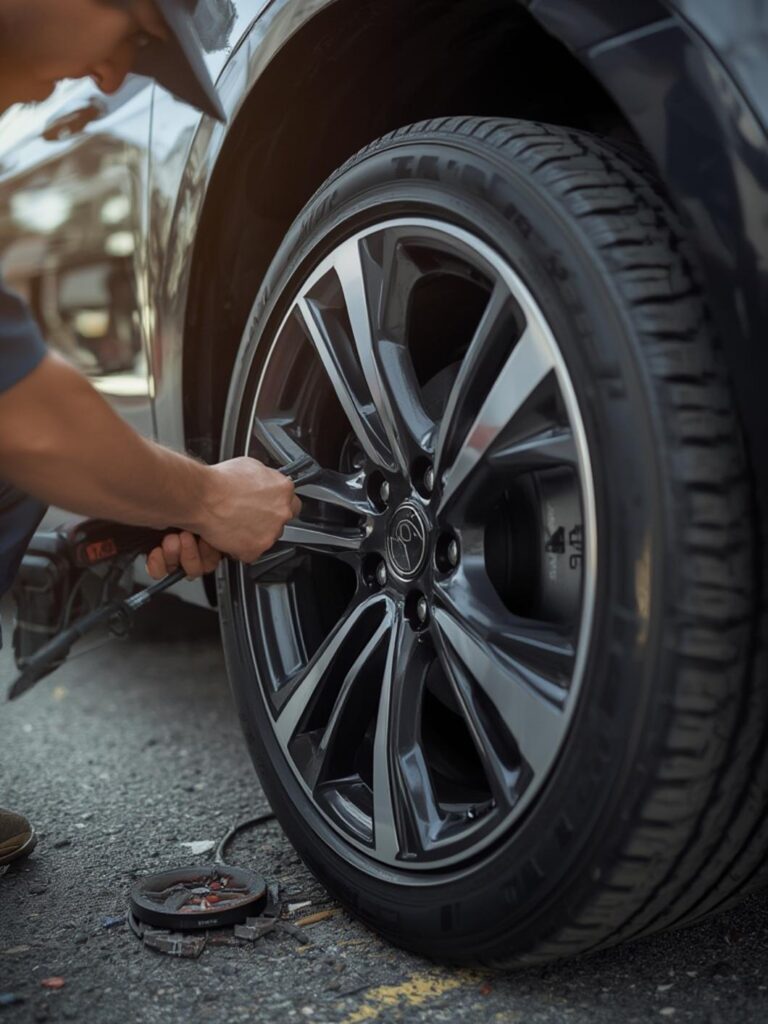
– Ignoring warning lights – TPMS warnings indicate safety issues that need immediate attention
– Using tire sealants carelessly – Some sealants can damage sensors
– Improper sensor installation – Incorrect torque or positioning can cause failures
– Skipping relearn procedures – After rotation or replacement, sensors often need reprogramming
– Using incorrect replacement parts – Always use compatible sensors and components
Storage / Maintenance Tips
– Clean sensors during tire changes – Remove corrosion from valve stems and sensor bodies
– Replace valve stems with sensors – Always install new valve stems when replacing sensors
– Perform regular software updates – Some modern TPMS systems require dealer updates
– Store spare sensors properly – Keep in a dry, cool place to preserve battery life
– Document sensor IDs – Keep a record of sensor identification numbers for easier replacement
Conclusion
Maintaining your service tire monitor system is a critical aspect of vehicle safety and performance. By following the steps outlined above, you can address warning lights promptly and ensure your tpms sensors function properly for years to come. Regular checks and proper maintenance not only keep you safer on the road but also improve your vehicle’s efficiency and tire longevity. Don’t ignore those dashboard warnings – they’re there to protect you and your investment. Take action today to verify your tire pressure monitoring system is working correctly.
FAQs
How long do TPMS sensors typically last?
TPMS sensors usually last between 5-7 years, with battery life being the primary limiting factor. When one sensor fails, it’s often recommended to replace all sensors simultaneously.
Can I replace TPMS sensors myself?
While technically possible, replacement typically requires specialized tools and programming equipment. Most drivers should have this service performed by qualified professionals.
Why does my TPMS warning light come on in cold weather?
Cold temperatures cause tire pressure to decrease (approximately 1 PSI for every 10°F drop). This often triggers TPMS warnings during the first cold snap of winter.
Do I need to reset my TPMS after rotating tires?
Many vehicles require a TPMS reset or relearn procedure after rotation since the system may be position-specific. Consult your owner’s manual for specific instructions.
Can I drive with the TPMS warning light on?
While you can physically drive the vehicle, it’s unsafe to ignore the warning. The light indicates either dangerous tire pressure levels or a system malfunction that needs attention.