
Best performance snow tires and rims 2026
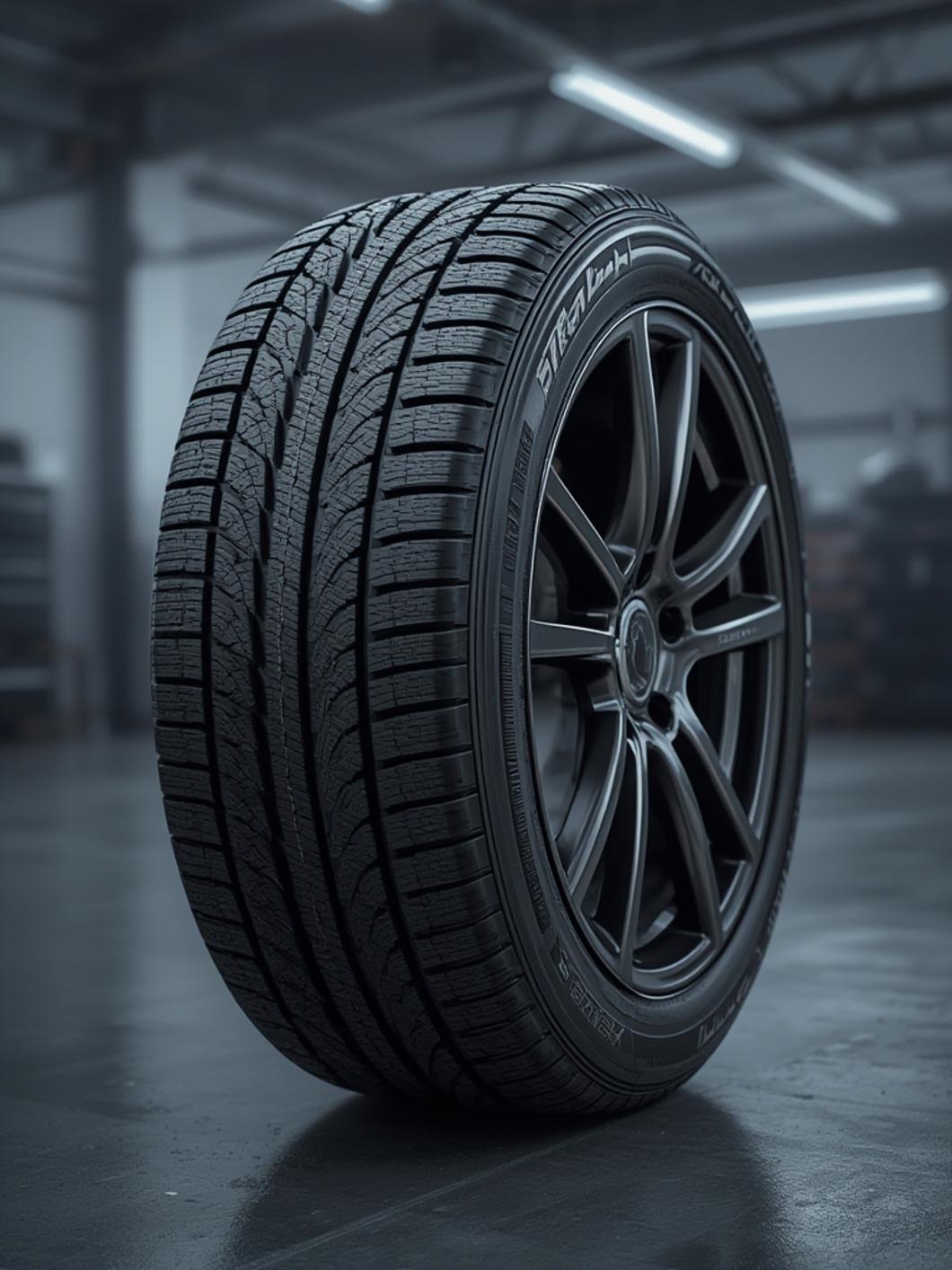
Ever wondered why your car seems to struggle through winter conditions despite your careful driving? The secret to confident winter driving might be right beneath your vehicle. Proper installation and maintenance of snow tires and rims can dramatically improve your safety and performance during the cold season.
Table of Contents
Many drivers overlook the importance of dedicated winter wheel packages until they experience their first winter slide. Let’s explore how to properly install and maintain these essential winter driving components to keep you safe on icy roads.
Materials & Supplies
To properly install and maintain your winter tires, you’ll need:
1. Torque wrench – Essential for properly tightening lug nuts to manufacturer specifications
2. Jack and jack stands – For safely lifting your vehicle during tire changes
3. Lug wrench – To remove and install wheel lug nuts
4. Tire pressure gauge – For checking and maintaining proper inflation
5. Air compressor – To adjust tire pressure as needed
6. Wire brush – For cleaning mounting surfaces and lug nuts
7. Anti-seize lubricant – Prevents corrosion between dissimilar metals
8. Chalk or marker – For marking tire rotation patterns
9. Storage bags – For keeping lug nuts organized and clean
10. Tire tread depth gauge – To monitor tread wear throughout the season
Optional but helpful items include wheel chocks for additional safety, a rubber mallet for stubborn wheels, and microfiber cloths for cleaning.
Timing / Inspection Schedule
The general rule for winter tire installation is when temperatures consistently drop below 45°F (7°C), typically in late October to mid-November in most northern regions. You should remove them when spring temperatures remain above this threshold, usually in March or April.
Inspection schedule:
– Before installation: Complete visual inspection for damage, tread wear, and age
– Bi-weekly: Check tire pressure (cold tires)
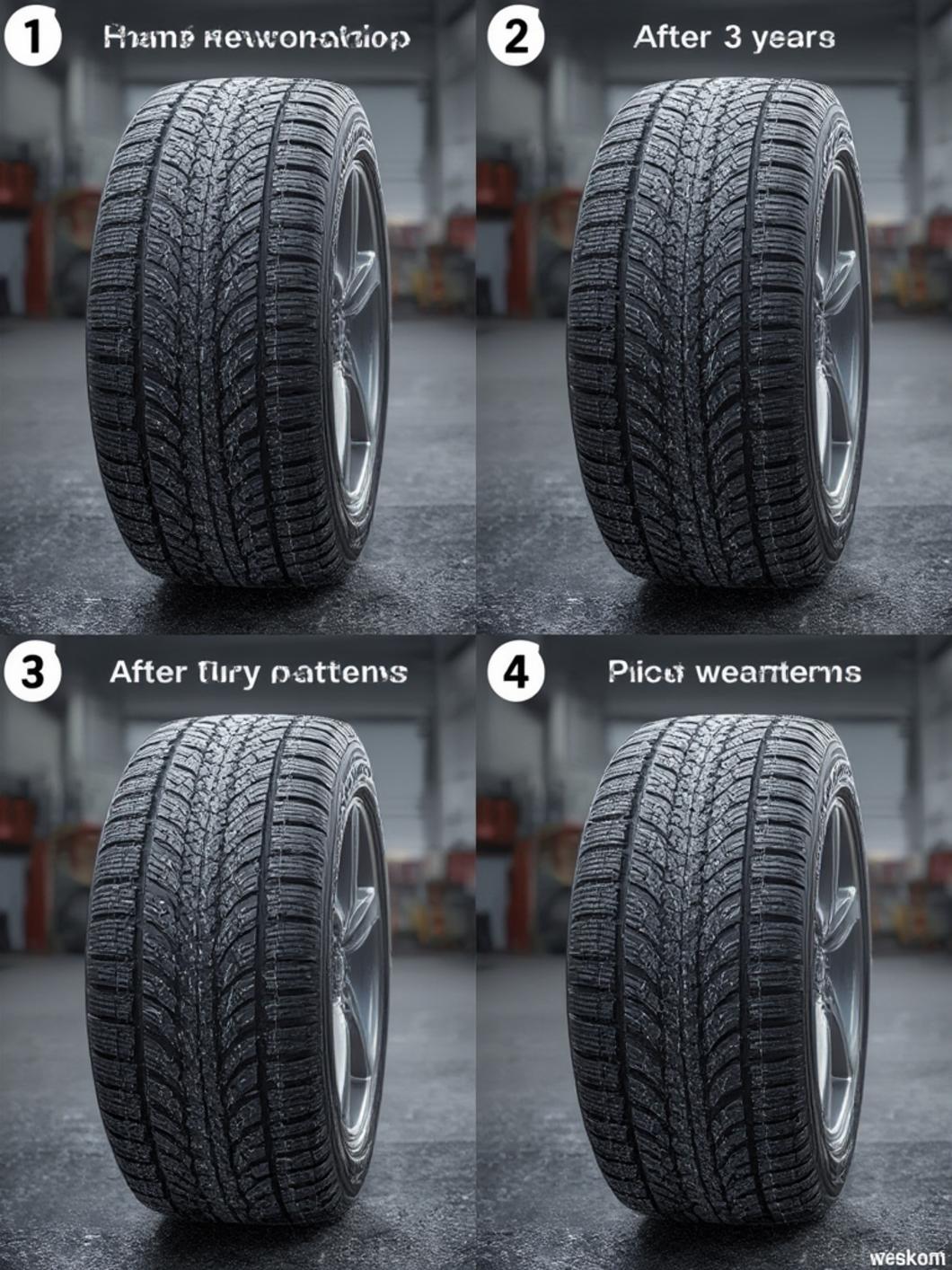
– Monthly: Inspect tread depth and wear patterns
– Mid-season: Perform rotation if needed (around January)
– End of season: Complete inspection before storage
Winter tires generally last 3-4 seasons depending on use, though tread compounds deteriorate even when stored, so tires older than 6 years should be replaced regardless of tread depth.
Step-by-Step Instructions
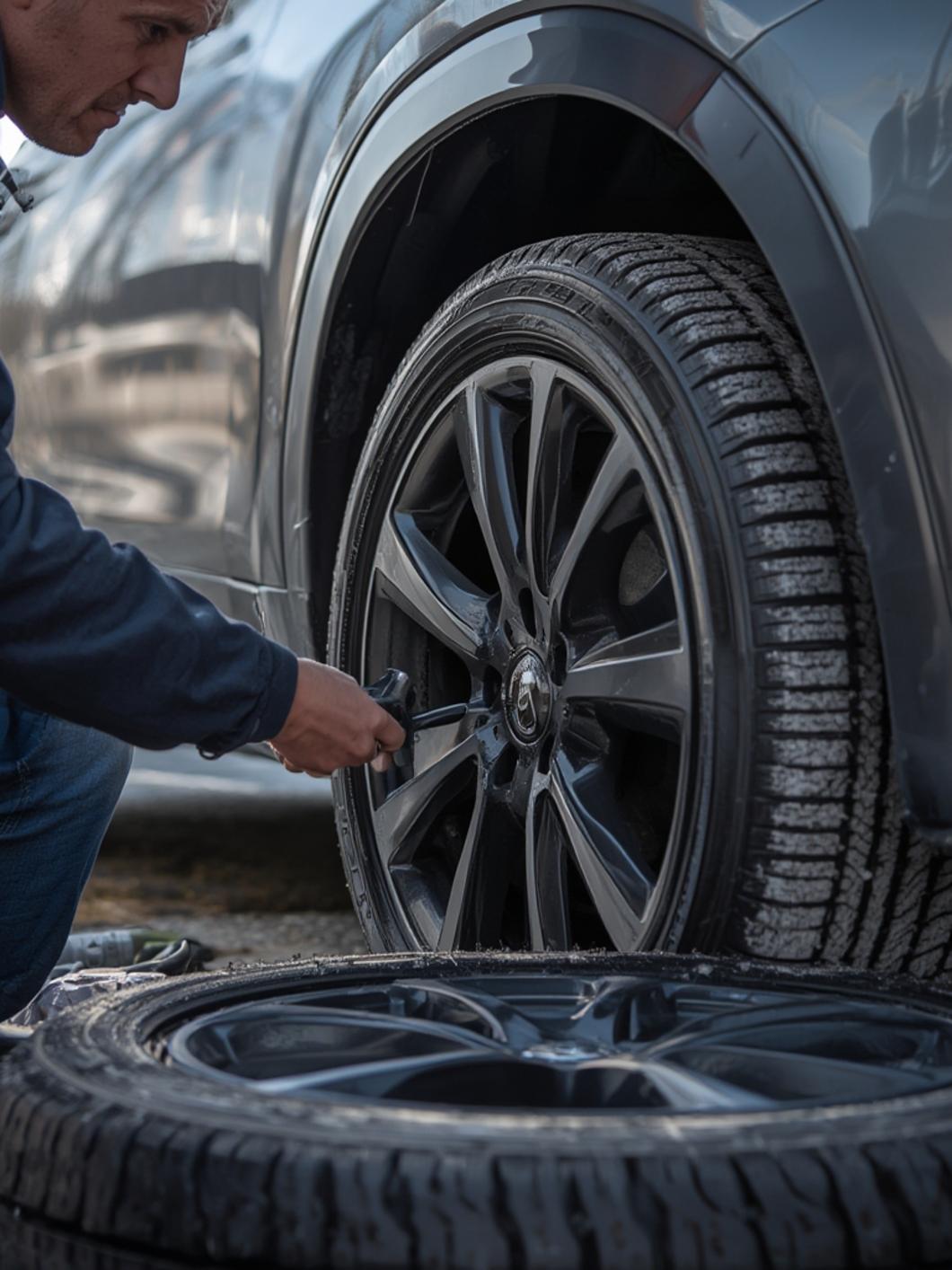
1. Prepare your vehicle
– Park on a flat, level surface
– Apply parking brake and chock wheels opposite to the one being changed
– Loosen lug nuts while tire is still on the ground
2. Jack up the vehicle
– Locate proper jacking points in your owner’s manual
– Raise vehicle until the tire is completely off the ground
– Place jack stand for additional safety
3. Remove wheel and prepare mounting surface
– Remove lug nuts completely and store them securely
– Clean hub surface with wire brush to remove rust or debris
– Inspect brake components while accessible
4. Mount snow tires and rims
– Apply thin coat of anti-seize to hub center (not threads)
– Align wheel with mounting studs and push into place
– Hand-tighten lug nuts in star pattern
5. Lower vehicle and torque properly
– Lower vehicle until tire contacts ground but bears no weight
– Tighten lug nuts to manufacturer specifications using torque wrench
– Complete in star pattern for even pressure
6. Check winter wheel packages periodically
– Re-torque lug nuts after 50-100 miles of driving
– Monitor tire pressure weekly, especially during temperature fluctuations
Benefits / Advantages
– Superior traction: Winter tires provide up to 50% more traction on snow and ice
– Shorter stopping distances: Reduces braking distance by up to 30% compared to all-season tires
– Better handling: Specialized tread patterns improve cornering stability
– Reduced risk: Significantly lowers chance of accidents in winter conditions
– Preserves all-season tires: Extends the life of your regular tires by not exposing them to harsh winter conditions
– Peace of mind: Confidence in driving during challenging weather conditions
Tips, Alternative Methods, or Driving Advice
– Consider dedicated steel rims for winter tires to protect aluminum alloy wheels from salt and corrosion
– If budget is tight, prioritize winter tires for the drive wheels (front for FWD, rear for RWD)
– Store unmounted tires flat; mounted tires stacked or hanging
– Adjust driving habits with winter tires: allow greater following distance and gentle inputs
– Consider studded tires for extreme ice conditions where legally permitted
– TPMS sensors may require professional installation on newer vehicles
Common Mistakes to Avoid
1. Installing too late or removing too early – Winter tires aren’t just for snow but perform better in all cold conditions
2. Improper torquing – Over or under-tightening lug nuts can lead to wheel damage or detachment
3. Mixing tire types – Using winter tires with other types creates dangerous handling imbalances
4. Ignoring pressure changes – Cold temperatures reduce pressure; check frequently
5. Skipping rotation – Winter tires should still be rotated for even wear
Storage / Maintenance Tips
– Clean tires thoroughly before storage to remove road grime and salt
– Store in cool, dry location away from direct sunlight, heat sources, and ozone-producing equipment
– Consider tire totes or breathable covers to protect from dust and contaminants
– Mark tire position before storage (e.g., “FR” for front right) for proper rotation next season
– Store at proper inflation pressure (about 10 PSI lower than operating pressure)
– Store mounted wheels stacked or hanging; unmounted tires should be stored upright or flat
Conclusion
Proper installation and maintenance of snow tires and rims is a crucial investment in your winter driving safety. By following these guidelines, you’ll maximize the performance and longevity of your winter wheel packages while significantly reducing your risk on winter roads. Remember that the few hours spent changing and maintaining your winter tires twice a year is minimal compared to the safety benefits they provide. Consider documenting your winter tire change process to make it even easier next season, and don’t hesitate to consult a professional if you encounter any challenges during installation.
FAQs
How much do winter tires improve stopping distance?
Winter tires can reduce stopping distances by 30-40% on snow and ice compared to all-season tires, potentially cutting your stopping distance from 180 feet to about 110 feet at 30 mph on snow-covered roads.
Can I use winter tires year-round?
Not recommended. Winter tire compounds wear extremely quickly in warm temperatures, handling is compromised in dry conditions, and fuel economy decreases due to increased rolling resistance.
Do I need TPMS sensors for my winter wheels?
Many newer vehicles require TPMS sensors in all wheels. While some jurisdictions allow temporary use without them, the warning light will remain on, and you’ll lose the safety benefit of pressure monitoring.
What’s the difference between snow tires and all-weather tires?
Snow tires have deeper treads, special rubber compounds that stay flexible in freezing temperatures, and aggressive tread patterns specifically designed for snow and ice. All-weather tires compromise performance in extreme conditions for year-round usability.
Should I get studded or studless winter tires?
Studded tires provide superior traction on ice but are louder, damage road surfaces, and are banned in some areas. Modern studless winter tires perform nearly as well on ice and better in other conditions.