
When to Put On Winter Tires: Best Time Using the 7°C Rule
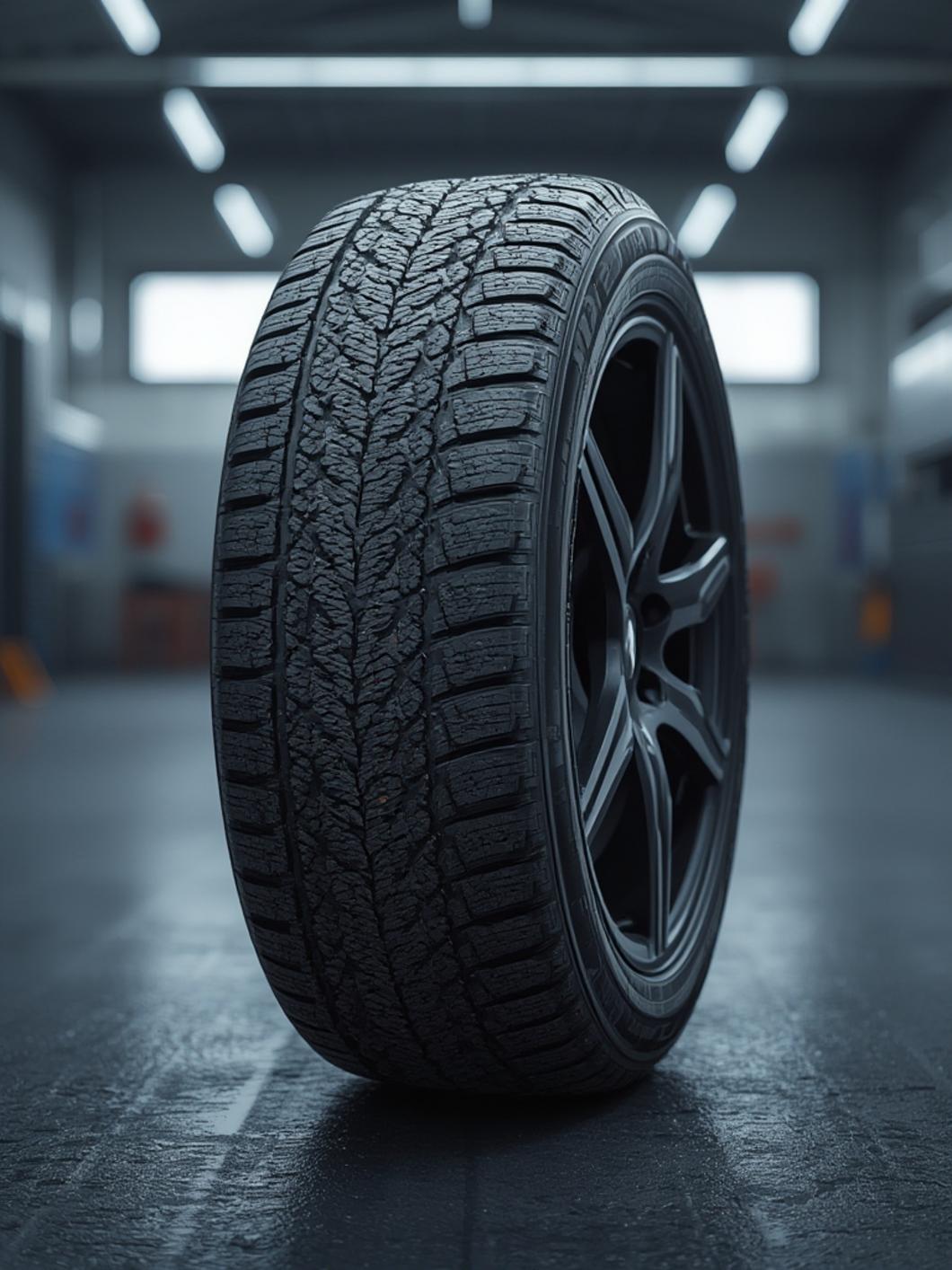
Have you ever found yourself skidding on a slippery winter road and wondering if you should have switched to winter tires earlier? Making the transition at the right time isn’t just about following a calendar date it’s about ensuring your safety during challenging winter driving conditions. Understanding when to put on winter tires and proper winter tire change timing can make all the difference between a safe journey and a dangerous situation.
Table of Contents
This guide will walk you through everything you need to know about winter tire installation to keep you and your family secure during the cold months.
Materials & Supplies
To properly change to winter tires, you’ll need:
1. Jack and jack stands – Essential for lifting your vehicle safely
2. Lug wrench – For removing and tightening lug nuts
3. Torque wrench – Ensures proper tightening to manufacturer specifications
4. Tire pressure gauge – To check and adjust tire pressure
5. Gloves – Protects hands during the change
6. Winter tires – Properly sized for your vehicle
7. Air compressor (optional) – For adjusting tire pressure at home
8. Wheel chocks – Prevents vehicle movement during the change
9. Anti-seize lubricant (optional) – Prevents lug nuts from seizing
10. Tire marker – To mark tire position for rotation next season
Having these supplies ready before the temperature drops ensures you won’t be scrambling when winter weather arrives unexpectedly.
Timing / Inspection Schedule
The general rule of thumb is to install winter tires when temperatures consistently fall below 7°C (45°F). This typically occurs:
- Northern regions: Early to mid-October
- Central regions: Late October to early November
- Southern regions: Mid to late November (if needed at all)
Don’t wait for the first snowfall—winter tires provide superior traction even on cold, dry pavement. Rubber compounds in all-season tires harden in cold temperatures, reducing grip, while winter tires remain flexible.
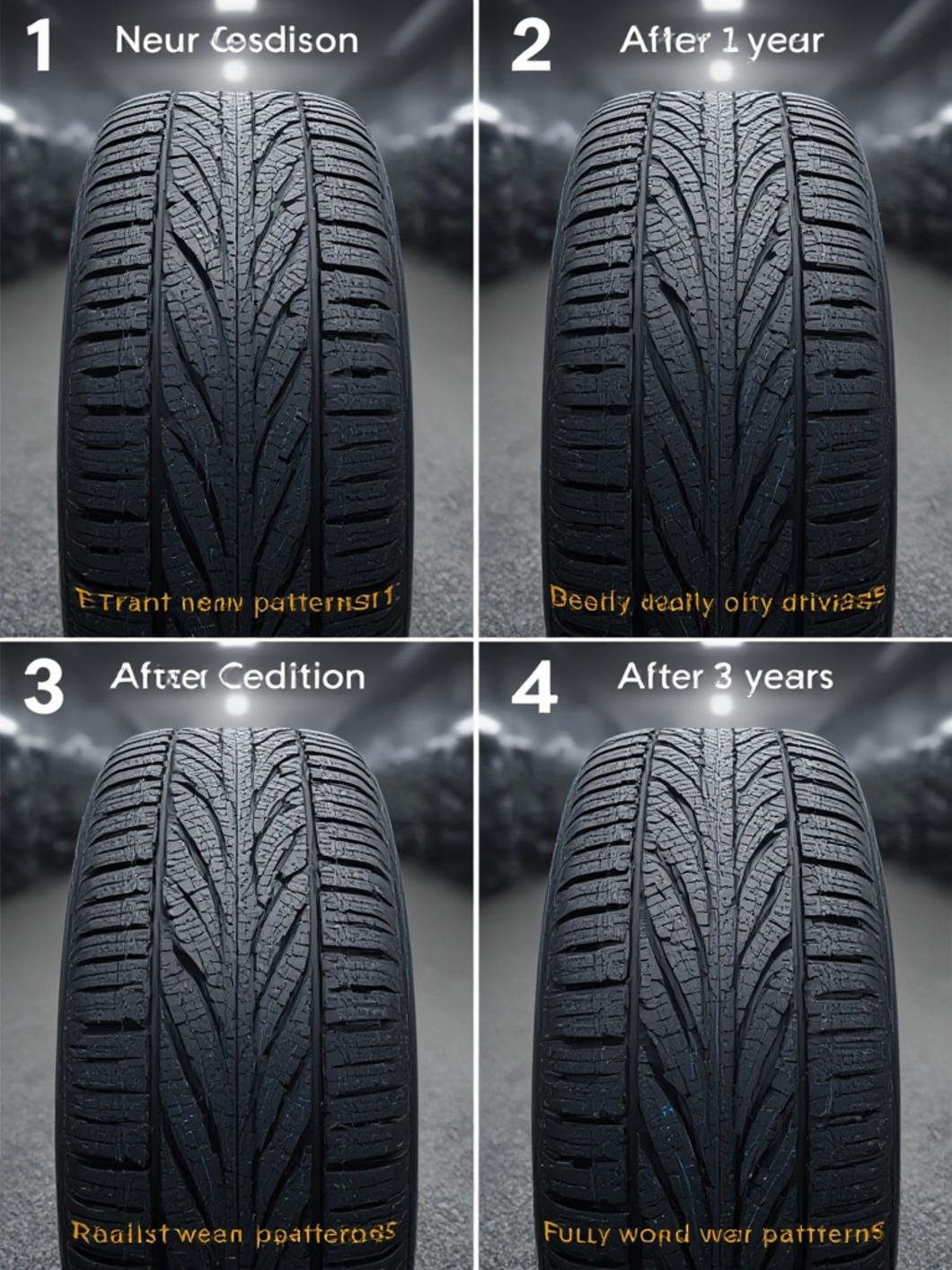
Check your tires’ tread depth before installation. Winter tires should have at least 6/32″ of tread depth to be effective in snow. Most new winter tires start with 10/32″ to 12/32″ of tread.
Step-by-Step Instructions
1. Select the right winter tires: Choose tires with the mountain/snowflake symbol, which indicates they meet specific winter performance requirements.
2. Purchase early: Don’t wait until the first snowfall to buy winter tires. Knowing when to put on winter tires means planning ahead—usually 3-4 weeks before you need them.
3. Prepare your vehicle: Park on a level surface, apply the parking brake, and chock the wheels.
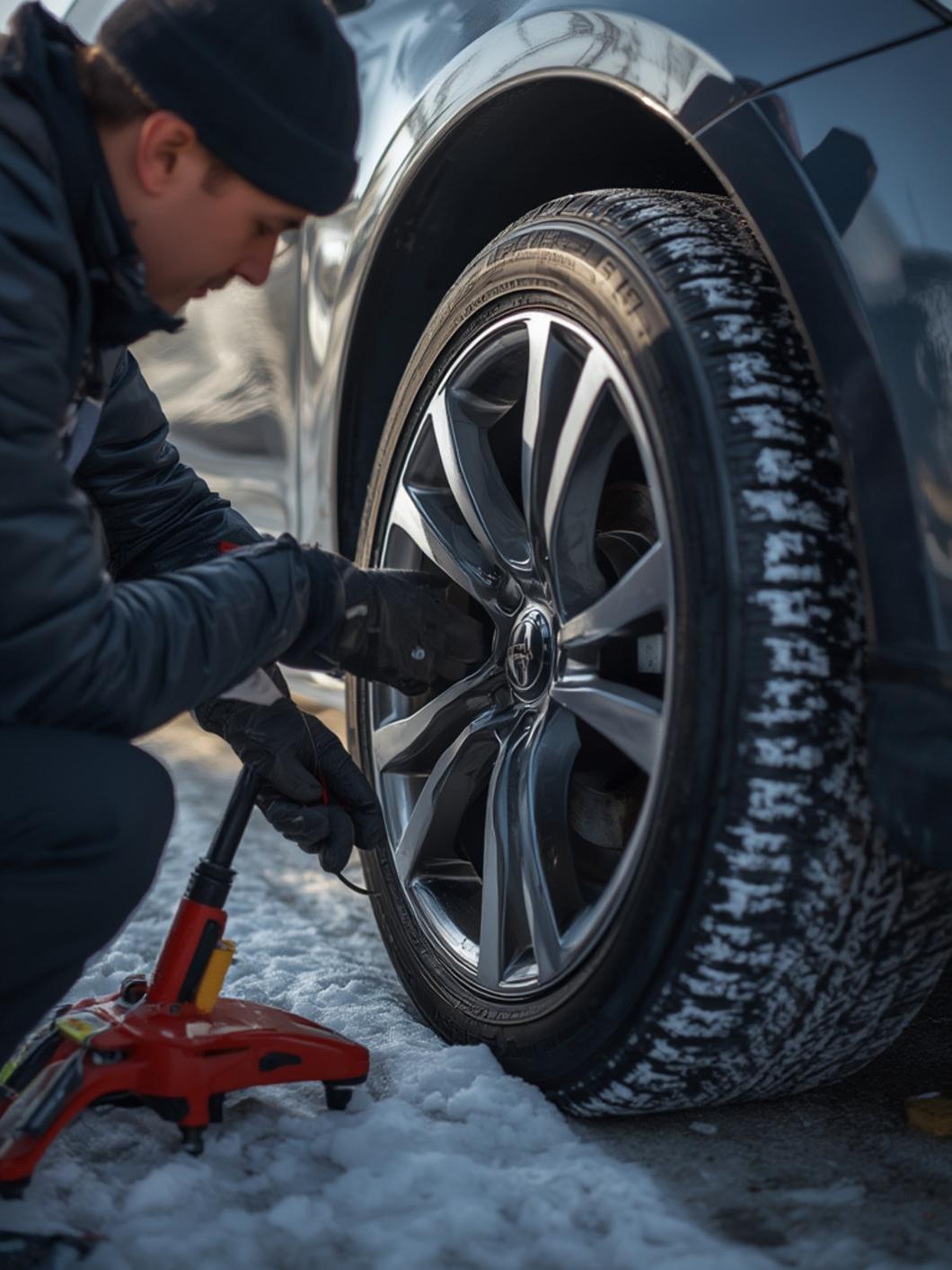
4. Loosen lug nuts: Break the tension on the lug nuts before raising the vehicle.
5. Jack up the vehicle: Raise one corner at a time and secure with jack stands.
6. Remove wheels: Take off the lug nuts and remove the wheel.
7. Install winter tires: Mount the winter tire and hand-tighten the lug nuts.
8. Lower vehicle: Carefully lower the vehicle and tighten lug nuts in a star pattern.
9. Check torque: Use a torque wrench to tighten to manufacturer specifications.
10. Check pressure: Ensure all tires are inflated to the recommended pressure.
Consider your local climate and driving conditions when determining your winter tire change timing. Mountain regions may require earlier installation than urban areas.
Benefits / Advantages
Switching to winter tires at the appropriate time offers numerous benefits:
- Improved traction: Up to 50% better grip on snow and ice compared to all-season tires
- Shorter braking distances: Up to 30-40% reduction in stopping distance on snow
- Enhanced handling: Better control during cornering and emergency maneuvers
- Reduced risk of accidents: Lower chance of sliding, skidding, or losing control
- Extended tire life: Seasonal changes prolong the lifespan of both tire sets
- Peace of mind: Confidence in challenging winter conditions
Tips, Alternative Methods, or Driving Advice
- Install complete sets: Always install four winter tires, not just two on the drive wheels
- Consider studded options: For areas with frequent ice, studded tires provide additional grip
- Maintain proper pressure: Cold weather reduces tire pressure, so check monthly
- Drive smoothly: Gentle acceleration, braking, and steering improve winter safety
- Increase following distance: Allow 8-10 seconds between vehicles in snowy conditions
- Consider all-weather tires: A compromise option for milder winter regions
Common Mistakes to Avoid
- Waiting too long: Delaying installation until after the first snowfall
- Using worn winter tires: Relying on tires with less than 6/32″ tread depth
- Improper storage: Storing removed tires in poor conditions
- Skipping rotation: Failing to rotate winter tires mid-season
- Ignoring pressure: Not adjusting tire pressure for cold temperatures
- Using winter tires year-round: Excessive wear in warm weather conditions
Storage / Maintenance Tips
When not in use, store your off-season tires:
- Clean thoroughly before storage
- Place in tire bags or wrap in plastic
- Store in cool, dry locations away from direct sunlight
- Stack horizontally or hang vertically
- Keep away from ozone-producing equipment
- Consider tire racks for proper storage
Throughout winter, check tire pressure monthly and rotate tires halfway through the season for even wear.
Conclusion
Determining when to put on winter tires doesn’t need to be complicated—focus on temperature trends rather than calendar dates. Proper winter tire change timing is essential for maximizing safety and performance during cold weather. By installing winter tires before temperatures consistently drop below 7°C, you’ll be prepared for whatever winter brings. Remember that the investment in winter tires and seasonal changes pays dividends in safety, performance, and long-term tire life.
Have you experienced the difference winter tires make in your driving confidence? Share your experiences in the comments below!
FAQs
How long do winter tires typically last?
With proper care, winter tires typically last 3-4 seasons, depending on driving conditions and mileage.
Can I use winter tires year-round?
It’s not recommended. Winter tires wear quickly in warm weather and provide less optimal handling and fuel efficiency in summer conditions.
Is it okay to mix winter tires with all-season tires?
No. Always install a complete set of four matching winter tires for balanced handling and traction.
When should I remove winter tires?
Remove winter tires when temperatures consistently stay above 7°C (45°F), typically in spring.
Are winter tires worth the investment?
Absolutely. The improved safety and control in winter conditions, plus the extended life of your regular tires, justify the cost for anyone experiencing true winter conditions.