
Top rated 5 winter tire and wheel packages
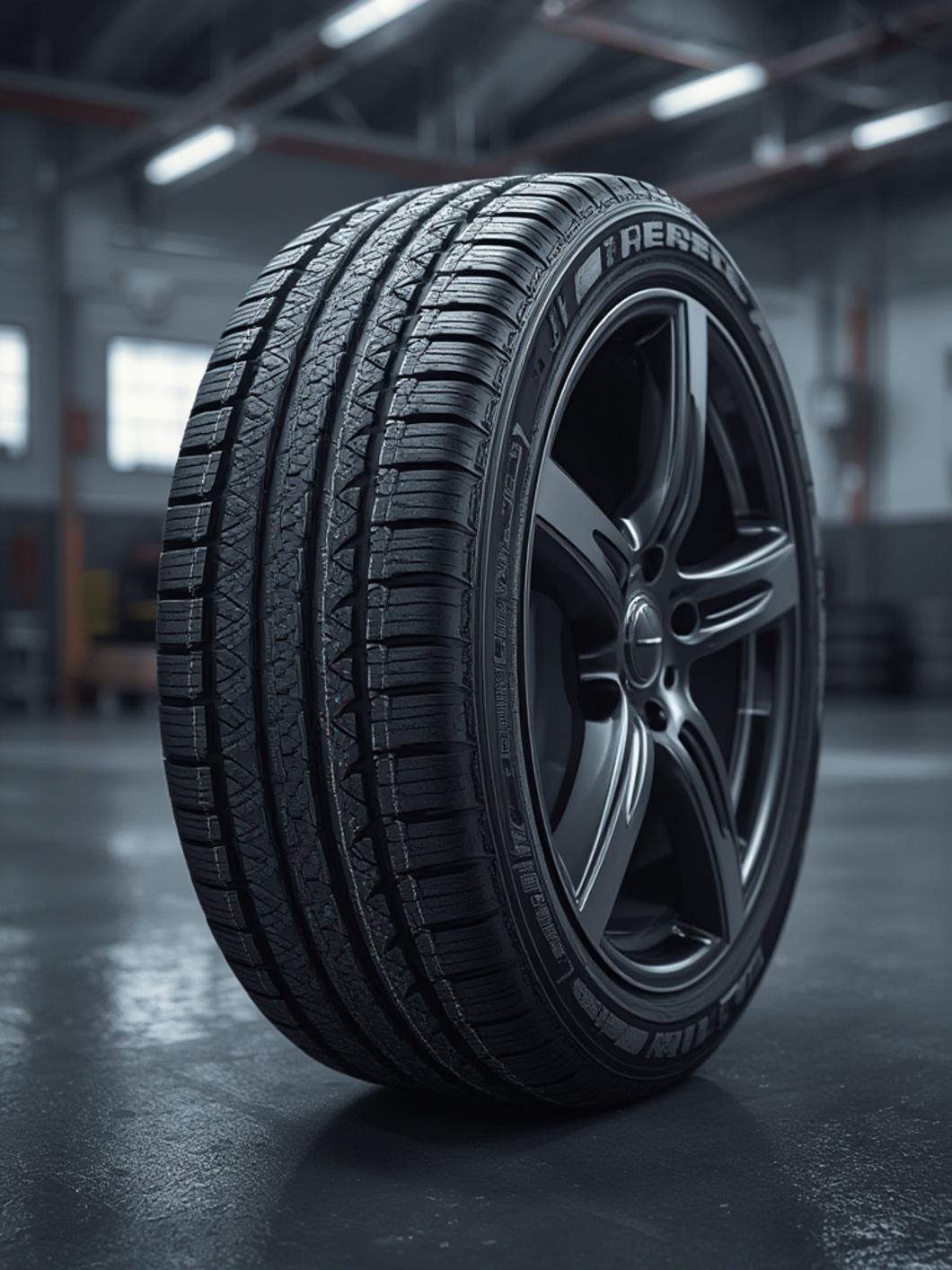
Are you prepared for the challenges that winter driving brings? As temperatures drop and road conditions become treacherous, having the right tires on your vehicle becomes crucial for safety and performance. Many drivers overlook the importance of proper winter tire maintenance, risking their safety and potentially costly repairs. Investing in quality winter tire and wheel packages can significantly improve your vehicle’s handling on snow and ice, while keeping an eye on winter wheel package deals can help you stay prepared without breaking the bank. Let’s explore how to keep your winter tires in optimal condition throughout the cold season.
Table of Contents
Materials & Supplies
To properly maintain your winter tires, you’ll need:
1. Tire Pressure Gauge – A digital gauge provides more accurate readings than analog versions
2. Portable Air Compressor – For adjusting tire pressure in your garage or driveway
3. Jack and Jack Stands – Essential for safe tire rotation and inspection
4. Torque Wrench – Ensures lug nuts are tightened to manufacturer specifications
5. Tread Depth Gauge – Measures remaining tread life (winter tires need at least 6/32″ of tread)
6. Tire Brush – For cleaning debris from tire treads and sidewalls
7. Safety Gloves – Protects hands during maintenance
8. Tire Shine Product (Optional) – Helps prevent dry rot and cracking
9. Chalk or Tire Crayon – For marking tire position during rotation
Timing / Inspection Schedule
Winter tire maintenance should follow this schedule:
– Pre-Winter Inspection – Complete a thorough check before temperatures drop below 45°F (7°C)
– Weekly Pressure Checks – Cold temperatures cause pressure loss of approximately 1 PSI for every 10°F drop
– Bi-Weekly Tread Inspection – Check for unusual wear patterns or foreign objects
– Monthly Rotation Assessment – Determine if rotation is needed (typically every 5,000 miles)
– Mid-Season Check – Comprehensive inspection halfway through winter
– End-of-Season Evaluation – Inspect before storage to address any issues
Compared to all-season tires, winter tires require more frequent pressure checks due to their specialized rubber compounds that are more sensitive to temperature changes.
Step-by-Step Instructions
1. Check Tire Pressure
– Verify when tires are cold (vehicle hasn’t been driven for at least 3 hours)
– Find the recommended PSI on the driver’s door jamb sticker, not the tire sidewall
– Add air gradually, rechecking frequently to avoid overfilling
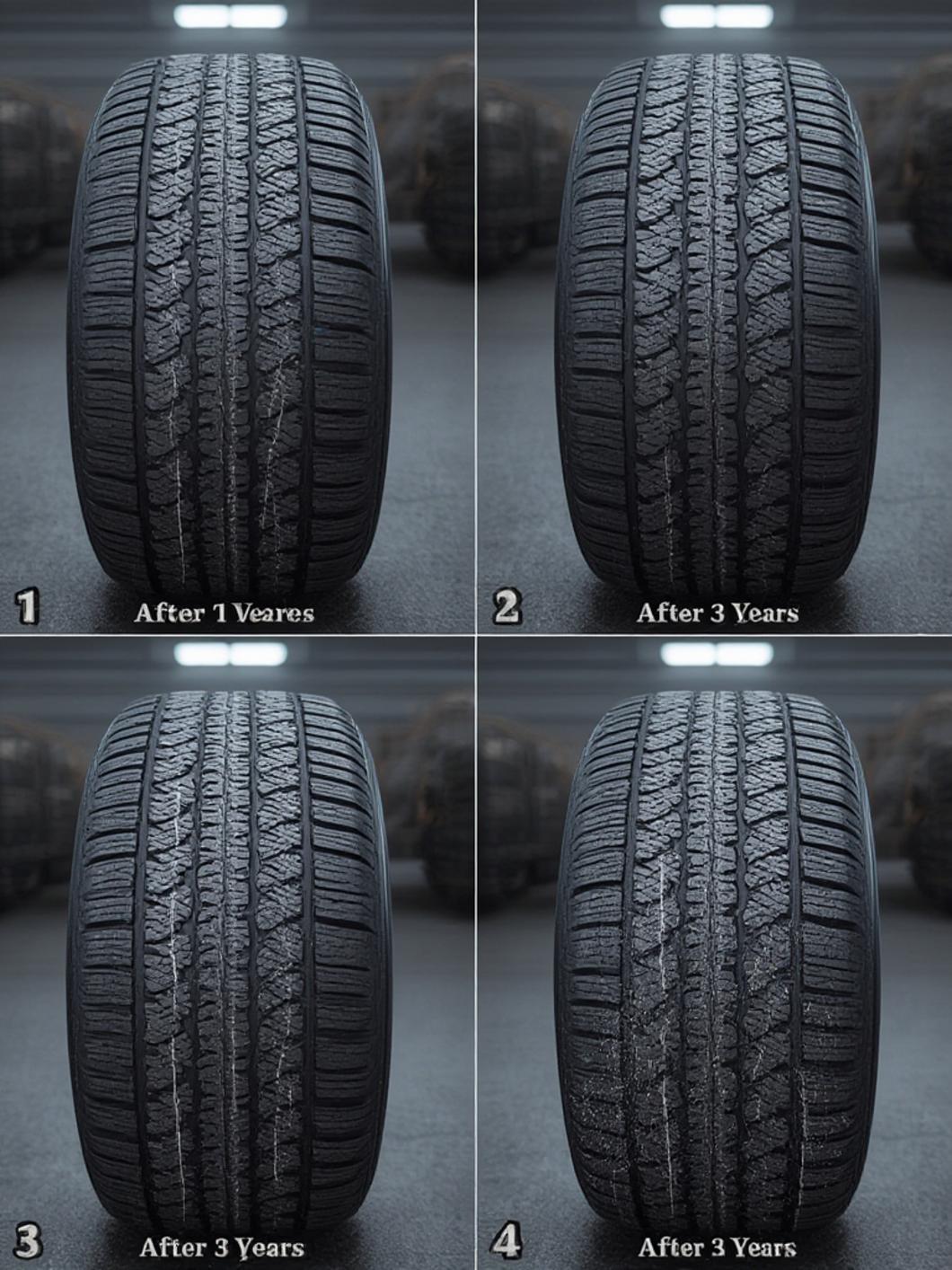
2. Inspect Tread Depth
– Use a tread depth gauge to ensure at least 6/32″ remains
– Check across the entire width of the tire, not just the center
– Look for the “winter wear bars” that indicate minimum safe tread
3. Clean Tires Regularly
– Remove slush, salt, and debris from treads and sidewalls
– Pay special attention to siping (small slits in tread blocks) which enhance snow traction
– Avoid harsh chemicals that can damage rubber compounds
4. Rotate Tires
– Switch positions every 5,000 miles to ensure even wear
– Follow the correct pattern for your vehicle (front-wheel, rear-wheel, or all-wheel drive)
– Record the date and mileage after each rotation
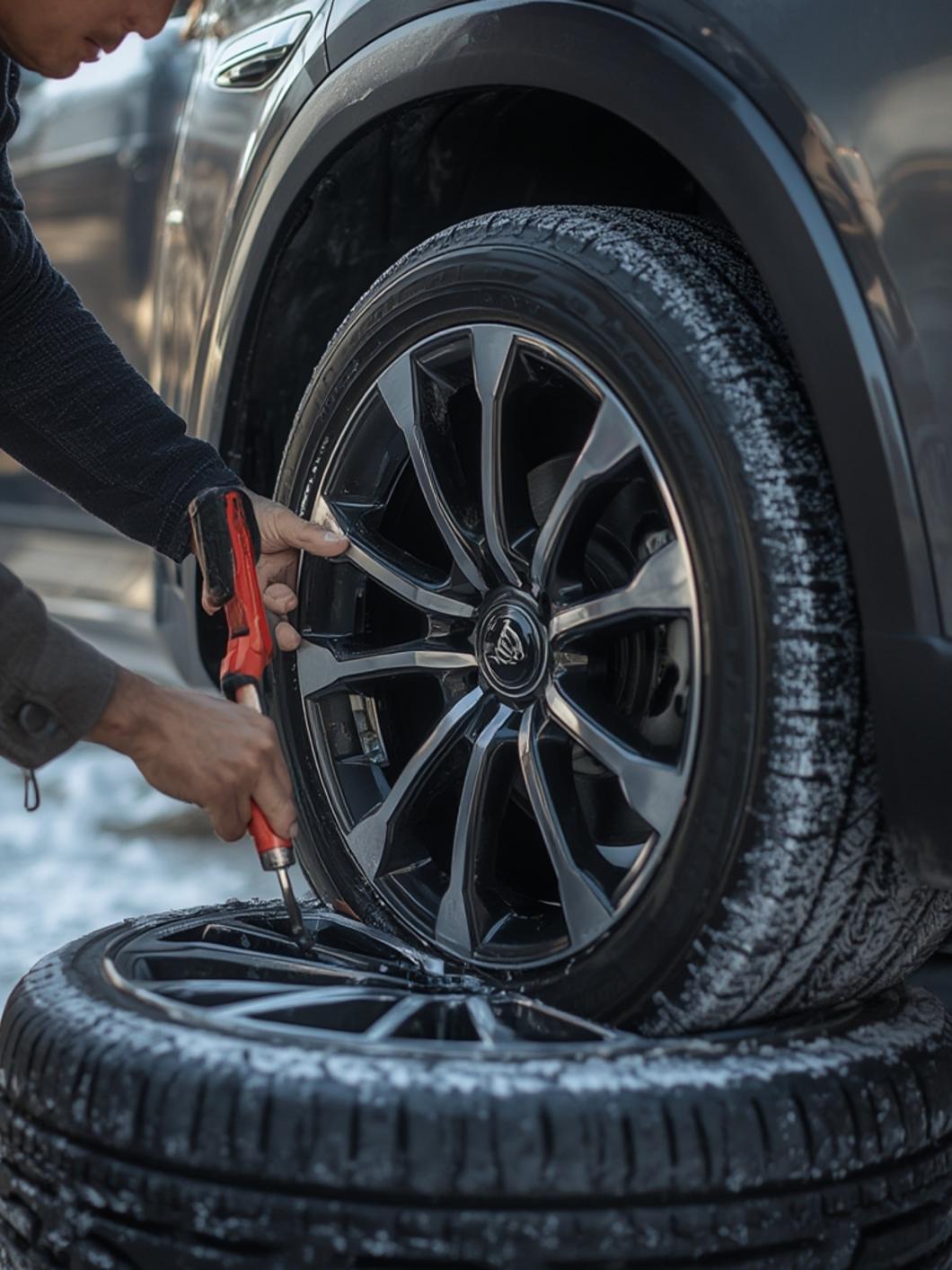
If you’ve invested in winter tire and wheel packages, make sure to keep track of your wheel specifications and torque requirements during each rotation. Many winter wheel package deals include wheels made of different materials than your stock wheels, which may require different maintenance approaches.
Benefits / Advantages
Proper winter tire maintenance provides numerous benefits:
– Enhanced Safety – Well-maintained winter tires can reduce braking distance on ice by up to 30%
– Extended Tire Life – Regular rotation and pressure checks can double the lifespan of your winter tires
– Improved Fuel Economy – Properly inflated tires can improve fuel efficiency by 3-4%
– Better Handling – Proper maintenance ensures consistent grip and handling in varying conditions
– Cost Savings – Preventive maintenance is far less expensive than replacing prematurely worn tires
Tips, Alternative Methods, or Driving Advice
– Consider Studded Options – For extreme ice conditions, studded winter tires provide maximum traction
– Adjust Driving Style – Reduce speed and increase following distance even with the best winter tires
– Regional Considerations – In areas with fluctuating winter temperatures, all-weather tires might be a better year-round option
– Storage Solutions – Store unmounted winter tires in tire bags in a climate-controlled environment
– Nitrogen Inflation – Consider nitrogen inflation for more stable pressure in fluctuating temperatures
Common Mistakes to Avoid
1. Mixing Tire Types – Never mix winter and all-season tires on the same vehicle
2. Ignoring Alignment Issues – Poor alignment causes premature and uneven tire wear
3. Waiting Too Long – Installing winter tires after the first snowfall is too late
4. Overinflating – Following the maximum PSI on the tire sidewall instead of the vehicle recommendation
5. Improper Storage – Stacking unmounted tires without tire bags leads to rubber degradation
Storage / Maintenance Tips
– Store unmounted tires flat (horizontal), not standing
– Keep mounted tire-wheel assemblies stacked or hung on proper racks
– Store in a cool, dry place away from direct sunlight and ozone sources
– Apply tire protectant before storage to prevent dry rot
– Place tires in airtight tire storage bags to prevent rubber oxidation
– Label each tire with its previous position to aid in rotation patterns
Conclusion
Proper winter tire maintenance is essential for maximizing safety and performance during challenging winter driving conditions. By following this comprehensive guide, you’ll not only extend the life of your tires but also ensure optimal handling and braking performance when you need it most. Remember that even the highest quality winter tire and wheel packages require regular maintenance to perform at their best. Keep an eye out for seasonal winter wheel package deals to stay prepared for next season. Share your winter tire experiences in the comments below, and drive safely this winter!
FAQs
Q: How much tread depth do winter tires need?
A: Winter tires should have at least 6/32″ of tread depth for adequate snow traction, compared to 2/32″ for the legal minimum on regular tires.
Q: Can I use winter tires year-round?
A: No, winter tires wear rapidly in warm temperatures due to their softer rubber compounds, potentially reducing their lifespan by 60% if used in summer.
Q: How do I know when my winter tires need replacement?
A: Replace winter tires when tread depth reaches 6/32″, if sidewalls show cracks, or if tires are more than 6 years old regardless of tread depth.
Q: Should I get wheels with my winter tires or just the tires?
A: Dedicated wheels for winter tires (a complete package) reduce mounting/dismounting costs, prevent potential wheel damage, and make seasonal changeovers quicker.
Q: Are “all-weather” tires the same as winter tires?
A: No, all-weather tires are a compromise between all-season and winter tires. They carry the three-peak mountain snowflake symbol but typically don’t perform as well as dedicated winter tires in severe conditions.