
How to choose 3 dunlop dirt bike tire features
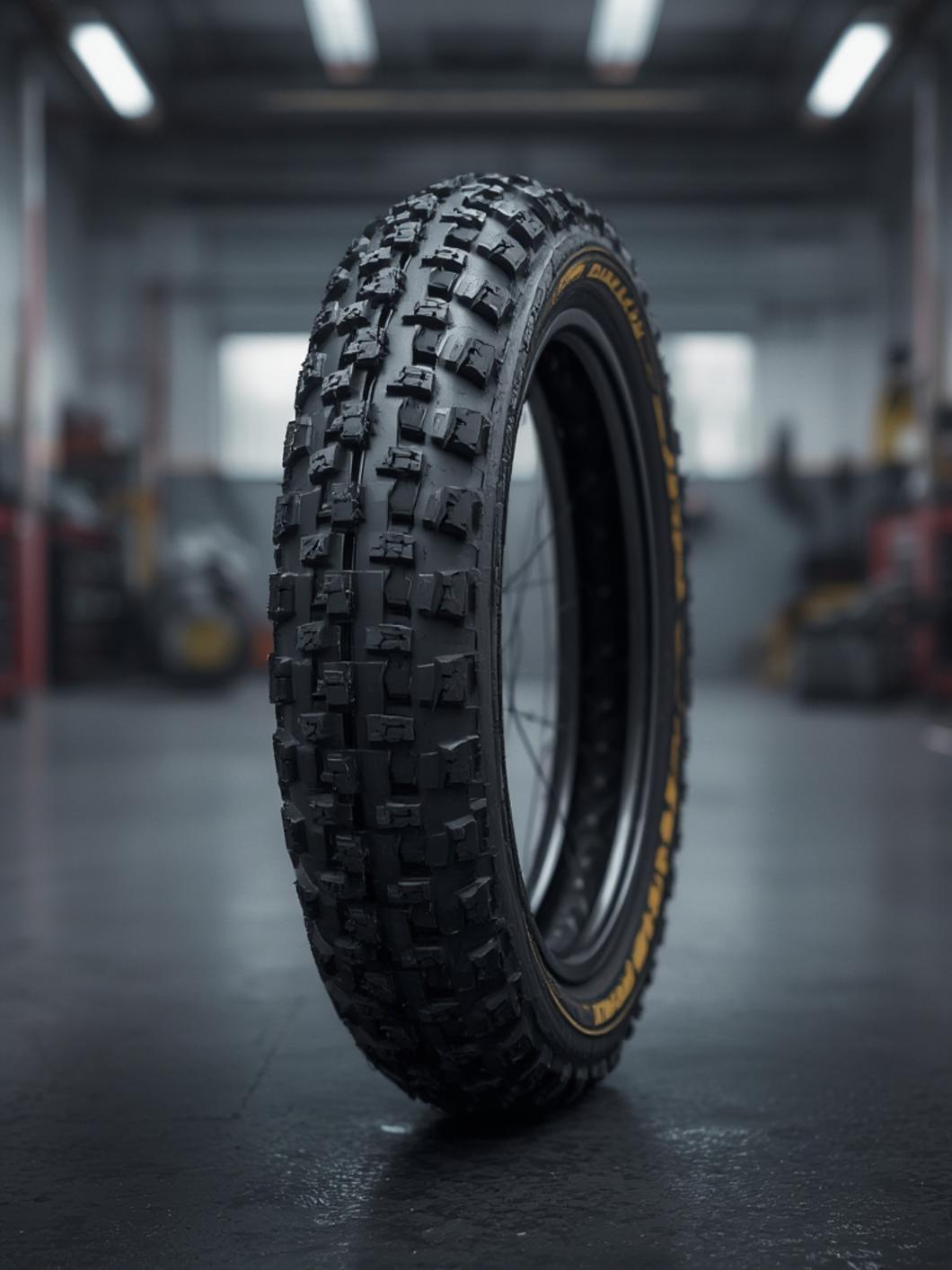
Have you ever found yourself on a muddy trail with a compromised dirt bike tire that ruined your riding experience? Proper tire maintenance is essential for any off-road enthusiast looking to maximize performance and safety. A quality dunlop dirt bike tire can provide exceptional traction and durability, but only when properly maintained. Similarly, motocross tires require specific care routines to ensure they perform optimally during those high-flying jumps and sharp turns. Taking the time to maintain your off-road tires at home not only saves money but also ensures you’re always ready for your next adventure.
Table of Contents
Materials & Supplies
To properly maintain your dirt bike tires, you’ll need:
1. Tire pressure gauge – Preferably a digital one for accurate readings
2. Portable air compressor – Look for one with adequate PSI for dirt bike tires
3. Tire spoons/levers – Essential for tire removal and installation
4. Valve core tool – For removing valve cores when necessary
5. Tire bead lubricant – Helps with tire mounting and dismounting
6. Cleaning supplies – Mild soap, water, and soft brushes
7. Tread depth gauge – For monitoring wear patterns
8. Tire sealant (optional) – For tubeless setups to prevent punctures
9. Wheel balancing beads (optional) – For smoother rides
10. Safety gloves – To protect your hands during maintenance
Timing / Inspection Schedule
Dirt bike tire maintenance should follow a regular schedule based on usage frequency:
- Before each ride: Check tire pressure and visual inspection
- After each ride: Clean tires and check for damage or embedded debris
- Every 10-15 riding hours: Detailed inspection of sidewalls, knobs, and overall wear
- Every 20-30 riding hours: Check spoke tension and wheel alignment
- Seasonally: Complete tire assessment, rotation if needed
Racing conditions require more frequent inspections than casual trail riding. During competition season, increase inspection frequency to before and after each event.
Step-by-Step Instructions
1. Check tire pressure
* Measure when tires are cold for accurate readings
* Follow manufacturer specifications for your specific dunlop dirt bike tire model
* Adjust pressure based on terrain (lower for soft terrain, higher for hard surfaces)
2. Clean thoroughly
* Remove all mud and debris with water
* Use mild soap for stubborn dirt
* Avoid harsh chemicals that can deteriorate rubber
3. Inspect for damage
* Check for cuts, punctures, and tears in the sidewalls
* Look for missing or worn knobs, especially on motocross tires
* Examine the bead area for proper seating
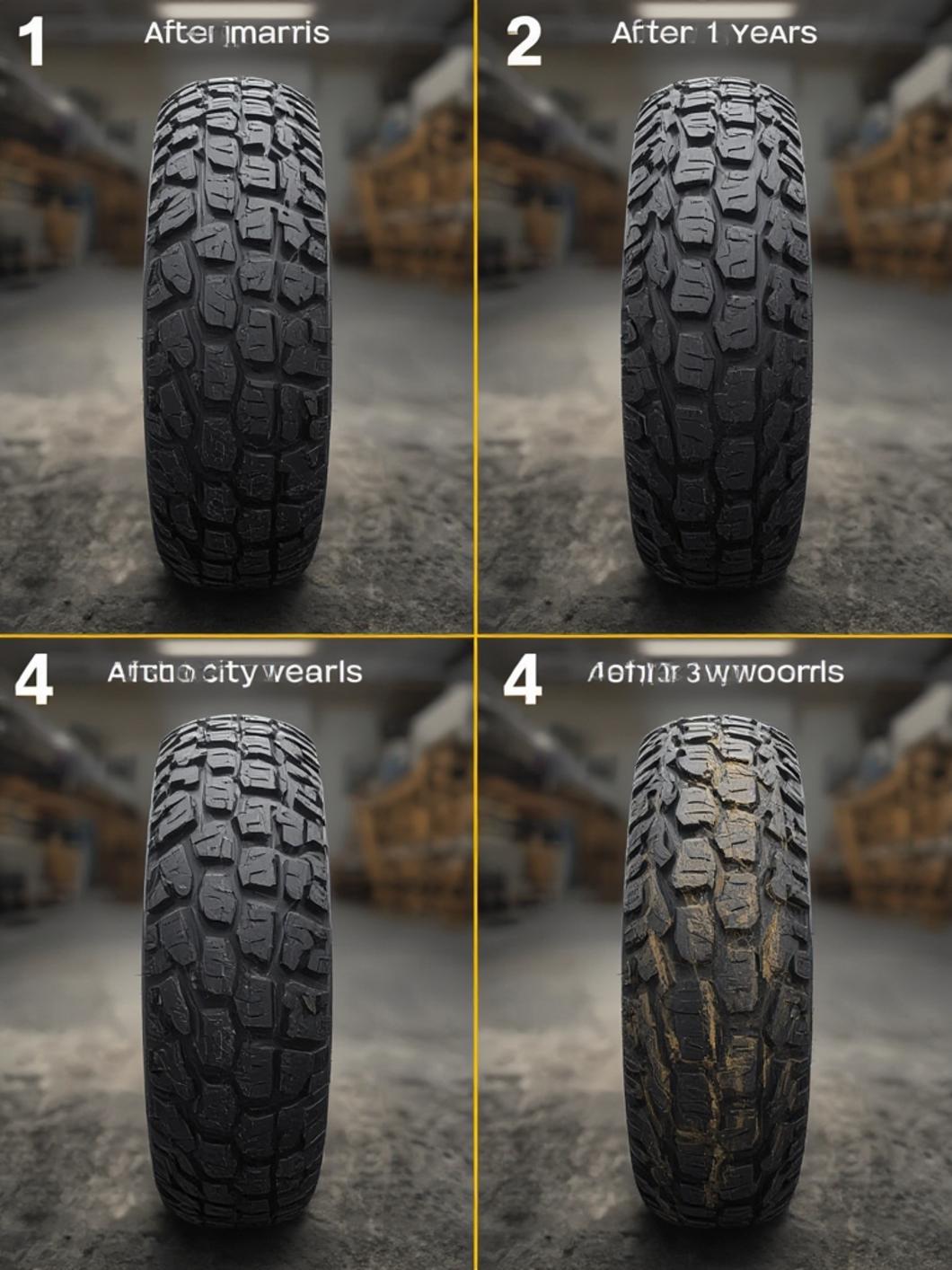
4. Rotate tires when necessary
* Front-to-rear rotation can extend tire life
* Always replace both tires if wear differences are significant
Benefits / Advantages
Proper dirt bike tire maintenance offers numerous advantages:
- Enhanced safety – Reduces blowout and control loss risks
- Improved traction – Maintains optimal grip in various terrains
- Extended tire lifespan – Saves money on premature replacements
- Consistent performance – Ensures predictable handling characteristics
- Fuel efficiency – Properly inflated tires require less engine power
- Reduced mechanical stress – Less strain on suspension and drivetrain components
Tips, Alternative Methods, or Riding Advice
- Terrain-specific setup: Adjust pressure by 1-2 PSI lower for sandy conditions
- Temperature considerations: Tire pressure increases during rides due to heat buildup
- Tire warmers: Consider using them for competitive racing to improve initial grip
- Storage technique: Store bikes with tires slightly overinflated and off the ground
- Tubeless conversion: Consider converting to tubeless for puncture resistance
- Rim protection: Use rim locks properly to prevent tire slippage
Common Mistakes to Avoid
1. Incorrect pressure – Never guess; always use a quality gauge
2. Ignoring slow leaks – Address even minor pressure drops immediately
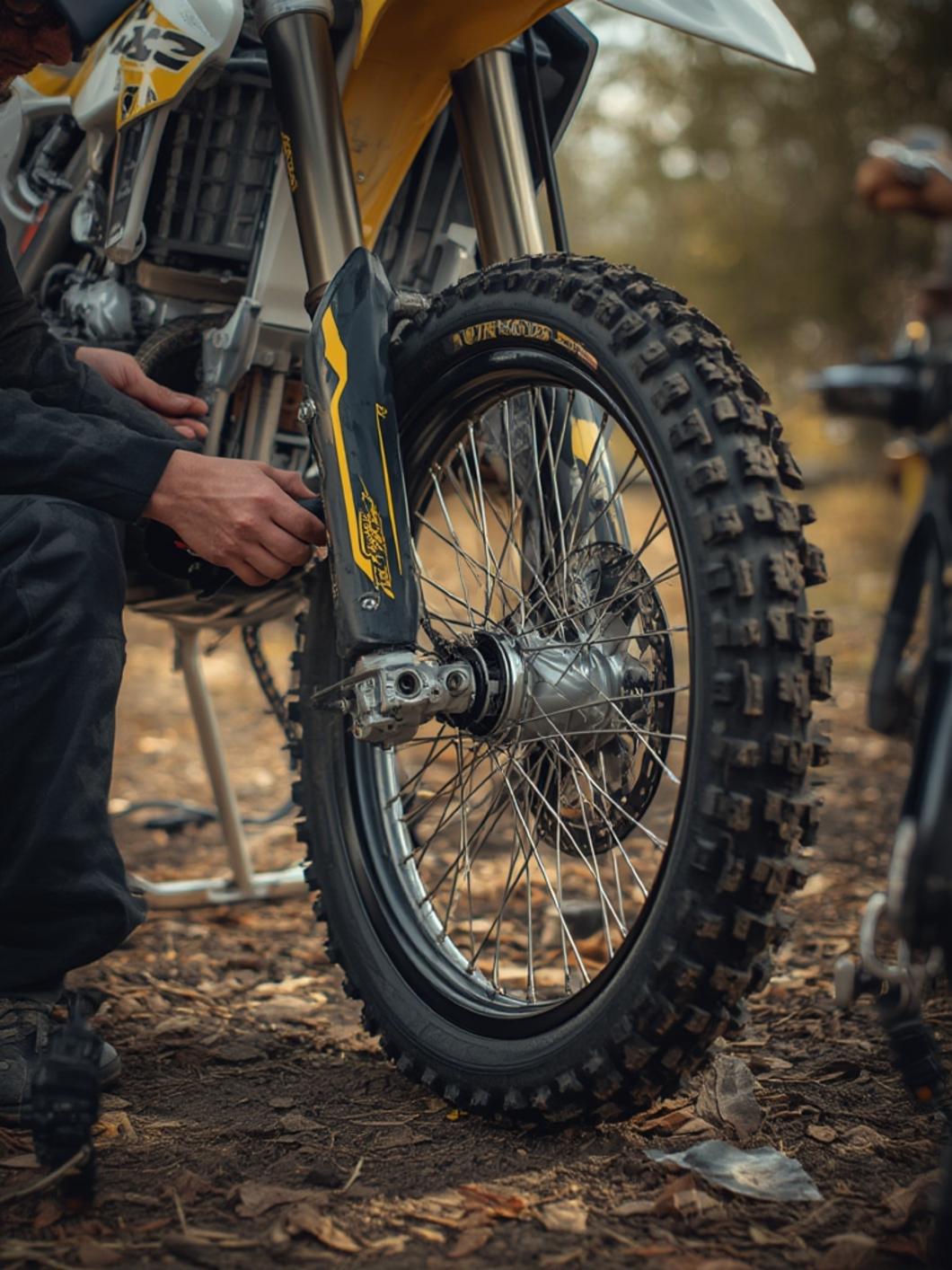
3. Using improper tools – Screwdrivers can damage beads and cause blowouts
4. Mixing tire types – Front and rear tires have different tread patterns for a reason
5. Over-cleaning – High-pressure washers can damage tire compounds
6. Ignoring age – Rubber deteriorates over time; replace tires older than 5 years
Storage / Maintenance Tips
- Elevate the bike on a stand to prevent flat spots
- Block UV exposure with tire covers when storing outdoors
- Maintain proper inflation even during storage periods
- Clean thoroughly before long-term storage
- Avoid contact with petroleum products, solvents, and oils
- Control humidity in storage areas to prevent rubber deterioration
Conclusion
Maintaining your dirt bike tires doesn’t require professional skills, just consistent attention and proper techniques. A well-maintained dunlop dirt bike tire will reward you with better performance, improved safety, and longer service life. Remember that motocross tires represent a significant investment in your riding experience, and proper maintenance protects that investment while enhancing your time on the trails. Take these maintenance routines seriously, and you’ll enjoy more confident, trouble-free riding adventures.
FAQs
How often should I replace my dirt bike tires?
Most dirt bike tires should be replaced after 15-30 riding hours for competitive racing or 80-100 hours for recreational riding, depending on terrain conditions and riding style.
Can I repair a punctured dirt bike tire?
Minor punctures in the tread area can often be repaired with tire plugs or sealant for tubeless setups. However, sidewall damage generally requires tire replacement for safety reasons.
What’s the ideal tire pressure for motocross racing?
Typically between 12-15 PSI, but always follow the manufacturer’s recommendations and adjust based on track conditions, rider weight, and personal preference.
Should I balance my dirt bike wheels?
While less critical than street motorcycles, balancing can improve performance at higher speeds. Consider using balancing beads for an easy DIY solution.
How do I break in new dirt bike tires?
Ride cautiously for the first 20-30 minutes, gradually increasing lean angles and acceleration. Some riders scuff the surface lightly with sandpaper to remove the release agent from manufacturing.