
Best performance: 6 vital tire speed ratingstire speed ratings
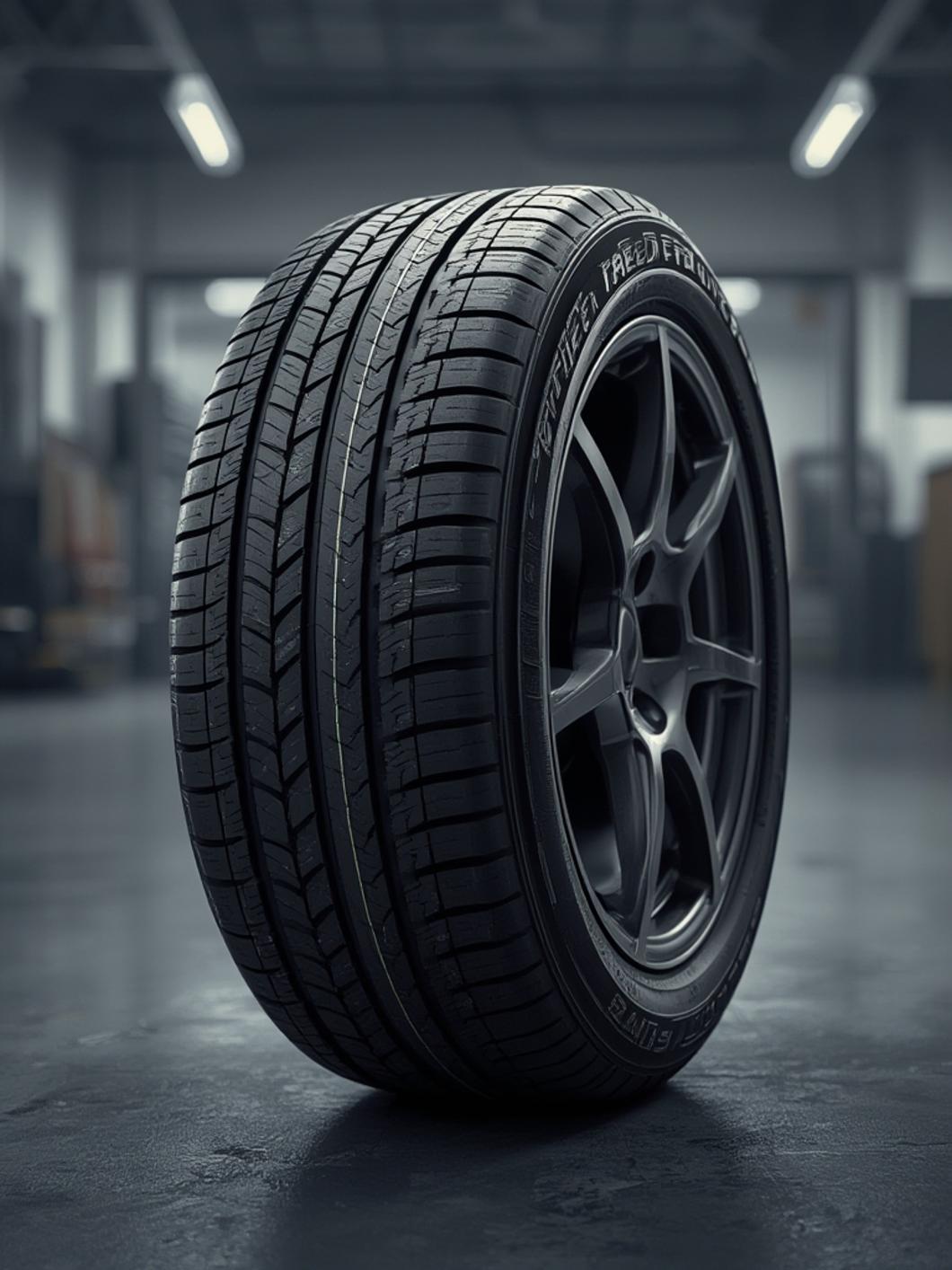
Have you ever wondered what those letters and numbers on your tire’s sidewall actually mean? The world of tire speed ratings and tire speed index can seem confusing at first, but understanding these crucial indicators is essential for your safety on the road.
Table of Contents
Proper knowledge of these ratings ensures you’re equipping your vehicle with tires that can handle your driving habits and environmental conditions. This comprehensive guide will walk you through everything you need to know about tire speed ratings and speed index, helping you make informed decisions for optimal vehicle performance and safety.
Materials & Supplies
To properly check and maintain your tires according to their speed ratings, you’ll need:
1. Tire pressure gauge – For regular pressure checks (digital models offer greater accuracy)
2. Air compressor or pump – To maintain proper inflation levels
3. Tread depth gauge – To monitor tread wear
4. Flashlight – For detailed sidewall inspection
5. Tire cleaning solution – For removing road grime to better see markings
6. Soft brush – For gentle cleaning
7. Notebook or app – To record maintenance history and readings
8. Owner’s manual – Contains vehicle-specific tire recommendations
9. Safety gloves – To protect hands during inspection and maintenance
Optional: A magnifying glass can be helpful for reading small print on tire sidewalls, especially for older drivers.
Timing / Inspection Schedule
For optimal performance and safety related to your tire’s speed capabilities:
- Monthly pressure checks – Essential for maintaining proper handling at all speeds
- Quarterly tread depth measurements – Critical for wet-weather performance
- Bi-annual professional inspection – Recommended for high-speed drivers
- Pre-road trip inspection – Always check before extended high-speed driving
- Seasonal changeovers – Different speed ratings may be appropriate for winter vs. summer driving
Drivers who frequently travel at highway speeds should check their tires more often than those who primarily drive in urban environments. Your tires’ ability to safely maintain their speed rating diminishes as they wear.
Step-by-Step Instructions
1. Locate your tire’s sidewall information
– Look for a code like “95H” where the letter indicates the tire speed ratings
2. Decode the speed rating letter
– S: Up to 112 mph
– T: Up to 118 mph
– H: Up to 130 mph
– V: Up to 149 mph
– Z, W, Y: 149+ mph (performance tires)
3. Understand the tire speed index number
– This numerical value (like “95”) represents load capacity
– Higher numbers indicate higher load capacity
4. Compare with vehicle requirements
– Check your owner’s manual for minimum recommended ratings
– Never install tires with lower ratings than recommended
5. Maintain proper inflation
– Underinflation significantly reduces a tire’s speed capability
– Check pressure when tires are cold for accuracy
Benefits / Advantages
- Safety assurance at higher speeds
- Improved handling performance
- Better heat resistance for highway driving
- Appropriate braking capabilities
- Confidence in emergency maneuvers
- Compatible performance with your vehicle’s design
- Prevention of catastrophic tire failure
- Proper insurance coverage (using incorrect ratings may void policies)
Tips, Alternative Methods, or Driving Advice
- Performance vehicles often require higher speed ratings
- All-season tires typically have S or T ratings
- Winter tires may have lower speed ratings but better cold-weather performance
- Consider your actual driving habits—don’t over-buy on speed rating
- Higher speed ratings often mean shorter tread life
- In multi-vehicle households, mark seasonal tires clearly to avoid mix-ups
- Speed ratings remain valid only with proper inflation and maintenance
Common Mistakes to Avoid
- Mixing different speed ratings on the same vehicle
- Ignoring load index when focusing on speed rating
- Assuming higher ratings always mean better quality
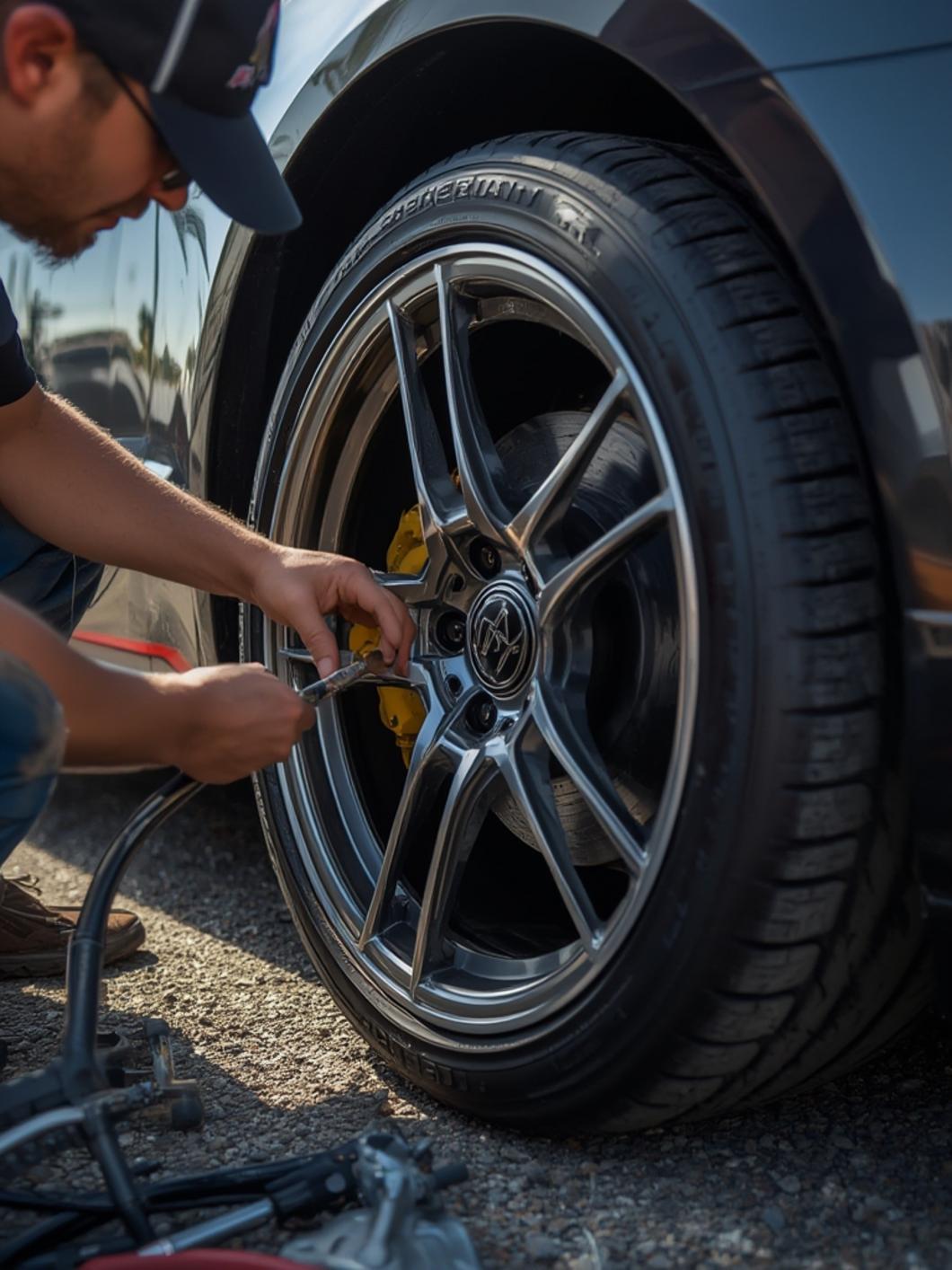
- Neglecting regular pressure checks, which compromise speed capabilities
- Installing lower-rated tires than vehicle specifications
- Exceeding the rated speed, even momentarily
- Failing to replace tires after sidewall damage
Storage / Maintenance Tips
- Store unused seasonal tires in cool, dry locations away from sunlight
- Keep tires off the ground on racks to prevent deformation
- Cover tires to protect from ozone damage
- Maintain inflation even during storage
- Clean and inspect sidewalls regularly for damage
- Rotate tires according to manufacturer recommendations
- Schedule professional balancing every 5,000-7,000 miles
- Replace tires when tread wear indicators appear, regardless of age
Conclusion
Understanding and respecting tire speed ratings and tire speed index isn’t just about technical compliance—it’s about ensuring your safety and maximizing your vehicle’s performance. By following the guidelines in this comprehensive guide, you’ll make more informed decisions when purchasing tires and maintain them properly for their entire service life. Remember that these ratings represent maximum capabilities under ideal conditions; always adjust your driving to match road conditions. Share your tire maintenance routine with others to promote road safety, and check our related posts for more automotive care tips.
FAQs
How do tire speed ratings affect fuel economy?
Higher-rated tires typically have stiffer construction and specialized compounds that can increase rolling resistance, potentially reducing fuel economy by 1-3% compared to standard tires.
Can I use different speed ratings on the front and rear tires?
No, this practice is dangerous and not recommended. Different speed ratings can cause unpredictable handling, especially during emergency maneuvers or at higher speeds.
Do tire speed ratings change as tires wear?
While the official rating doesn’t change, a tire’s ability to safely handle its rated speed decreases with wear. Always consider tread condition when driving at higher speeds.
Are Z-rated tires better than H-rated tires for everyday driving?
Not necessarily. Z-rated tires offer higher speed capabilities but may provide a firmer ride and wear faster. For typical driving, H-rated tires often offer a better balance of performance and comfort.
How do winter conditions affect tire speed ratings?
Winter conditions substantially reduce a tire’s speed capability. Even with properly rated tires, drivers should reduce speed in cold, wet, or icy conditions regardless of the tire’s rating.