
Best performance for how many miles are tires good for 40,000
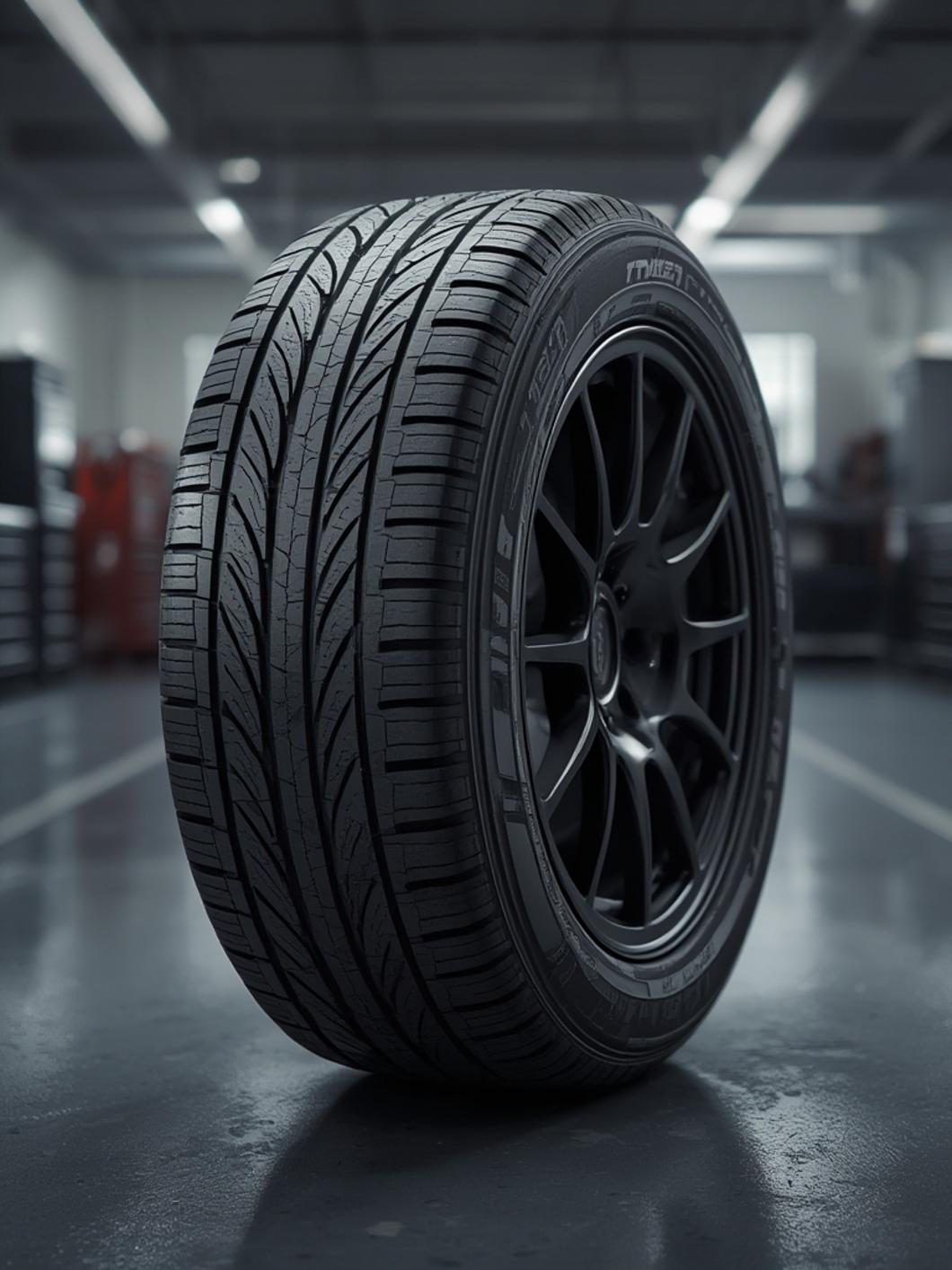
Have you ever wondered exactly how long your vehicle’s tires should last before replacement becomes necessary? Understanding how many miles are tires good for is essential for maintaining vehicle safety and performance. While manufacturers often suggest that tires last between 25,000 to 50,000 miles, the actual tire lifespan mileage varies significantly based on driving habits, road conditions, and maintenance practices. By implementing proper tire care routines, you can maximize your investment and ensure optimal safety during every journey.
Table of Contents
Materials & Supplies
To properly maintain your tires and extend their useful life, gather these essential tools:
1. Tire Pressure Gauge – A quality digital gauge provides accurate readings essential for proper inflation
2. Portable Air Compressor – Allows convenient pressure adjustments at home
3. Tread Depth Gauge – Measures remaining tread to monitor wear patterns
4. Jack and Jack Stands – Required for safe tire rotation and inspection
5. Torque Wrench – Ensures lug nuts are tightened to manufacturer specifications
6. Tire Cleaning Solution – Helps remove brake dust and road grime
7. Microfiber Cloths – Provides scratch-free cleaning
8. Safety Gloves – Protects hands during maintenance
9. Flashlight – Assists in detailed visual inspections
10. Notebook – Records maintenance history and pressure readings
Timing / Inspection Schedule

Establish a consistent inspection routine to maximize tire performance and safety:
– Monthly Pressure Checks: Verify tire pressure at least once per month and before long trips
– Seasonal Inspections: Thoroughly examine tires during season changes, especially before winter
– Rotation Schedule: Rotate tires every 5,000-7,000 miles to ensure even wear
– Alignment Checks: Have alignment checked annually or after hitting significant potholes
– Tread Depth Measurements: Check tread depth quarterly using the penny test or depth gauge
– Complete Inspection: Have a professional inspection annually to catch issues you might miss
Step-by-Step Instructions
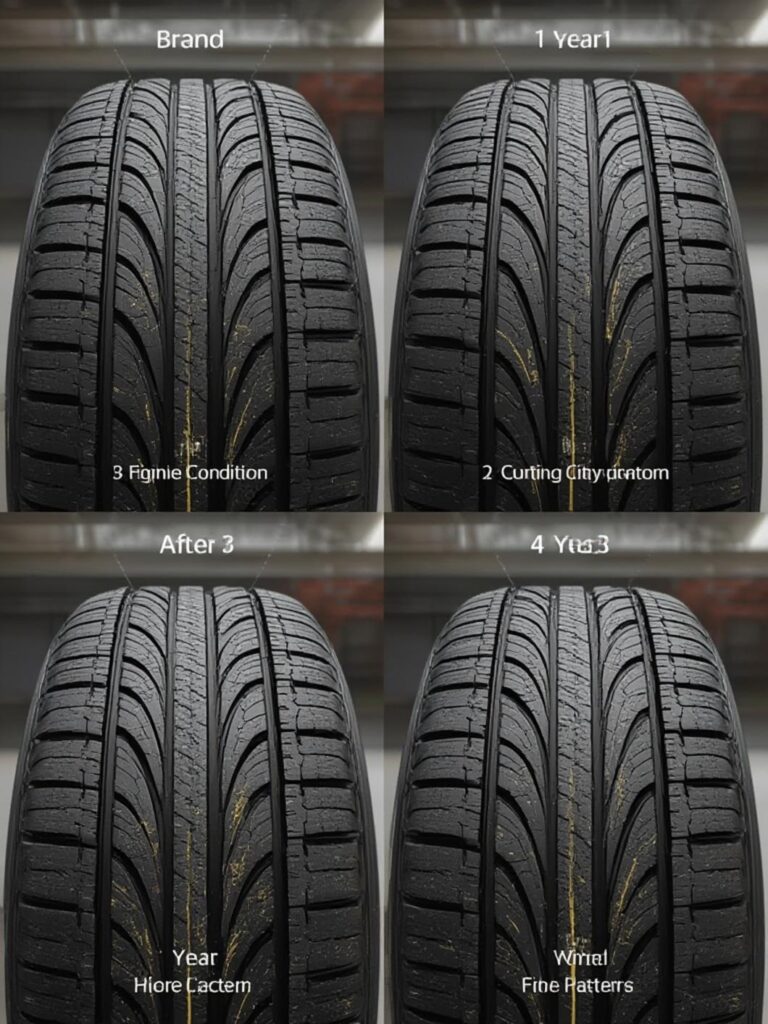
Follow these steps to maximize how many miles are tires good for while ensuring optimal safety and tire lifespan mileage:
1. Regular Pressure Monitoring: Check pressure when tires are cold for accurate readings. Maintain the manufacturer’s recommended PSI, not the maximum PSI printed on the tire sidewall.
2. Proper Rotation: Follow your vehicle manual’s recommended rotation pattern, typically every 5,000-7,000 miles. This prevents uneven wear patterns that shorten tire life.
3. Alignment Maintenance: Have wheel alignment checked if you notice uneven tire wear or if your vehicle pulls to one side. Proper alignment can add thousands of miles to tire life.
4. Tread Assessment: Use the penny test (insert a penny with Lincoln’s head upside down into the tread; if you can see his entire head, it’s time to replace) or a proper tread gauge regularly.
5. Visual Inspections: Look for bulges, cracks, foreign objects, and unusual wear patterns that could indicate mechanical problems.
Benefits / Advantages
Proper tire maintenance delivers multiple benefits:
– Enhanced Safety: Well-maintained tires provide better traction and reduce accident risk
– Improved Fuel Economy: Correct inflation can improve gas mileage by up to 3%
– Extended Tire Life: Regular rotation and proper inflation can increase tire lifespan by 20-30%
– Better Handling: Balanced, properly inflated tires improve vehicle handling and stability
– Reduced Environmental Impact: Longer-lasting tires mean fewer discarded tires in landfills
– Cost Savings: Maximizing tire life delivers significant financial benefits over time
Tips, Alternative Methods, or Driving Advice
– Speed Management: Excessive speed generates heat that accelerates tire wear; maintaining moderate speeds extends tire life
– Load Consideration: Avoid overloading your vehicle, as excessive weight dramatically increases tire wear
– Driving Style Adjustments: Smooth acceleration, braking, and cornering reduce unnecessary tire stress
– Storage Practices: Store unused tires (like seasonal sets) in cool, dry locations away from direct sunlight
– Nitrogen Inflation Option: Consider nitrogen inflation for more stable pressure over temperature changes
– Regular Balancing: Have tires balanced every 12,000 miles or when you notice vibrations
Common Mistakes to Avoid
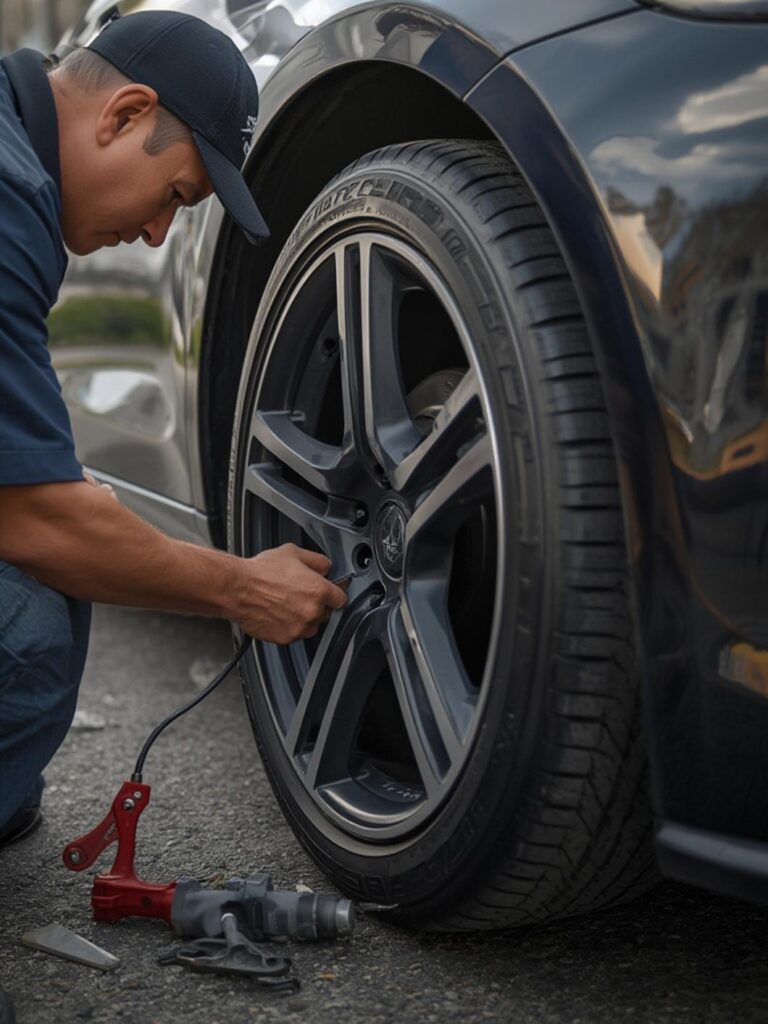
Avoid these common errors that significantly reduce tire lifespan:
– Ignoring Pressure: Never rely on visual inspection; underinflated tires cause excessive heat build-up and increased wear
– Skipping Rotations: Failing to rotate tires leads to uneven wear patterns that cannot be corrected
– Mismatched Tires: Using different brands or models on the same axle creates handling issues and accelerated wear
– Poor Alignment: Ignoring alignment problems causes rapid, uneven tire wear
– Curb Contact: Repeatedly hitting curbs damages tire sidewalls and wheel rims
Storage / Maintenance Tips
– Long-term Storage: Store tires in airtight bags in a cool, dry location away from electric motors that emit ozone
– Position Options: Store mounted tires stacked or hanging; store unmounted tires standing (not stacked)
– Regular Movement: If a vehicle sits unused, move it periodically to prevent flat spots
– Cleaning Routine: Clean tires with mild soap and water, avoiding petroleum-based products that damage rubber
– Cover Protection: Use tire covers for vehicles stored outdoors to prevent UV damage
Conclusion
Understanding how many miles are tires good for helps you make informed decisions about tire maintenance and replacement timing. While most quality tires offer 40,000-60,000 miles of service, your actual tire lifespan mileage depends largely on how well you maintain them. By following the guidelines outlined in this article, you’ll not only extend your tire investment but also ensure better safety, performance, and fuel efficiency. Remember that even if tread remains, tires should generally be replaced after 6-10 years due to rubber degradation. What tire maintenance practice will you implement first?
FAQs
How can I check if my tires need replacement?
Use the penny test by inserting a penny with Lincoln’s head upside down into the tread. If you can see his entire head, your tire tread is below 2/32 inch and requires immediate replacement.
Is it worth buying premium tires with higher mileage ratings?
Yes, premium tires typically offer advanced compounds and tread designs that deliver longer life, better performance, and improved safety, making them cost-effective over their lifespan.
Can I mix different tire brands on my vehicle?
While possible, it’s not recommended. Different brands have unique handling characteristics that can create imbalanced performance. At minimum, always use identical tires on the same axle.
How does climate affect tire longevity?
Extreme temperatures accelerate tire aging. Hot climates increase rubber oxidation and cracking, while cold climates can create rubber stiffness. Use climate-appropriate tires and maintain proper inflation for your conditions.
Should I replace all four tires at once?
For all-wheel drive vehicles, yes. For front or rear-wheel drive vehicles, replacing tires in pairs (on the same axle) is acceptable, though replacing all four ensures the most balanced performance and handling.