
Best performance for how many years do tires last
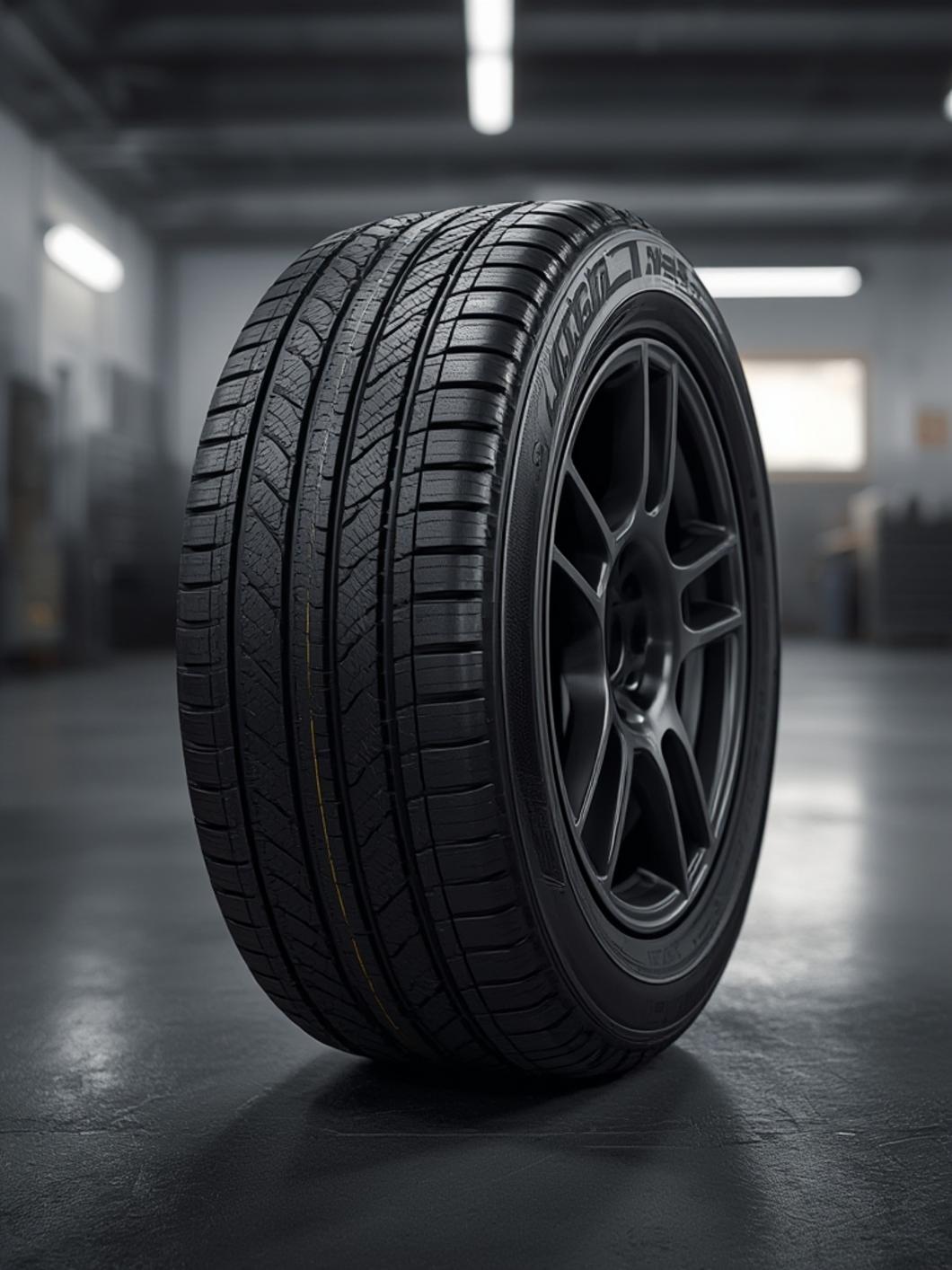
Ever wondered why some tires seem to wear out quickly while others keep rolling for years? Understanding how many years do tires last is crucial for every vehicle owner. Your tires are literally where the rubber meets the road, making them one of the most important safety components of your vehicle. Proper maintenance can significantly extend your car tire lifespan, saving you money while ensuring optimal performance and safety on the road. Let’s dive into everything you need to know about keeping your tires in top condition for as long as possible.
Table of Contents
Materials & Supplies
To properly maintain your tires and monitor their condition, you’ll need these essential tools:
1. Tire Pressure Gauge – Digital or analog for accurate pressure readings
2. Portable Air Compressor – For maintaining proper inflation
3. Tread Depth Gauge – To measure remaining tread life
4. Tire Cleaning Supplies – Mild soap, water, and a stiff brush
5. Jack and Jack Stands – For safe tire rotation
6. Torque Wrench – To properly tighten lug nuts
7. Valve Stem Caps – Inexpensive but important for preventing air leaks
8. Tire Shine Product (optional) – For UV protection and appearance
9. Chalk (optional) – For marking tires during rotation
10. Notebook or App – To track maintenance history
Timing / Inspection Schedule

Most manufacturers recommend replacing tires every 6-10 years regardless of tread depth. However, inspection should be much more frequent:
– Monthly Pressure Check: Check tire pressure when tires are cold
– Quarterly Tread Inspection: Use the penny test or a tread depth gauge
– Bi-annual Professional Inspection: Have a professional examine your tires every 6 months
– 5-Year Mark: Increase inspection frequency regardless of appearance
– Seasonal Changes: Always inspect before extreme temperature changes
Remember that environmental factors like heat, humidity, and UV exposure can accelerate aging, especially in warmer climates where tire rubber compounds degrade faster.
Step-by-Step Instructions
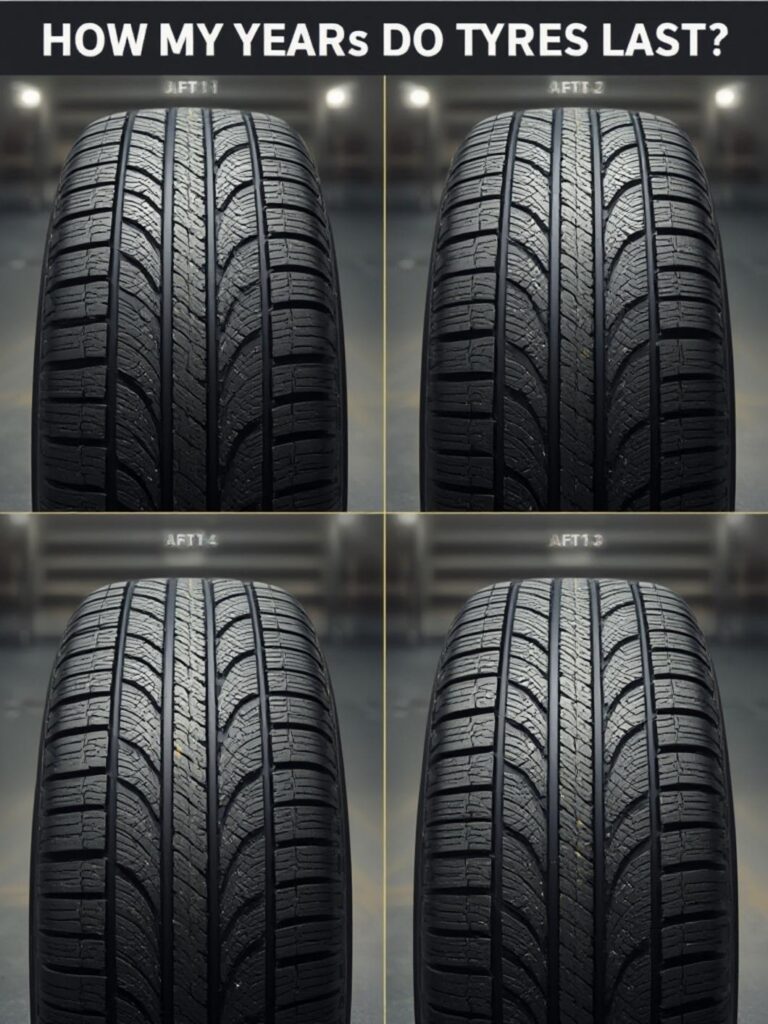
1. Determine Tire Age
– Locate the DOT code on your tire’s sidewall
– The last four digits indicate the manufacturing date (week/year)
– For example, “1222” means the tire was made in the 12th week of 2022
2. Check Tread Depth Regularly
– Insert a penny into the tread with Lincoln’s head upside down
– If you can see the top of Lincoln’s head, it’s time for replacement
– The legal minimum is 2/32″, but consider replacement at 4/32″
3. Monitor for Signs of Aging
– Look for cracks, cuts, or bulges in the sidewall
– Check for uneven wear patterns that might indicate alignment issues
– Even with good tread, how many years do tires last depends on visible rubber degradation
4. Maintain Proper Inflation
– Use manufacturer-recommended pressure (found in door jamb or manual)
– Underinflation significantly reduces car tire lifespan by causing excess heat and wear
5. Rotate Tires Every 5,000-8,000 Miles
– Follow your vehicle’s recommended rotation pattern
– This ensures even wear across all tires
Benefits / Advantages
Proper tire maintenance delivers numerous benefits:
– Enhanced Safety: Reduces risk of blowouts and improves traction
– Improved Fuel Economy: Properly inflated tires can save up to 3% on fuel costs
– Extended Tire Life: Regular rotation and proper inflation can add thousands of miles
– Better Handling: Properly maintained tires provide optimal handling and braking
– Cost Savings: Maximizing tire life means fewer replacements over time
– Environmental Impact: Fewer discarded tires and improved fuel efficiency
Tips, Alternative Methods, or Driving Advice
– Load Management: Avoid overloading your vehicle, which puts excess strain on tires
– Driving Habits: Smooth acceleration and braking extend tire life
– Alignment Services: Get wheel alignment checked annually or after hitting potholes
– Tire Type Selection: Choose tires designed for your specific climate and driving needs
– Storage Solutions: Store unused tires in cool, dry places away from direct sunlight
– All-Season vs. Seasonal: Consider using dedicated winter tires in cold climates
Common Mistakes to Avoid
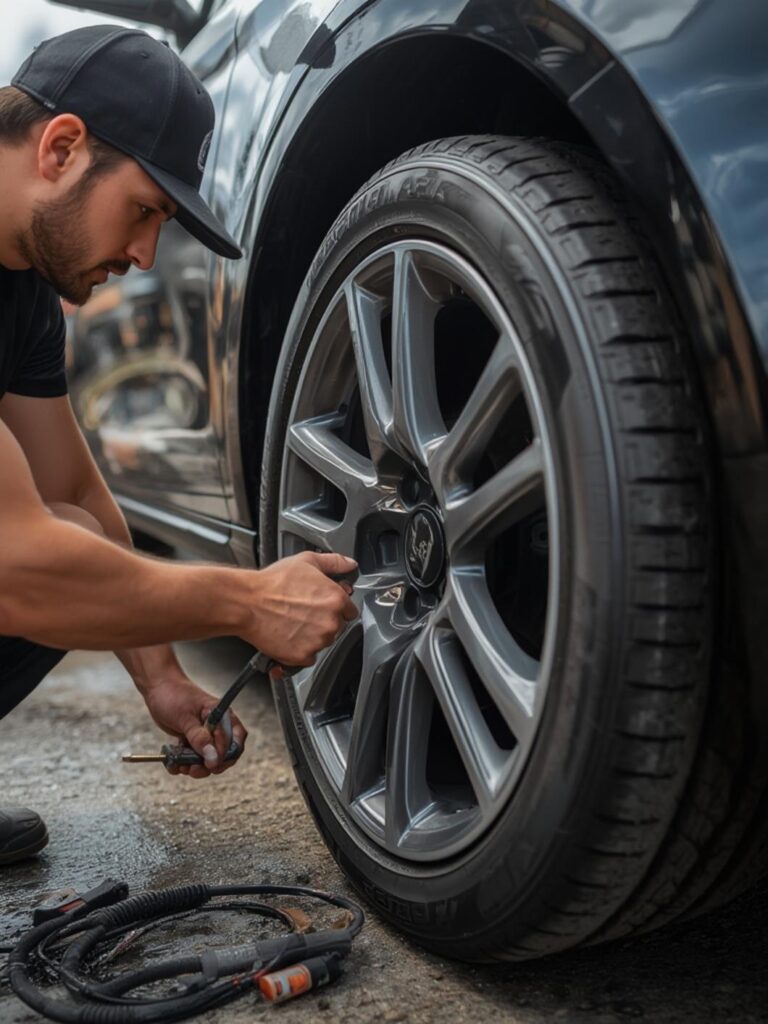
– Ignoring Age: Many people focus only on tread depth, overlooking tire age
– Improper Inflation: Both over and under-inflation cause premature wear
– Skipping Rotation: Failing to rotate tires leads to uneven wear patterns
– Mismatching Tires: Using different brands or models affects handling
– DIY Repairs: Some damages require professional attention or replacement
– Ignoring Warning Signs: Vibrations, pulling, or unusual noise should never be ignored
Storage / Maintenance Tips
– Clean Before Storage: Remove dirt and road grime before long-term storage
– Avoid Direct Sunlight: UV rays accelerate rubber degradation
– Maintain Pressure: Check pressure monthly even for stored or spare tires
– Store Vertically: When possible, store unmounted tires standing upright
– Use Tire Bags: Consider breathable tire bags for long-term storage
– Raise Vehicle: If storing a vehicle long-term, consider using jack stands to reduce flat spots
Conclusion
Understanding how many years do tires last empowers you to make informed decisions about maintenance and replacement. While most tires have a potential lifespan of 6-10 years under ideal conditions, regular inspection and proper care are essential for maximizing your car tire lifespan. Remember that safety should always be your priority—when in doubt about a tire’s condition, consult a professional. By following the guidelines in this article, you’ll not only save money but also ensure your vehicle remains safe and performs optimally. What tire maintenance steps will you implement this week?
FAQs
Q: Can I still use tires that are over 10 years old if they look fine?
A: No, most manufacturers and safety experts recommend replacing tires at 10 years regardless of appearance, as internal rubber compounds degrade over time.
Q: How can I tell when my tires were manufactured?
A: Look for the DOT code on the sidewall. The last four digits indicate the week and year of manufacture (e.g., “3621” means the 36th week of 2021).
Q: Do unused spare tires expire?
A: Yes, even unused spare tires age and should be replaced according to manufacturer guidelines, typically after 6-10 years.
Q: Is it necessary to replace all four tires at once?
A: It’s generally recommended to replace tires in pairs (at minimum) or all four at once to maintain balanced handling, especially with all-wheel drive vehicles.
Q: How much can proper tire maintenance extend tire life?
A: Regular maintenance including rotation, proper inflation, and alignment can extend tire life by 20-30%, potentially adding thousands of miles to your tires’ useful life.