
Best performance for tire sensor reset in 5
Have you ever been driving when that dreaded tire pressure warning light suddenly illuminates your dashboard? This common occurrence often leaves drivers wondering how to properly address the issue without an expensive trip to the mechanic. Understanding how to perform a tire sensor reset is an essential skill for any vehicle owner.
Table of Contents
Your car’s tire pressure monitoring system plays a crucial role in maintaining safety and performance, yet many drivers remain uncertain about managing it themselves. With the right knowledge, you can easily reset this system at home, saving time and money while ensuring optimal tire performance.
Materials & Supplies
To successfully reset your tire pressure sensors, you’ll need:
1. Tire Pressure Gauge – Digital models provide the most accurate readings
2. Air Compressor – Either portable or standard garage model
3. Owner’s Manual – Contains vehicle-specific reset procedures
4. TPMS Reset Tool (optional) – Available for more complex systems
5. OBD-II Scanner (optional) – For diagnosing persistent issues
6. Valve Stem Caps – To replace any missing caps
7. Safety Gloves – To protect hands during the process
8. Notepad – For recording pressure readings across all tires
A quality digital pressure gauge is particularly important as analog models can sometimes be less accurate by 2-3 PSI.
Timing / Inspection Schedule
You should check tire pressure at least once monthly and perform a sensor reset whenever:
- After tire rotation (every 5,000-8,000 miles)
- Following tire replacement
- When the warning light appears without obvious cause
- After significant temperature changes (seasonal shifts of 20°F or more)
- Before long road trips
Most sensor resets take only 5-15 minutes to complete, though the procedure may vary by vehicle make and model. Seasonal changes are particularly important triggers for inspection, as every 10°F change in temperature can alter tire pressure by about 1 PSI.
Step-by-Step Instructions
1. Verify Correct Pressure – Check your vehicle’s recommended PSI (typically found on the driver’s door jamb sticker) and adjust all tires accordingly.
* Pro tip: Always check pressure when tires are cold for most accurate readings.
2. Locate the TPMS Reset Button – In most vehicles, this is found under the steering wheel, in the glove compartment, or within the vehicle settings menu.
* Tip: If you can’t find it, consult your owner’s manual as locations vary by manufacturer.
3. Initiate the Reset Sequence – Typically involves turning the ignition to “ON” (without starting the engine), pressing and holding the reset button until the tire pressure light blinks three times.
* Safety note: Ensure the parking brake is engaged before beginning.
4. Drive the Vehicle – Some tire pressure monitoring system models require a driving cycle of 10-20 minutes at speeds above 30 mph to complete the reset.
* Trick: Drive in a square pattern to ensure all sensors activate properly.
5. Verify Reset Success – The warning light should extinguish, indicating a successful tire sensor reset.
* Note: Some vehicles may require up to 30 minutes of driving before the system fully recalibrates.
Benefits / Advantages
Properly maintaining your tire pressure system offers numerous advantages:
- Improved fuel economy (up to 3% better mileage)
- Extended tire life (up to 20% longer tread life)
- Enhanced vehicle handling and stopping distances
- Reduced risk of blowouts and dangerous tire failures
- Prevention of uneven tread wear patterns
- Early warning of slow leaks before they become dangerous
Tips, Alternative Methods, or Driving Advice
- For Direct TPMS Systems: Consider specialized reset tools for vehicles that use pressure sensors inside each tire.
- For Indirect TPMS Systems: These use ABS sensors and may reset differently, often through the vehicle’s information display.
- Winter Consideration: Cold weather requires different pressure settings – typically 3-5 PSI higher.
- Off-Road Enthusiasts: Air down tires for trail riding but reset the system when returning to pavement driving.
- EVs and Hybrids: These vehicles often have specialized tire requirements due to their weight distribution and efficiency needs.
Common Mistakes to Avoid
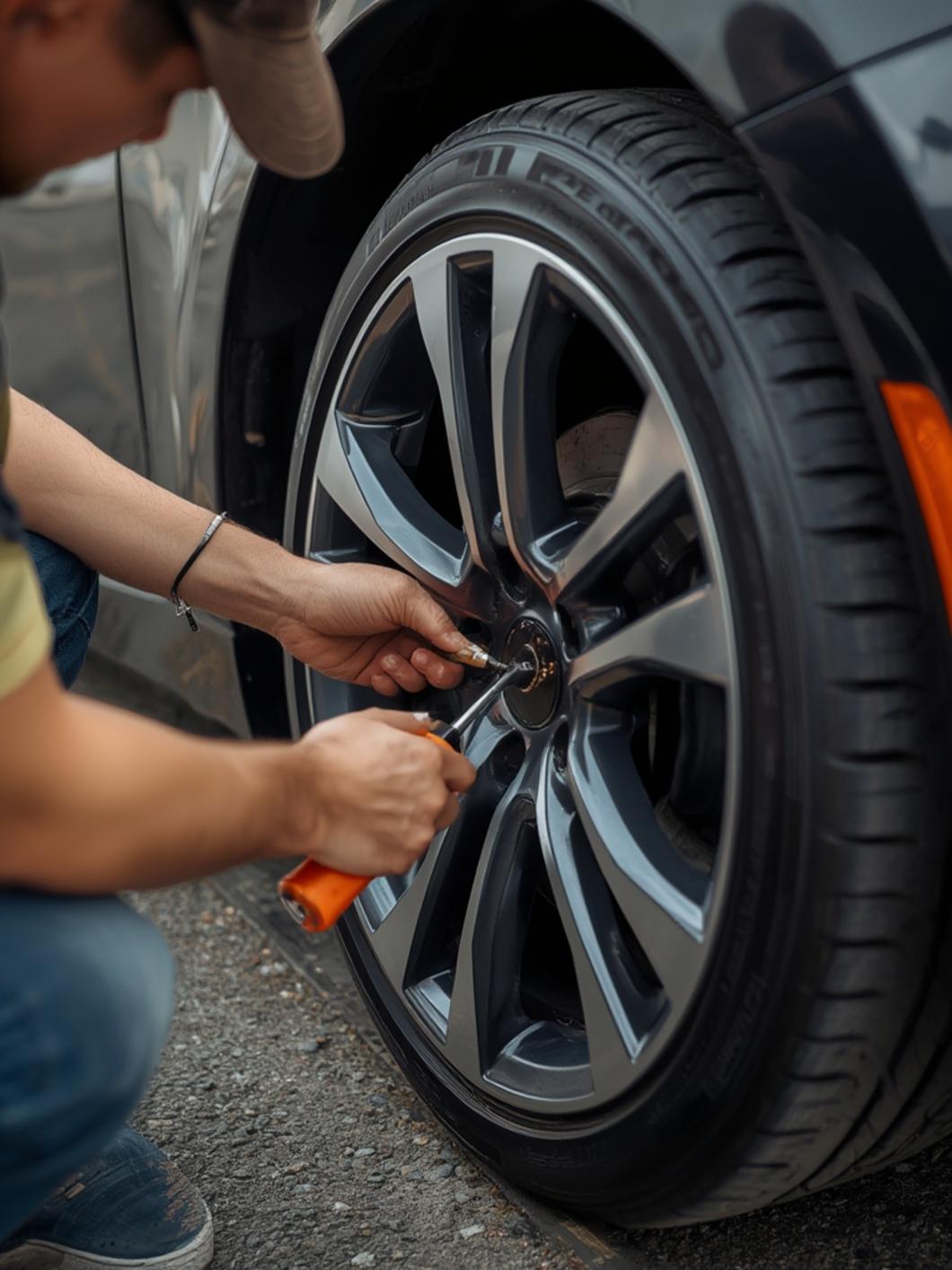
1. Ignoring Warning Lights – TPMS warnings indicate a potentially serious issue.
2. Using Incorrect Pressure Values – Always follow manufacturer recommendations, not the maximum PSI printed on the tire.
3. Resetting Without Correcting Pressure – The light will simply return if actual pressure problems aren’t fixed.
4. Forgetting Seasonal Adjustments – Pressure needs change with temperature fluctuations.
5. Neglecting the Spare Tire – Some vehicles monitor spare tire pressure as well.
Storage / Maintenance Tips
- Store TPMS sensors away from extreme temperatures and chemicals when not installed
- Clean valve stem areas regularly to prevent corrosion that can damage sensors
- Replace sensor batteries according to manufacturer recommendations (typically 5-7 years)
- Consider professional calibration annually for maximum accuracy
- Keep reset tools and pressure gauges in your vehicle for emergency situations
Conclusion
Understanding how to perform a proper tire sensor reset empowers you to maintain your vehicle’s safety and performance without relying on professional service for every alert. By following the steps outlined in this guide, you can confidently address TPMS warnings and ensure your tire pressure monitoring system functions correctly. Remember that this simple maintenance task not only saves you time and money but also contributes significantly to your safety on the road. Take a few minutes this weekend to check your tire pressure and familiarize yourself with your vehicle’s reset procedure—your tires (and wallet) will thank you!
FAQs
Q: How often should I reset my TPMS sensors?
A: You should only reset TPMS sensors when the warning light appears, after tire rotation or replacement, or when you’ve adjusted tire pressure due to seasonal changes.
Q: Why does my TPMS light come back on after resetting?
A: This typically indicates an actual pressure problem, a failing sensor battery, or damage to one of the sensors. Check all tire pressures first, then consider professional diagnosis.
Q: Can I drive with the TPMS light on?
A: While technically possible, it’s not recommended as the light indicates potentially unsafe tire conditions. Address the issue promptly to maintain safety.
Q: Do TPMS sensors need replacement?
A: Yes, sensors typically last 5-10 years depending on battery life and environmental conditions. They usually need replacement when batteries fail or during tire replacements.
Q: Will a flat spare tire trigger my TPMS light?
A: In many newer vehicles, yes. Some systems monitor all five tires, including the spare. Check your owner’s manual to confirm if your spare has a sensor.