
Best performance from your recommended tire pressure guide
Have you ever wondered if your tires are silently compromising your safety on the road? Proper tire inflation isn’t just a minor maintenance detail-it’s a crucial aspect of vehicle safety that many drivers overlook. Maintaining the correct recommended tire pressure ensures optimal handling, improved fuel efficiency, and extended tire life.
Table of Contents
Additionally, keeping a tire pressure chart handy can save you time and prevent costly mistakes. This guide will walk you through everything you need to know about checking and maintaining proper tire pressure at home, helping you avoid dangerous blowouts and unnecessary wear.
Materials & Supplies
To properly check and maintain your tire pressure, you’ll need:
1. Tire Pressure Gauge – Digital gauges offer precise readings, while pencil-style gauges are affordable alternatives.
2. Air Compressor – A portable compressor or access to a gas station air pump.
3. Valve Stem Caps – Keep these handy to protect valve stems from dirt and debris.
4. Tire Pressure Monitoring System (TPMS) Tool – Optional but useful for modern vehicles with electronic systems.
5. Notebook or Mobile App – For tracking pressure readings over time.
6. Microfiber Cloth – To clean valve stems before checking.
7. Owner’s Manual – Contains vehicle-specific tire pressure information.
8. Flashlight – For checking tires in low-light conditions.
Timing / Inspection Schedule
For optimal results, check your tire pressure at least once a month and before any long trips. The best time to check is when tires are “cold”—meaning the vehicle hasn’t been driven for at least three hours. Tire pressure can change by 1-2 PSI for every 10°F change in temperature, making seasonal checks particularly important. During winter months, pressure typically decreases, while summer heat can cause pressure to rise. Additionally, schedule a complete inspection:
– Every 3,000 miles or oil change
– After hitting significant potholes or curbs
– When seasonal temperature changes occur (spring/fall)
– If the TPMS warning light illuminates
Step-by-Step Instructions
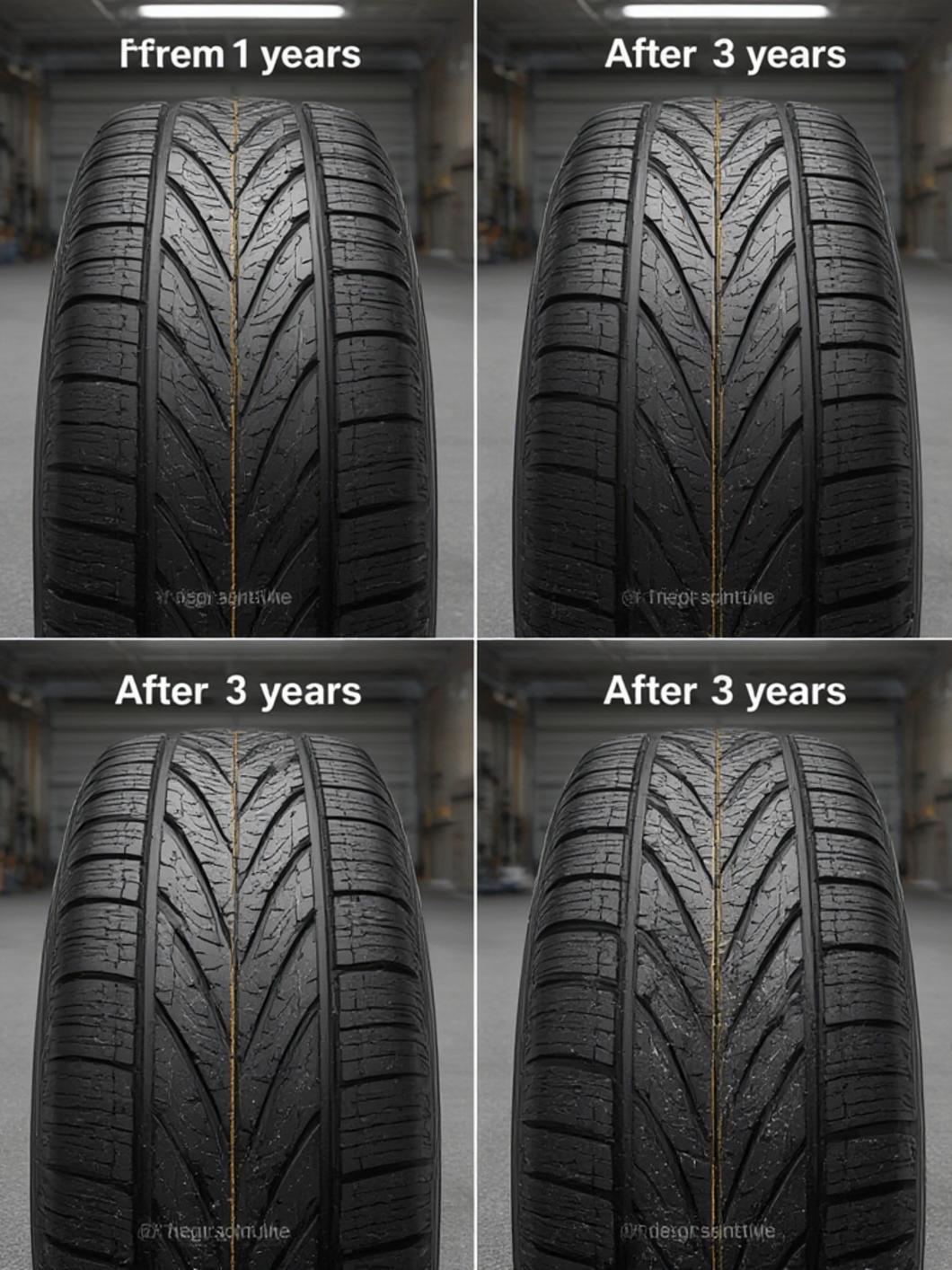
1. Find Your Vehicle’s Recommended Tire Pressure
– Check the driver’s side door jamb sticker or owner’s manual
– Note that front and rear tires may have different recommended tire pressure specifications
– Consider keeping a tire pressure chart in your glove compartment for quick reference
2. Prepare Your Tires
– Ensure tires are cold (vehicle parked for 3+ hours)
– Remove valve stem caps and store them safely
– Clean the valve stem area if dirty
3. Check Current Pressure
– Press the gauge firmly onto the valve stem until the hissing sound stops
– Read the measurement on your gauge
– Repeat for accuracy if using an analog gauge
4. Add or Release Air as Needed
– If pressure is low, use an air compressor to inflate
– If pressure is high, press the center pin of the valve stem to release air
– Check pressure again after adjustment
5. Replace Valve Stem Caps
– Ensure caps are screwed on tightly to prevent air leaks and keep dirt out
Benefits / Advantages
Maintaining proper tire pressure offers numerous benefits:
– Improved fuel economy (up to 3% better gas mileage)
– Extended tire life (up to 25% longer tread life)
– Enhanced vehicle handling and shorter braking distances
– Reduced risk of blowouts and tire failures
– Smoother, more comfortable ride
– Lower carbon emissions
– Decreased strain on suspension components
Tips, Alternative Methods, or Driving Advice
– For maximum accuracy, invest in a digital tire pressure gauge
– Consider nitrogen inflation for more stable pressure over time
– When carrying heavy loads, consult your vehicle manual for adjusted pressure recommendations
– In high-altitude areas, check pressure more frequently as elevation changes affect readings
– For RVs and trailers, use specialized heavy-duty gauges rated for higher pressures
– During extended highway driving, check pressure during rest stops when tires have cooled down
Common Mistakes to Avoid
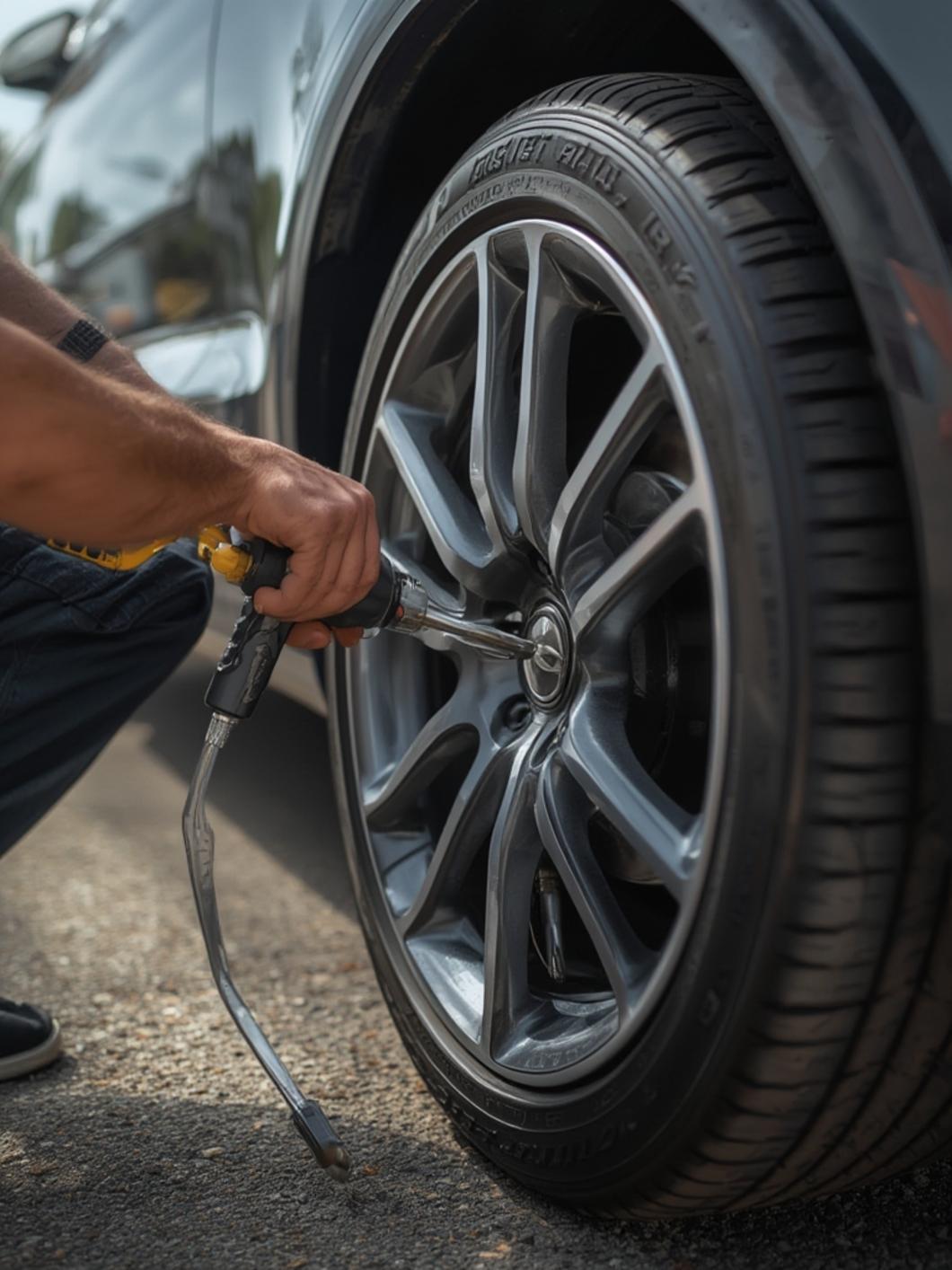
1. Checking Hot Tires – Wait until tires are cold for accurate readings
2. Using the PSI Listed on the Tire Sidewall – This is the maximum pressure, not the recommended pressure
3. Forgetting the Spare Tire – Check your spare monthly too
4. Eyeballing Tire Inflation – Visual inspection cannot accurately determine proper inflation
5. Inconsistent Checking Schedule – Irregular monitoring leads to undetected problems
6. Using Inaccurate Gauges – Replace gauges that have been dropped or damaged
Storage / Maintenance Tips
When storing tires, keep them in a cool, dry place away from direct sunlight and ozone sources (electric motors, furnaces). Use tire bags or covers to protect them from environmental factors. For ongoing maintenance:
– Rotate tires every 5,000-7,000 miles
– Balance tires when you notice vibration
– Check alignment if you notice uneven wear patterns
– Clean tires monthly with mild soap and water
– Apply tire protectant to prevent cracking and fading
Conclusion
Regular tire pressure checks are one of the simplest yet most effective maintenance tasks you can perform to ensure your safety on the road. By following the steps outlined in this guide and keeping a tire pressure chart accessible, you’ll extend your tires’ lifespan, improve your vehicle’s performance, and potentially save hundreds in fuel and replacement costs. Make checking your recommended tire pressure a monthly habit, and your vehicle (and wallet) will thank you. What tire maintenance routine will you implement this week?
FAQs
Q: How much does tire pressure typically drop in cold weather?
A: Tire pressure typically drops 1-2 PSI for every 10°F decrease in temperature. Always check pressure after significant temperature changes.
Q: Can I check tire pressure right after driving?
A: No, this will give inaccurate readings. Wait at least 3 hours after driving for tires to cool completely.
Q: Why does my TPMS light come on even though my tires look fine?
A: TPMS typically activates when pressure drops 25% below the recommended level, which isn’t always visibly noticeable. Always check with a gauge when the light appears.
Q: Is the pressure listed on the tire sidewall the correct pressure to use?
A: No, that’s the maximum pressure the tire can handle. Use the pressure recommended in your owner’s manual or door jamb sticker.
Q: How often should I replace my tire pressure gauge?
A: Replace your gauge if it’s been dropped, shows inconsistent readings, or is more than 2-3 years old for optimal accuracy.