
Best performance: how many miles to rotate tires (5,000)
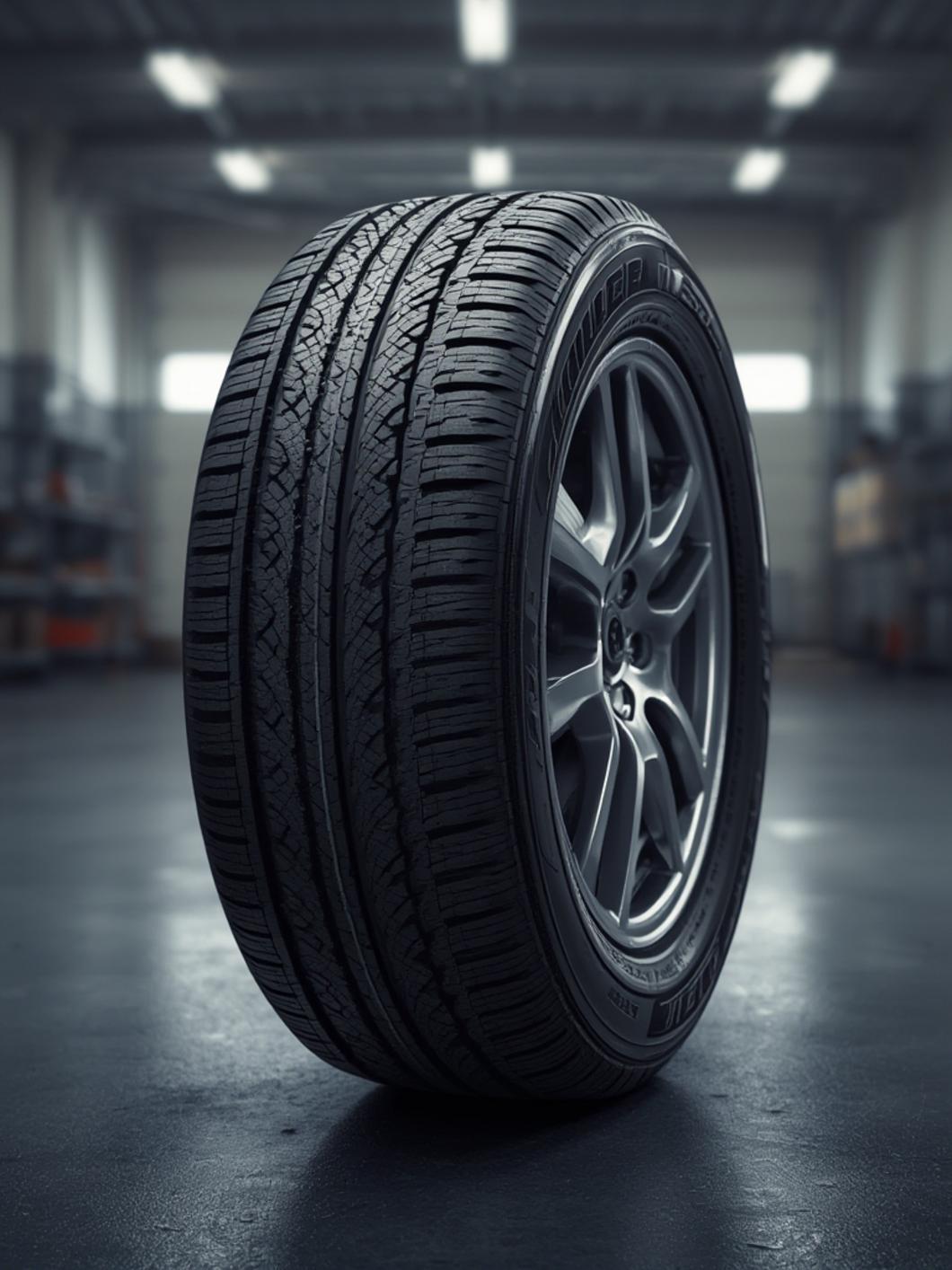
Have you ever wondered why your car’s tires wear unevenly or why mechanics always recommend rotating them regularly? Proper tire maintenance is one of the most overlooked aspects of vehicle care, yet it significantly impacts your safety, vehicle performance, and wallet. Knowing how many miles to rotate tires can extend their lifespan by up to 20%, saving you hundreds of dollars over time.
Table of Contents
Understanding when to rotate tires isn’t just about following a maintenance schedule it’s about ensuring optimal handling, traction, and safety on every journey.
Materials & Supplies
To properly maintain your tires at home, you’ll need:
1. Car jack – A hydraulic floor jack rated for your vehicle’s weight
2. Jack stands – For safety when the vehicle is elevated
3. Lug wrench – To remove and reinstall the lug nuts
4. Torque wrench – For proper tightening of lug nuts to manufacturer specifications
5. Tire pressure gauge – Digital versions provide more accurate readings
6. Air compressor – To adjust tire pressure as needed
7. Tread depth gauge – To monitor tread wear
8. Work gloves – To protect your hands during the process
9. Wheel chocks – To prevent vehicle movement during maintenance
Optional items include a rubber mallet (to loosen stuck wheels), penetrating oil (for rusty lug nuts), and a notepad to track rotation patterns.
Timing / Inspection Schedule
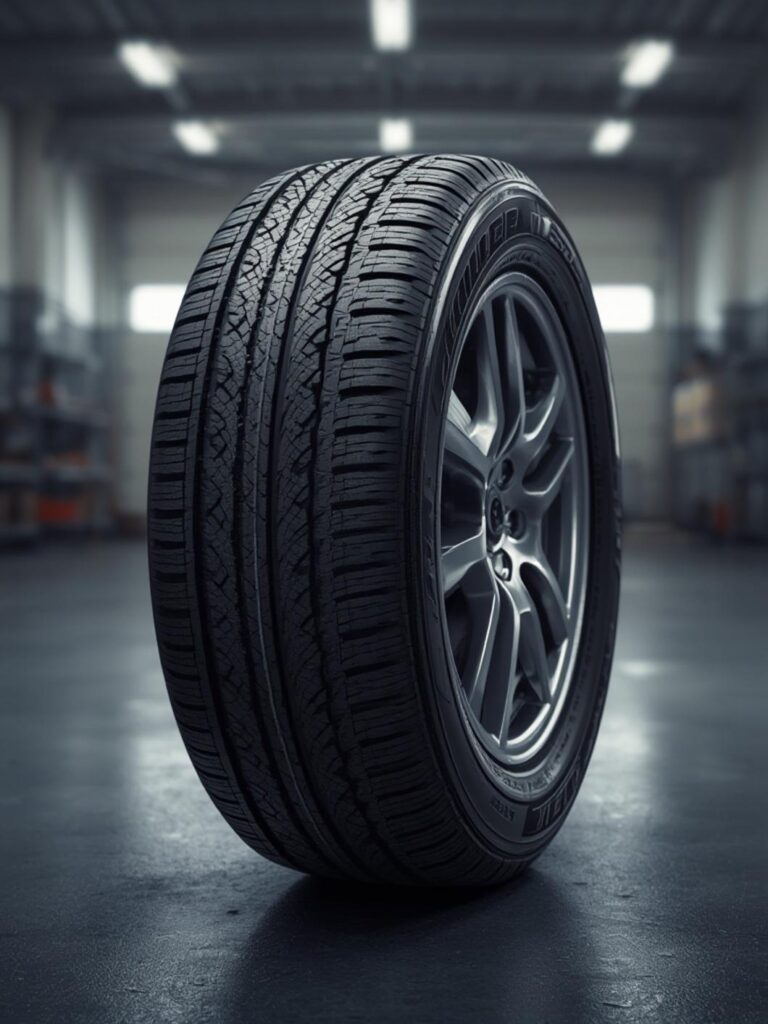
Most vehicle manufacturers and tire experts recommend rotating tires every 5,000-7,500 miles under normal driving conditions. However, if you regularly drive on rough roads, carry heavy loads, or do a lot of stop-and-go driving, consider rotations every 3,000-5,000 miles instead.
A good rule of thumb is to rotate tires with every other oil change. This creates an easy-to-remember maintenance schedule that ensures your tires receive proper attention. Seasonal changes (spring and fall) also present ideal opportunities to inspect and rotate tires while preparing for temperature shifts that affect tire pressure and performance.
Step-by-Step Instructions
1. Park on level ground and engage the parking brake
– Ensure the surface is solid and stable for safety
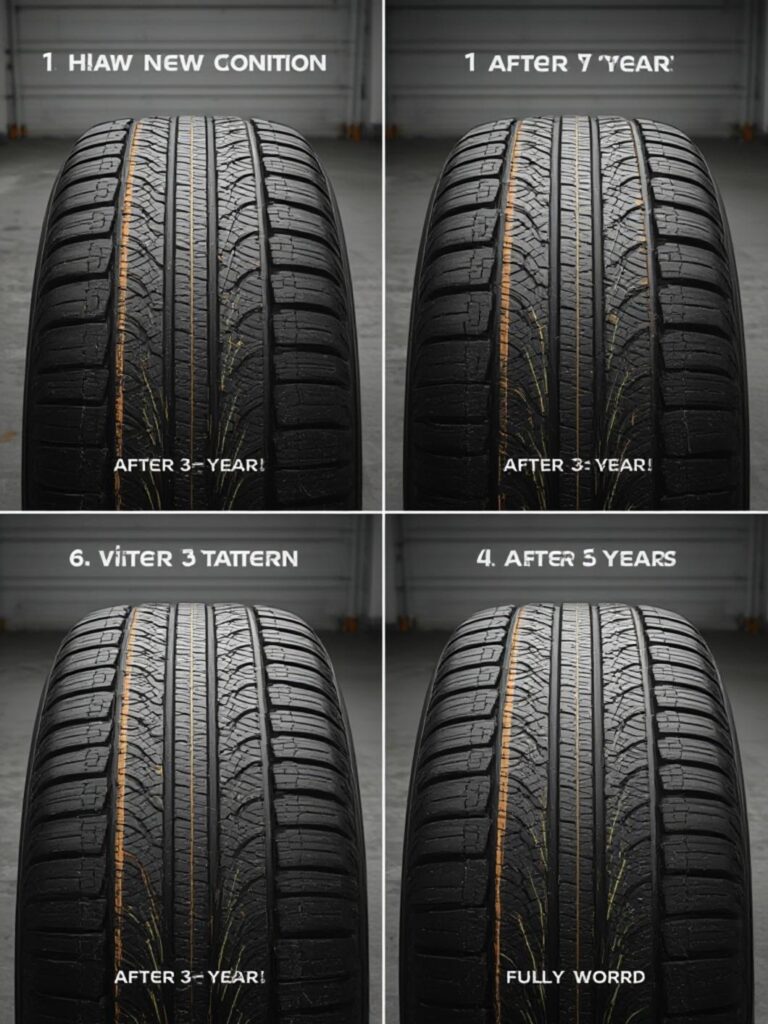
2. Check current tire condition
– Inspect for uneven wear, damage, or low tread before rotating
– Note: This is the perfect time to determine how many miles to rotate tires based on your specific wear patterns
3. Loosen lug nuts while the wheel is on the ground
– Don’t remove completely, just break the initial tension
4. Lift one corner of the vehicle and secure with jack stands
– Never rely solely on a jack for support
5. Remove wheels and follow the correct rotation pattern:
– For front-wheel drive: Front tires move to the opposite sides of the rear; rear tires move straight forward
– For rear-wheel drive: Rear tires move to the opposite sides of the front; front tires move straight back
– For all-wheel drive: Cross all tires to the opposite side and position (X-pattern)
6. Reinstall wheels and hand-tighten lug nuts
– Knowing when to rotate tires is important, but proper reinstallation is equally crucial
7. Lower the vehicle and torque lug nuts to specifications
– Follow a star pattern when tightening for even pressure
– Consult your owner’s manual for exact specifications
8. Check and adjust tire pressure
– Set to manufacturer-recommended PSI
Benefits / Advantages
Regular tire rotation offers numerous advantages:
1. Extended tire life – Even wear distribution can increase lifespan by 20-30%
2. Improved handling and performance – Balanced traction across all four corners
3. Enhanced safety – Reduced risk of blowouts and improved braking performance
4. Better fuel economy – Properly maintained tires reduce rolling resistance
5. Warranty protection – Many tire warranties require regular rotation
Tips, Alternative Methods, or Driving Advice
– Rotation variations: Some specialty tires or staggered setups require modified rotation patterns
– Professional services: Consider professional rotation every other time to check for alignment issues
– Seasonal considerations: Rotate when switching between summer and winter tires
– Directional tires: These should only be rotated front-to-back on the same side
– Five-tire rotation: Include your spare tire in the rotation pattern to ensure even wear across all tires
Common Mistakes to Avoid

1. Ignoring manufacturer recommendations – Some vehicles require specific rotation patterns
2. Over-tightening lug nuts – This can warp rotors and damage threads
3. Mixing rotation with other maintenance – Don’t combine rotation with alignment or balancing
4. Neglecting tire pressure – Always check and adjust after rotation
5. Improper lifting – Using incorrect jack points can damage your vehicle
Storage / Maintenance Tips
Store unmounted tires in a cool, dry place away from direct sunlight. Stack them horizontally or hang them vertically. For mounted tires, either stack them or hang them by the rim—never by the tire itself.
Ongoing maintenance should include:
– Monthly tire pressure checks
– Seasonal inspection for damage and wear
– Regular alignment checks (annually or after hitting significant potholes)
– Balance tires when rotation reveals uneven wear
Conclusion
Understanding how many miles to rotate tires is essential for maximizing your vehicle’s performance and your investment in quality tires. By following the recommended rotation intervals and proper techniques, you’ll enjoy improved safety, better fuel economy, and extended tire life. Remember that knowing when to rotate tires is one of the simplest yet most effective preventative maintenance practices you can perform. Make tire rotation a regular part of your vehicle care routine, and you’ll reap the benefits for thousands of miles to come.
FAQs
Q: Can I rotate my own tires or should I have a professional do it?
A: DIY tire rotation is perfectly feasible with the right tools and knowledge. However, if you’re uncomfortable with any aspect, professional service typically costs $20-40 and includes inspection.
Q: How do I know if my tires need rotation before the recommended mileage?
A: Uneven tread wear, vehicle pulling to one side, or vibration at certain speeds are all signs that rotation might be needed sooner than scheduled.
Q: Does tire rotation improve gas mileage?
A: Yes, properly rotated tires maintain even tread wear, which reduces rolling resistance and can improve fuel efficiency by 1-3%.
Q: Should I balance my tires when rotating them?
A: While not necessary every time, balancing every other rotation (approximately every 10,000-15,000 miles) helps ensure optimal performance and wear.
Q: Can rotating tires fix alignment issues?
A: No, rotation addresses uneven wear but won’t fix alignment problems. If you notice uneven wear continues after rotation, an alignment check is recommended.