
Best performance speed rating on tires 101
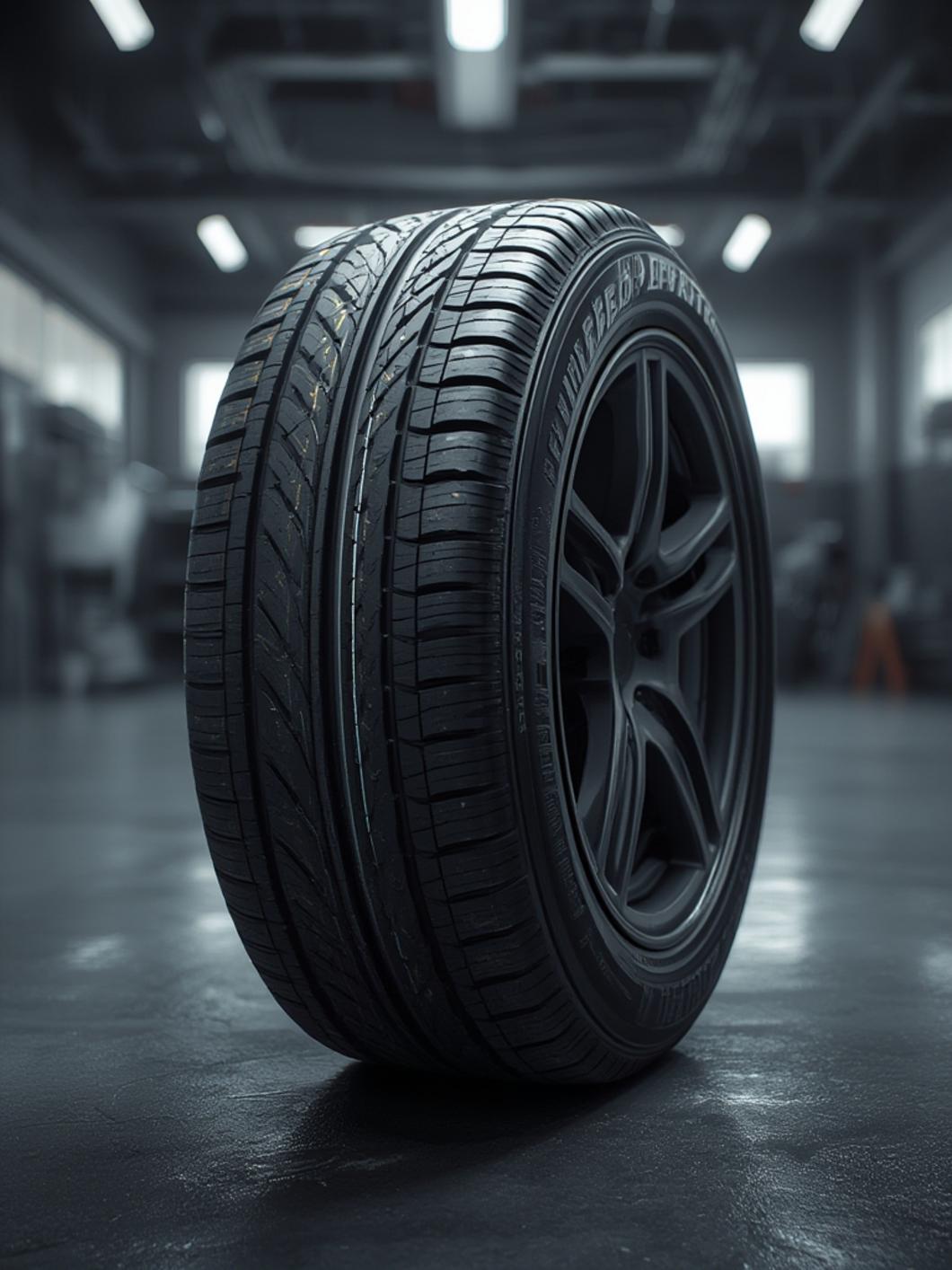
Have you ever wondered what those cryptic letters and numbers on your tire sidewall actually mean? Understanding the speed rating on tires and tire treadwear rating isn’t just for automotive enthusiasts—it’s essential knowledge for every driver concerned with safety and performance.
Table of Contents
Proper tire maintenance based on these ratings can significantly extend your tires’ lifespan, improve fuel efficiency, and ensure optimal handling in various driving conditions. This comprehensive guide will walk you through everything you need to know about tire ratings and how to maintain them properly for maximum safety and performance.
Materials & Supplies
To properly maintain your tires and monitor their condition based on their ratings, you’ll need:
1. Tire Pressure Gauge – Digital or analog for accurate pressure readings
2. Portable Air Compressor – To adjust tire pressure as needed
3. Tread Depth Gauge – For measuring remaining tread life
4. Tire Chalk – For marking tires during rotation
5. Jack and Jack Stands – For safely lifting the vehicle during inspection
6. Torque Wrench – To properly tighten lug nuts
7. Safety Gloves – To protect your hands during maintenance
8. Tire Cleaning Solution – For removing brake dust and road grime
9. Microfiber Cloths – For cleaning without scratching
10. Notepad or App – To record maintenance history and tire specifications
Timing / Inspection Schedule
Regular tire inspections are crucial for maximizing performance and safety:
- Weekly Pressure Check: Takes 5 minutes, especially before long trips
- Monthly Tread Inspection: 10 minutes to check wear patterns and depth
- Quarterly Rotation: 30-60 minutes (DIY) or professional service every 5,000-7,000 miles
- Bi-Annual Balance Check: Professional service recommended every 12,000 miles
- Seasonal Inspection: Complete 20-minute inspection before winter and summer
Tires with higher treadwear ratings typically require less frequent replacement but still need regular inspection. Always adjust your schedule based on driving conditions—rough roads, extreme temperatures, and heavy loads may require more frequent checks.
Step-by-Step Instructions
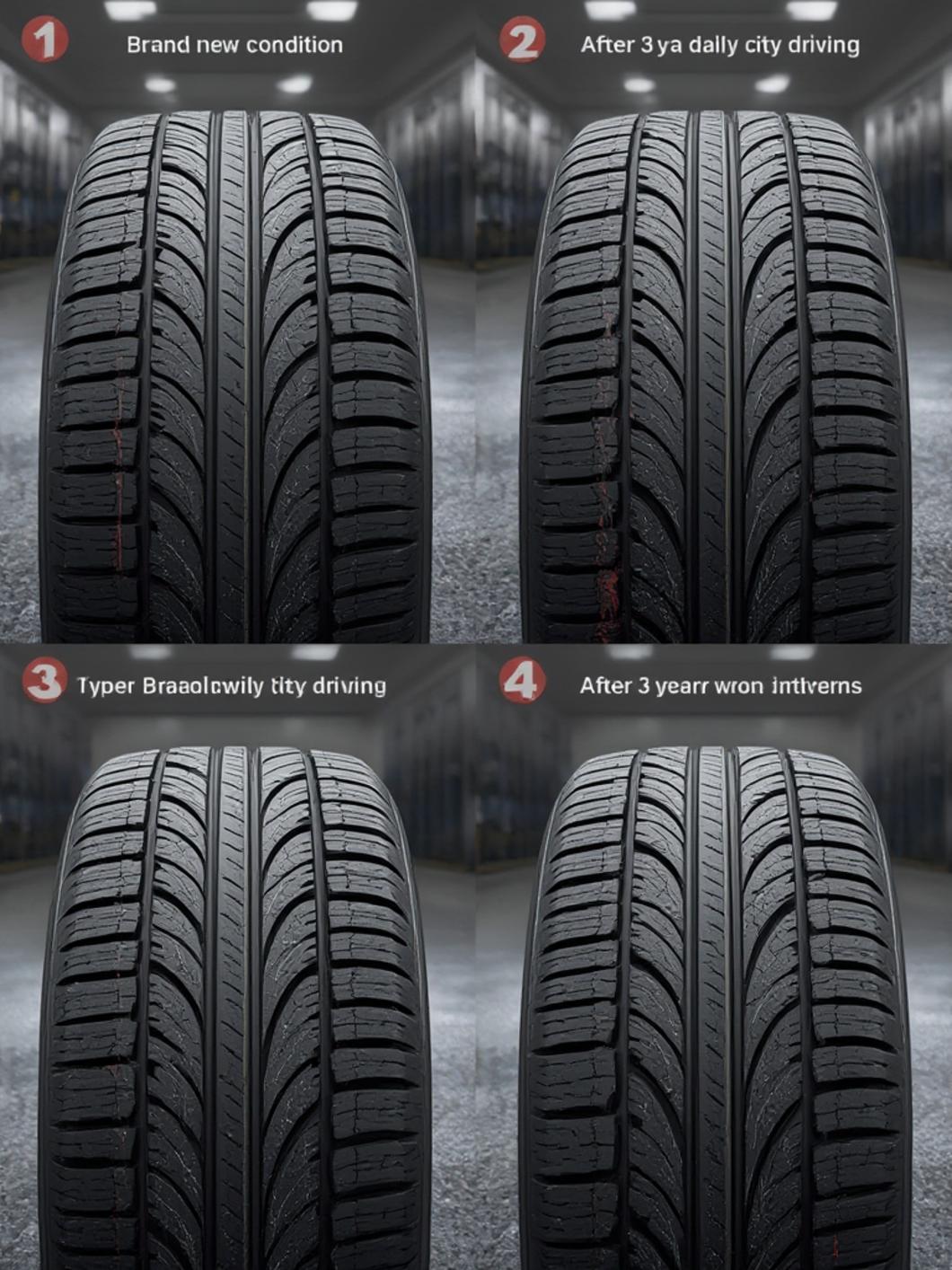
1. Identify Your Tire Ratings
* Locate the tire information on the sidewall
* Note the speed rating on tires (letter indicating maximum safe speed)
* Record the tire treadwear rating (three-digit number indicating expected lifespan)
* Pro tip: Take photos of this information for future reference
2. Check Tire Pressure
* Test when tires are cold for accurate readings
* Compare against manufacturer specifications (door jamb sticker)
* Adjust to recommended pressure, not the maximum listed on the tire
* Tip: Pressure changes with temperature; check more frequently during seasonal changes
3. Inspect Tread Depth
* Use a tread depth gauge at multiple points across the tire
* Look for uneven wear patterns which indicate alignment issues
* Replace tires when tread reaches 2/32″ (or use the penny test)
* Advice: Higher treadwear-rated tires generally last longer but verify actual wear patterns
4. Examine Sidewalls
* Check for cracks, bulges, or damage
* Verify manufacture date (4-digit code) to check tire age
* Replace tires older than 6 years regardless of tread condition
5. Rotate Tires Properly
* Follow vehicle-specific rotation pattern
* Maintain consistent rotation schedule based on mileage
* Record date and mileage after each rotation
Benefits / Advantages
- Enhanced Safety: Properly maintained tires with appropriate ratings reduce accident risk by 40%
- Extended Tire Life: Regular rotation and pressure checks can increase tire lifespan by up to 20%
- Improved Fuel Economy: Correct pressure maintains optimal fuel efficiency, saving up to 3% on fuel costs
- Better Handling: Appropriate speed-rated tires provide better performance in emergency maneuvers
- Environmental Impact: Proper tire care reduces waste and resource consumption
Tips, Alternative Methods, or Driving Advice
- Climate-Specific Advice: In hot climates, choose tires with higher temperature ratings; in wet regions, prioritize wet-traction ratings
- Performance vs. Longevity: Higher speed ratings generally offer better handling but may wear faster than touring tires
- All-Season vs. Specialized: Consider dedicated winter tires for snow regions despite higher cost
- Speed Rating Upsizing: You can safely upgrade to a higher speed rating but never downgrade below manufacturer specifications
- Load Rating Consideration: Always match or exceed the vehicle’s load rating requirements, especially for SUVs and trucks
Common Mistakes to Avoid
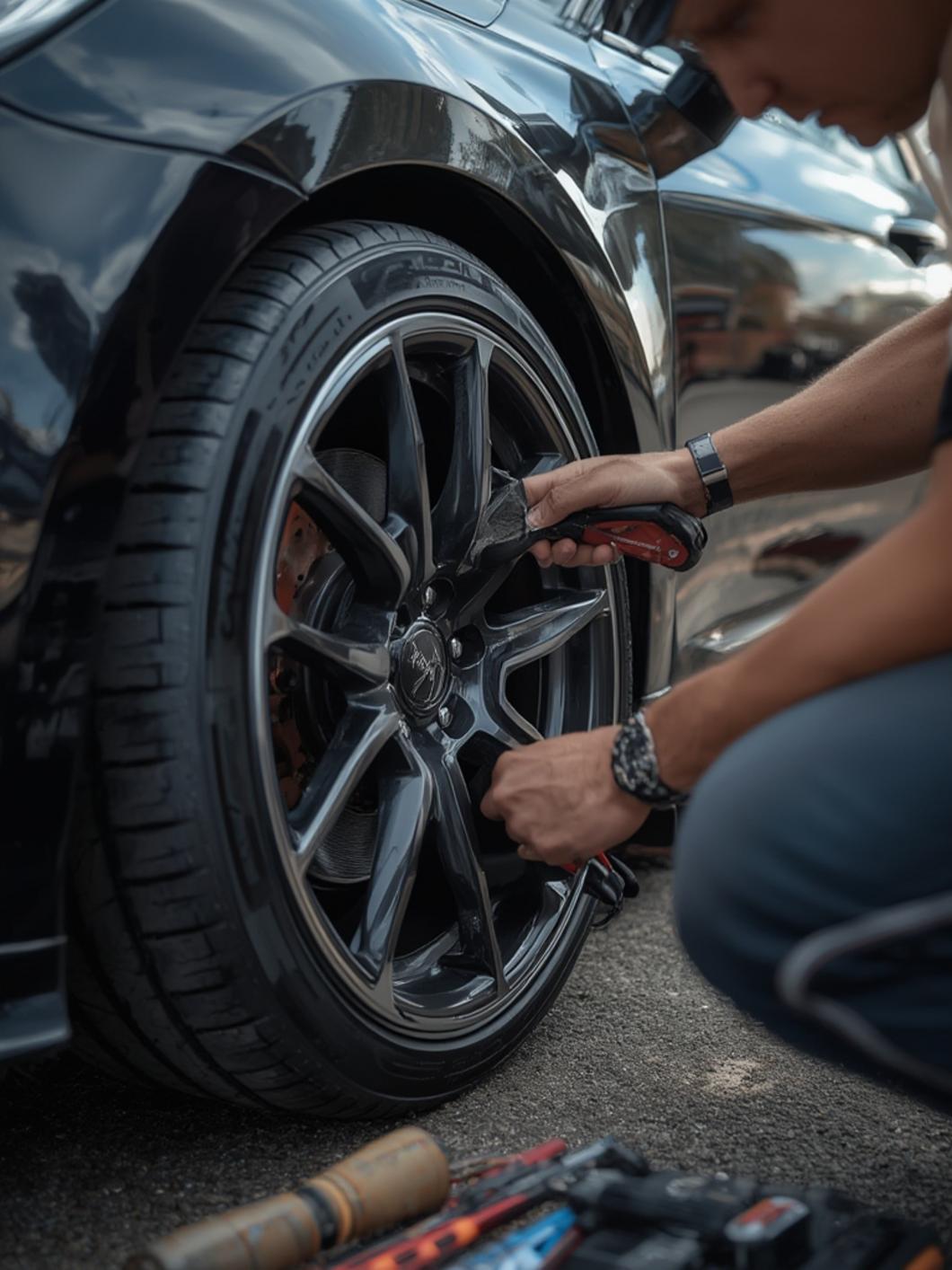
1. Ignoring Pressure Warnings: Low pressure is the leading cause of tire failure
2. Mixing Tire Types: Using different speed or treadwear ratings on the same axle creates handling imbalances
3. Over-Inflation: Causes center wear and reduces traction
4. Neglecting Rotation: Leads to uneven wear and premature replacement
5. Choosing Based on Price Alone: The cheapest option rarely provides optimal safety or longevity
Storage / Maintenance Tips
- Off-Vehicle Storage: Keep tires in cool, dry locations away from direct sunlight and ozone sources
- Position: Store vertically or hang from hooks to prevent flat spots and deformation
- Cleaning: Wash with mild soap and water before storage to remove brake dust and road oils
- Seasonal Care: Apply tire protectant to prevent cracking in winter or UV damage in summer
- Documentation: Keep records of all services, rotations, and inspections for warranty purposes
Conclusion
Understanding the speed rating on tires and tire treadwear rating is crucial for making informed decisions about your vehicle’s safety and performance. By following the maintenance schedule and tips outlined in this guide, you’ll not only extend the life of your tires but also improve your vehicle’s fuel efficiency, handling, and overall safety. Remember that proper tire care is one of the most cost-effective safety measures you can take as a driver. We encourage you to check your tire ratings today and implement a regular maintenance schedule based on your specific driving conditions.
FAQs
Q: How often should I replace my tires regardless of tread depth?
A: Most manufacturers recommend replacing tires every 6 years regardless of tread depth due to rubber degradation, even if stored properly.
Q: Can I use tires with a higher speed rating than recommended?
A: Yes, you can safely use tires with a higher speed rating than recommended, but they may provide a firmer ride and potentially wear faster.
Q: Do tire treadwear ratings from different manufacturers mean the same thing?
A: No, treadwear ratings are not standardized across manufacturers—a 400 from one brand may not last as long as a 400 from another brand.
Q: How do seasonal temperature changes affect tire pressure?
A: Tire pressure typically changes by 1-2 PSI for every 10°F temperature change, requiring more frequent checks during seasonal transitions.
Q: Is it worth investing in tires with higher treadwear ratings?
A: Generally yes, if you drive frequently. Higher treadwear-rated tires typically cost more initially but provide better value over their extended lifespan.