
Best price for speed rating on tires
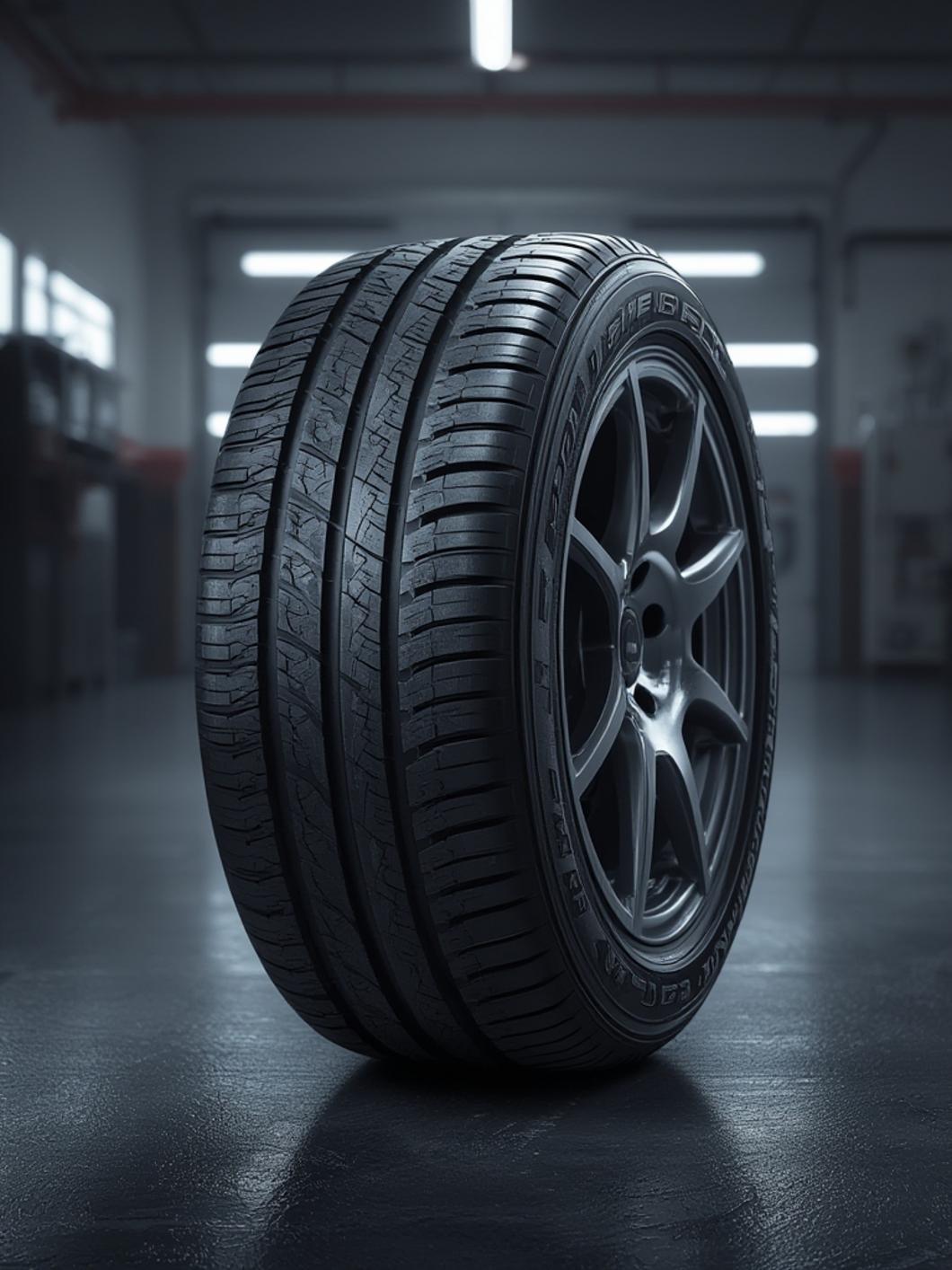
Have you ever looked at the markings on your tires and wondered what all those letters and numbers actually mean? Two of the most critical yet often overlooked specifications are the speed rating on tires and treadwear rating. These seemingly cryptic codes actually contain vital information that directly impacts your vehicle’s performance, safety, and tire longevity.
Table of Contents
Understanding both the speed rating on tires and treadwear rating can help you make informed decisions when purchasing new tires and maintaining your current ones.
Materials & Supplies
To properly maintain and check your tires at home, you’ll need:
– Tire pressure gauge – Essential for ensuring proper inflation (digital versions provide more accurate readings)
– Air compressor – For adding air when needed (portable models are available for home use)
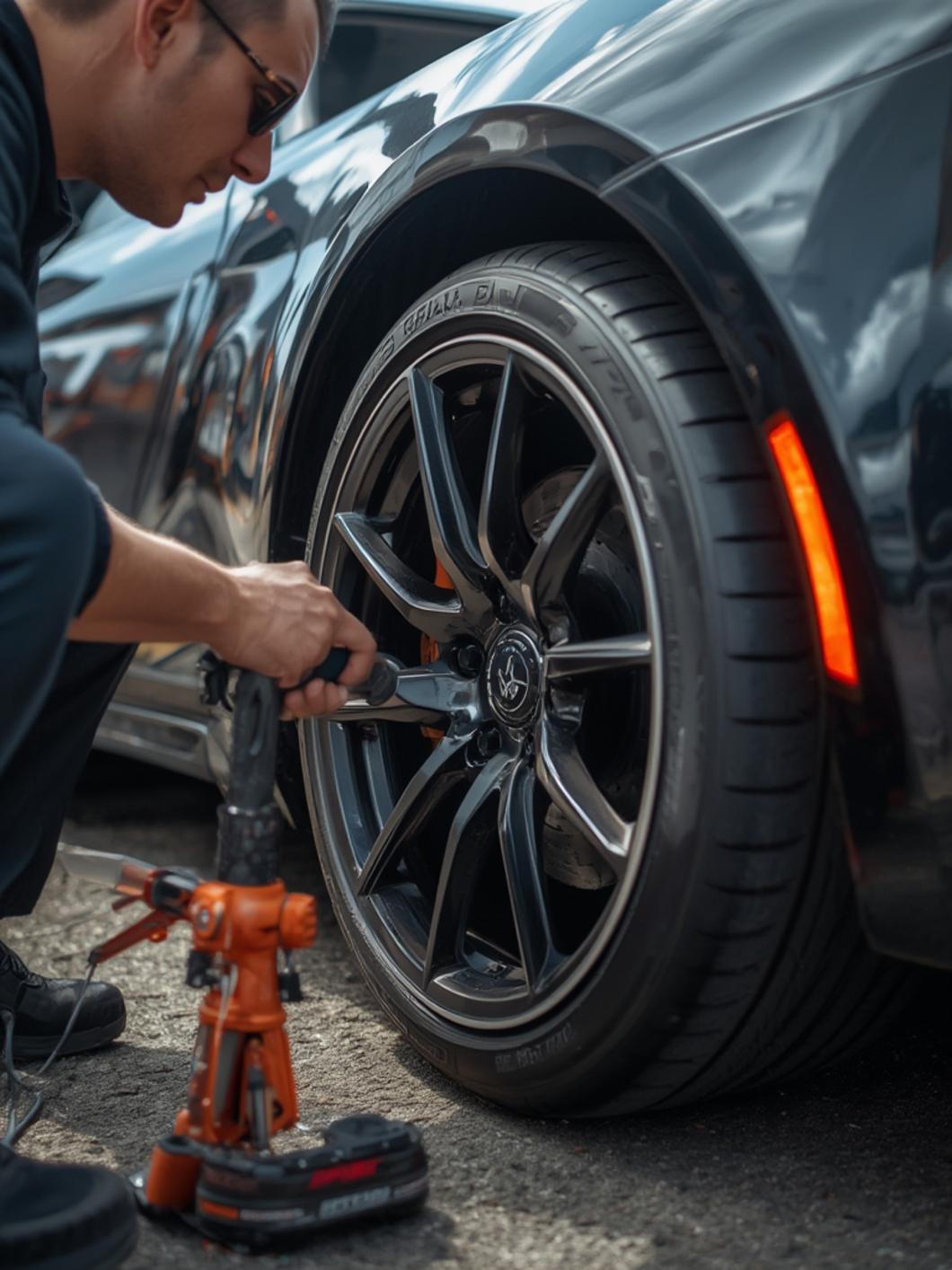
– Jack and jack stands – For safely lifting your vehicle during tire rotation
– Lug wrench – To remove and reinstall wheel nuts
– Torque wrench – For properly tightening lug nuts to manufacturer specifications
– Tread depth gauge – To measure remaining tread (a penny can work in a pinch)
– Safety gloves – To protect your hands during maintenance
– Notebook or app – To track maintenance history and measurements
– Tire cleaning solution and brush (optional) – For removing brake dust and road grime
Timing / Inspection Schedule
Regular inspection of your tires, including checking their speed and treadwear ratings, should follow this schedule:
– Monthly pressure checks – Verify tire pressure when tires are cold
– Quarterly tread inspections – Measure tread depth and check for uneven wear patterns
– Rotation every 5,000-8,000 miles – Follow your vehicle manufacturer’s recommendations
– Seasonal inspections – Check before extreme weather changes (winter/summer)
– Pre-trip inspection – Verify before long journeys
– Annual professional assessment – Have a mechanic perform a comprehensive tire health check
Most modern tires with adequate treadwear ratings will last between 40,000-60,000 miles, though this varies based on driving habits, road conditions, and proper maintenance.
Step-by-Step Instructions
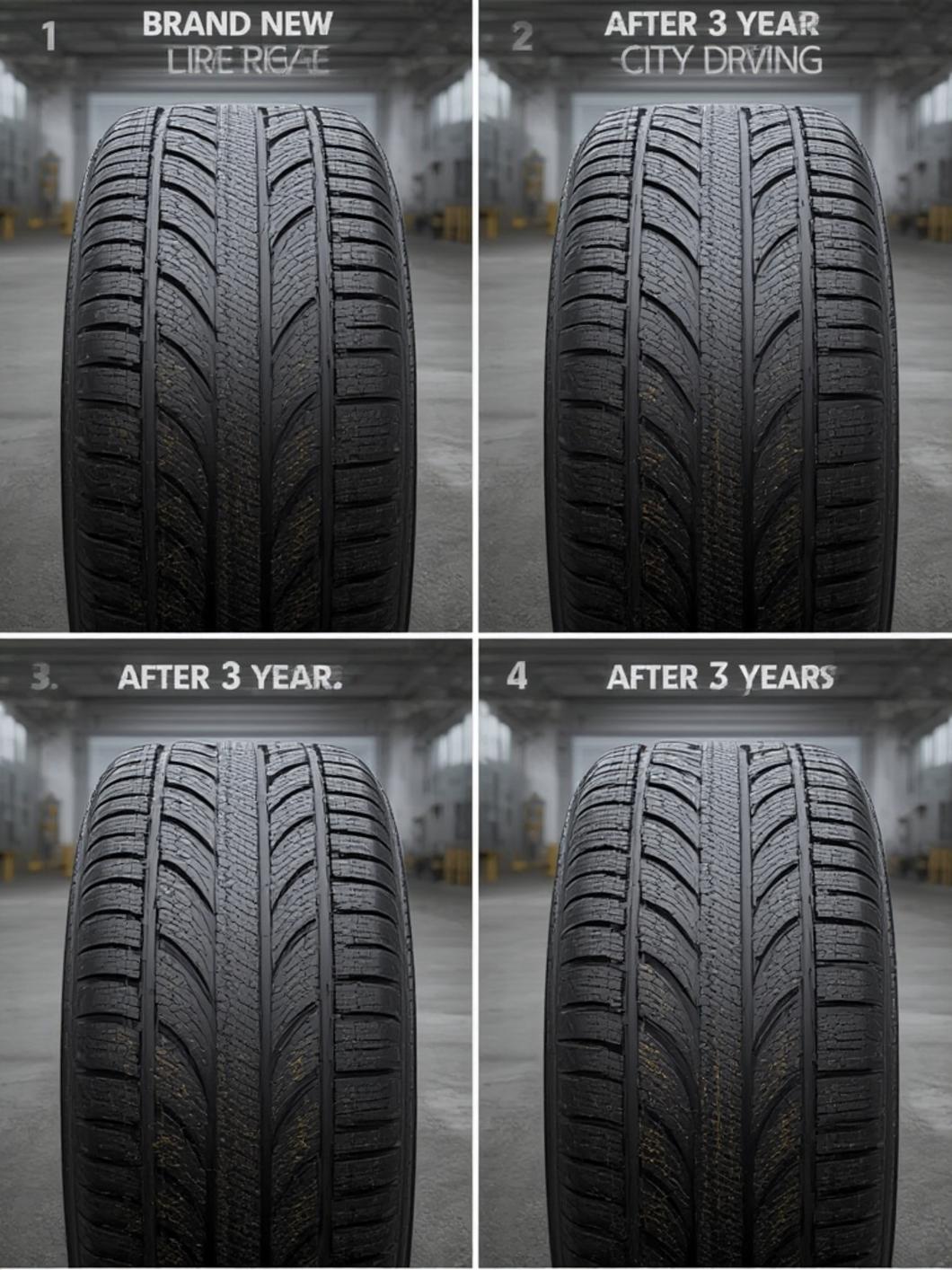
1. Locate tire information: Find the alphanumeric code on your tire’s sidewall (e.g., P215/65R15 95H). The last letter is the speed rating on tires (H in this example), and the treadwear rating appears separately as a three-digit number.
2. Check tire pressure: Use your gauge when tires are cold. Compare with the recommended PSI listed on your driver’s door jamb or owner’s manual, not the maximum PSI on the tire.
3. Measure tread depth: Insert your tread depth gauge into the tire grooves. Most new tires start with 10/32″ to 12/32″ of tread. Replace tires when they reach 2/32″.
4. Inspect for damage: Look for cuts, cracks, bulges, or foreign objects embedded in the tires.
5. Evaluate wear patterns: Uneven wear may indicate alignment or inflation issues that need addressing.
6. Document findings: Record measurements, dates, and mileage to track tire health over time.
Benefits / Advantages
Proper understanding and maintenance of your tires offer numerous advantages:
– Enhanced road safety and reduced stopping distances
– Better handling and cornering capabilities
– Improved fuel efficiency (up to 3% better mileage)
– Extended tire life, saving money on premature replacements
– Reduced risk of blowouts and roadside emergencies
– Smoother ride with less road noise
– More predictable performance in adverse weather conditions
Tips, Alternative Methods, or Driving Advice
– Match driving to speed rating: If your tires have an H rating (130 mph), it doesn’t mean you should drive that fast, but ensures safety margin at highway speeds.
– Regional considerations: Choose higher treadwear ratings for hot climates and rough roads; prioritize wet traction for rainy regions.
– Tire rotation patterns: Use the forward cross pattern for FWD vehicles and rearward cross for RWD/AWD vehicles.
– Consider seasonal tires: All-season tires offer convenience, but dedicated winter/summer tires provide superior performance in extreme conditions.
– Nitrogen inflation: Consider nitrogen for more stable tire pressure, especially in areas with significant temperature variations.
Common Mistakes to Avoid
– Ignoring pressure warnings: Even slightly underinflated tires can reduce fuel efficiency and increase wear.
– Mismatching tires: Always maintain the same speed rating and similar treadwear rating across all four tires.
– Overlooking alignment: Misaligned wheels cause premature and uneven tire wear.
– Overloading vehicles: Exceeding weight limits stresses tires beyond their design parameters.
– Neglecting rotation: Skipping regular rotations leads to uneven wear and shortened tire life.
Storage / Maintenance Tips
– Store unmounted tires standing upright, not stacked or hanging
– Keep tires in cool, dry locations away from direct sunlight and ozone sources
– Use tire bags or covers for long-term storage to prevent rubber degradation
– Clean tires with mild soap and water, avoiding petroleum-based cleaners
– Apply UV protectant to prevent sidewall cracking when stored
– Consider tire cradles for mounted tire-wheel assemblies to prevent flat spots
Conclusion
Understanding the speed rating on tires and treadwear rating empowers you to make informed decisions about your vehicle’s safety and performance. By following the maintenance schedule and inspection procedures outlined above, you can maximize tire life, improve fuel efficiency, and ensure optimal safety on the road. Remember that tires are your only connection to the road—treating them with care isn’t just about saving money, it’s about protecting yourself and your passengers. Take a few minutes today to check your tires and put these maintenance practices into action!
FAQs
How do I decode the speed rating on my tires?
Speed ratings are represented by letters (e.g., S, T, H, V, Z) that correspond to maximum sustained speeds. For example, H = 130 mph, V = 149 mph. Always consult your vehicle’s manual for the minimum recommended speed rating.
Can I use tires with different speed ratings on the same vehicle?
It’s not recommended. All four tires should have the same speed rating, with the vehicle’s overall speed capability limited to the lowest-rated tire installed.
What treadwear rating should I look for when buying new tires?
Higher numbers (400+) indicate longer-lasting tires, while lower numbers (200-300) often provide better performance but wear faster. Balance your driving needs with your budget.
How does temperature affect tire pressure and performance?
Tire pressure typically changes by 1-2 PSI for every 10°F change in temperature. Always check pressure when tires are cold, and adjust seasonal pressure according to manufacturer recommendations.
Can I repair a damaged high-speed-rated tire?
Some tire manufacturers don’t recommend repairs to high-speed-rated tires (V, W, Y, Z) as repairs might compromise the tire’s integrity at high speeds. Always consult with a professional tire technician.