
How to choose how often to rotate tires 4 months
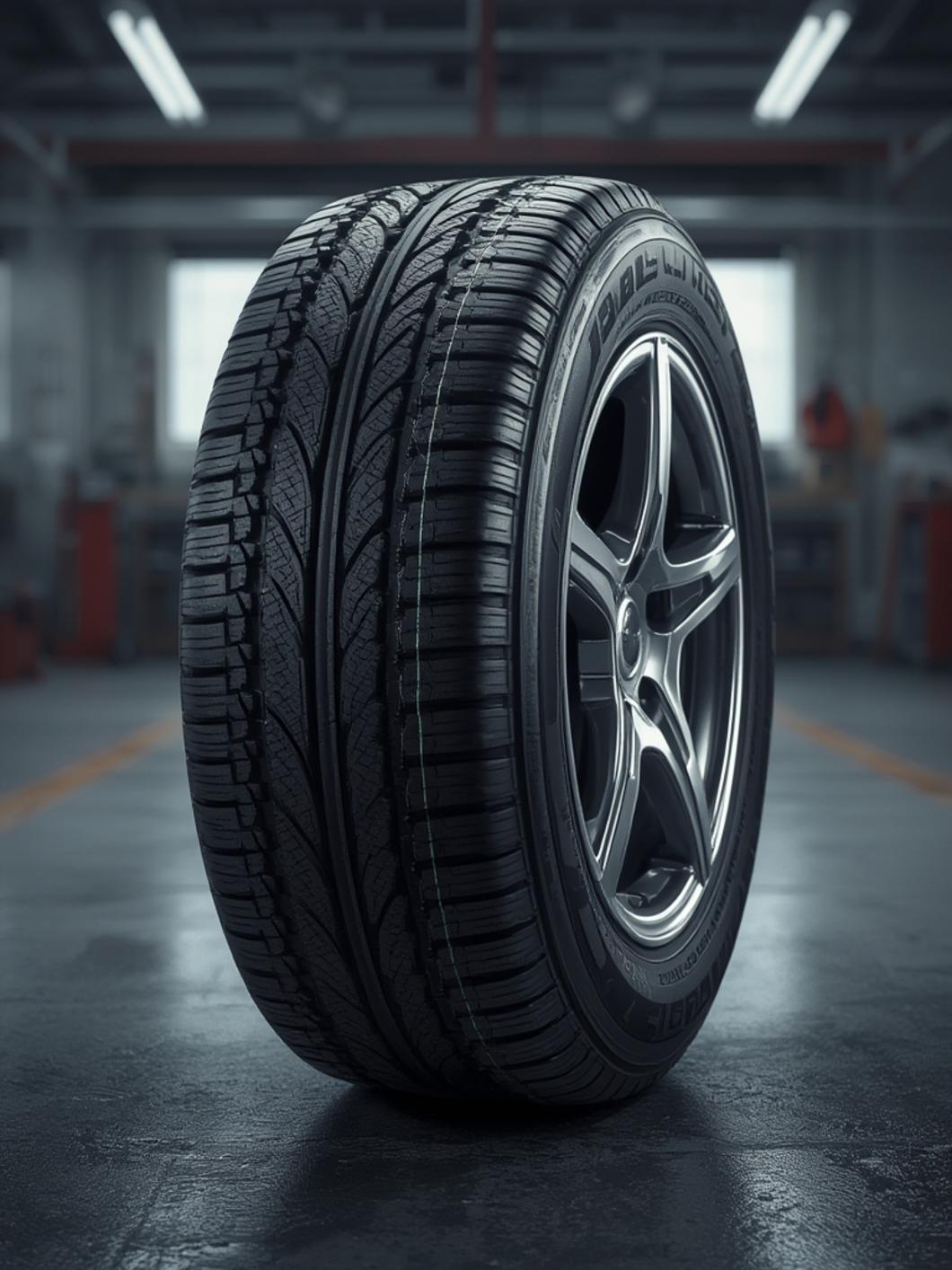
Are you wondering when you should schedule your next tire rotation? Proper tire maintenance is one of the most overlooked aspects of vehicle care that significantly impacts safety, performance, and your wallet. Understanding how often to rotate tires can extend their lifespan by up to 20% and improve fuel efficiency by ensuring even tread wear.
Table of Contents
With regular tire rotation intervals, you’ll not only save money on replacements but also enhance your vehicle’s handling and braking performance on the road.
Materials & Supplies
To perform a proper tire rotation at home, you’ll need the following tools:
1. Car jack: A hydraulic floor jack with a minimum 2-ton capacity is ideal for most vehicles
2. Jack stands: Always use a pair rated for your vehicle’s weight
3. Lug wrench: The one included with your vehicle or a 4-way lug wrench
4. Torque wrench: Essential for properly tightening lug nuts
5. Wheel chocks: To prevent vehicle rolling during the procedure
6. Work gloves: To protect your hands when handling wheels
7. Tire pressure gauge: To check and adjust pressures after rotation
8. Owner’s manual: For vehicle-specific information and torque specifications
Optional but helpful tools include a small piece of chalk to mark tire positions, penetrating oil for stubborn lug nuts, and a clean cloth for wiping down wheels.
Timing / Inspection Schedule

Most manufacturers recommend rotating tires every 5,000-7,500 miles, but this can vary based on your vehicle type and driving habits. Front-wheel drive vehicles typically need more frequent rotations (closer to 5,000 miles) since the front tires handle steering, acceleration, and most braking forces. For all-wheel or four-wheel drive vehicles, the 7,500-mile mark is generally appropriate.
A good rule of thumb is to schedule rotations with every other oil change. However, if you notice uneven wear patterns or your vehicle pulls to one side, don’t wait for the scheduled interval. Seasonal changes also present good opportunities for rotation—before winter and summer driving conditions begin.
Step-by-Step Instructions
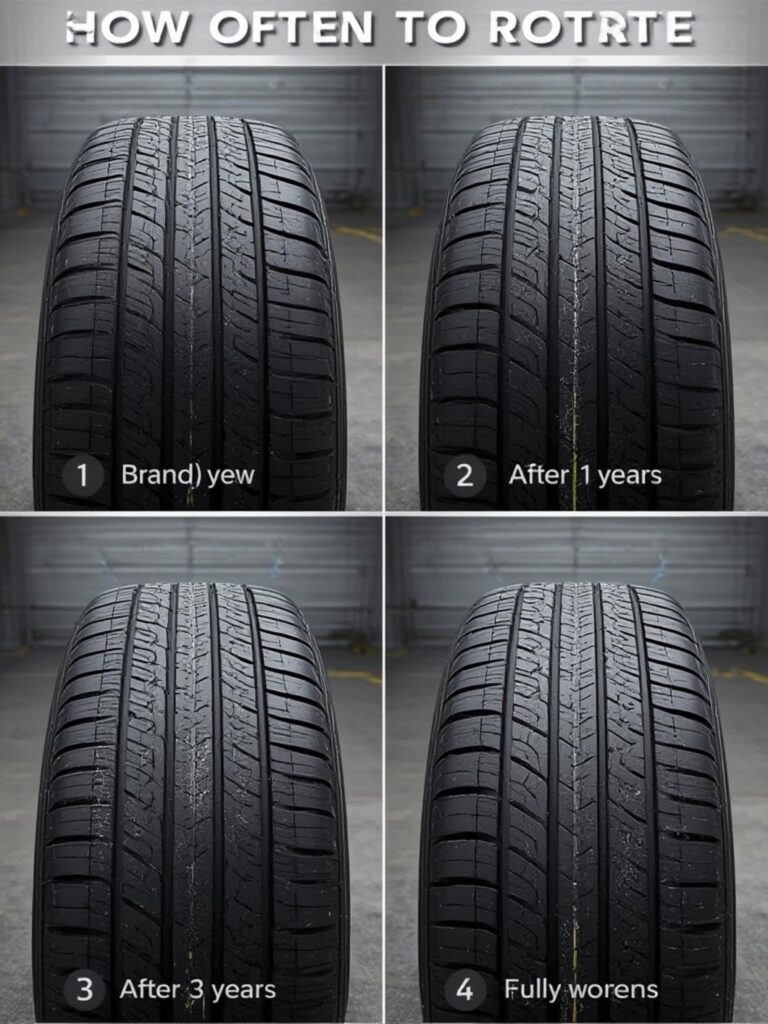
Follow these steps to properly rotate your tires:
1. Park on a flat, level surface: Ensure your emergency brake is engaged.
2. Loosen lug nuts: With the car still on the ground, break the initial tension on each lug nut.
3. Jack up the vehicle: Lift one corner at a time, securing with jack stands.
4. Remove the wheels: Take off each wheel and set them aside in an organized manner.
5. Follow the proper rotation pattern:
– For front-wheel drive: Move front tires to the back in straight alignment, and back tires to the opposite front sides.
– For rear-wheel drive: Move rear tires to the front in straight alignment, and front tires to the opposite rear sides.
When reinstalling wheels, hand-tighten lug nuts first, then use your torque wrench to secure them to manufacturer specifications in a star pattern. Understanding how often to rotate tires should be paired with knowledge of proper tire rotation intervals and techniques to achieve the best results.
Benefits / Advantages
Regular tire rotation provides numerous benefits:
1. Extended tire life: Evens out wear patterns, maximizing tread life
2. Improved handling: Maintains balanced traction and predictable handling
3. Better fuel economy: Properly maintained tires require less energy to roll
4. Enhanced safety: Reduces risks of blowouts and improves wet-weather traction
5. Cost savings: Less frequent replacements and better fuel efficiency
Tips, Alternative Methods, or Driving Advice
Consider these additional tire care strategies:
– Directional tires: These require front-to-back rotation on the same side
– Staggered fitments: Vehicles with different size front and rear tires need side-to-side rotation only
– Five-tire rotation: Include your spare tire in the rotation pattern if it’s a full-size matching tire
– Professional service: Most shops charge $20-40 for rotation, worthwhile if you lack proper equipment
Common Mistakes to Avoid
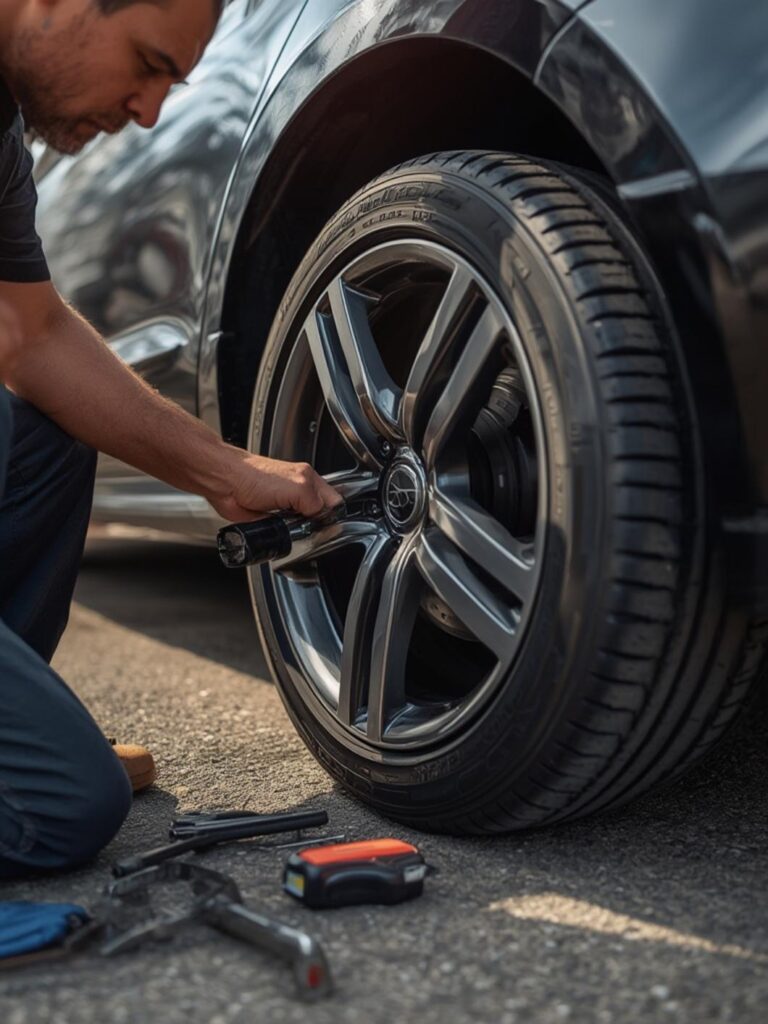
Watch out for these common errors:
1. Skipping rotations: Leads to premature wear and uneven handling
2. Incorrect torque: Over-tightening can warp rotors; under-tightening creates safety hazards
3. Improper patterns: Using the wrong rotation pattern for your drivetrain type
4. Mixing rotation with alignment: These are separate services with different purposes
Storage / Maintenance Tips
Between rotations, maintain your tires by:
– Checking pressure monthly and before long trips
– Inspecting tread depth regularly (insert a penny with Lincoln’s head down—if you can see his entire head, it’s time for new tires)
– Keeping tires properly inflated to manufacturer specifications
– Cleaning tires with mild soap and water to remove corrosive materials
Conclusion
Understanding how often to rotate tires is a fundamental aspect of vehicle maintenance that pays dividends in safety, performance, and cost savings. By following the recommended tire rotation intervals and proper techniques outlined above, you’ll maximize your tires’ lifespan and maintain optimal vehicle handling. Make tire rotation a regular part of your maintenance routine and your vehicle—and wallet—will thank you.
FAQs
Q: Can I rotate tires myself, or should I go to a professional?
A: DIY rotation is possible with proper tools and knowledge, but professionals have the right equipment and expertise to ensure the job is done correctly and safely.
Q: Should I still rotate tires if I have an all-wheel drive vehicle?
A: Yes, AWD vehicles still experience uneven tire wear, though it may occur more gradually than in front or rear-wheel drive vehicles.
Q: What if my tires have different tread depths when I rotate them?
A: Always place the tires with the most tread depth on the rear axle to maintain stability and reduce hydroplaning risk.
Q: Do I need an alignment when rotating tires?
A: No, they’re separate services. However, if you notice uneven wear after rotation, an alignment check may be necessary.
Q: Can rotating tires improve fuel efficiency?
A: Yes, evenly worn tires create less rolling resistance, which can improve fuel economy by 1-3%.