
How to choose long-lasting tire speed ratings guide
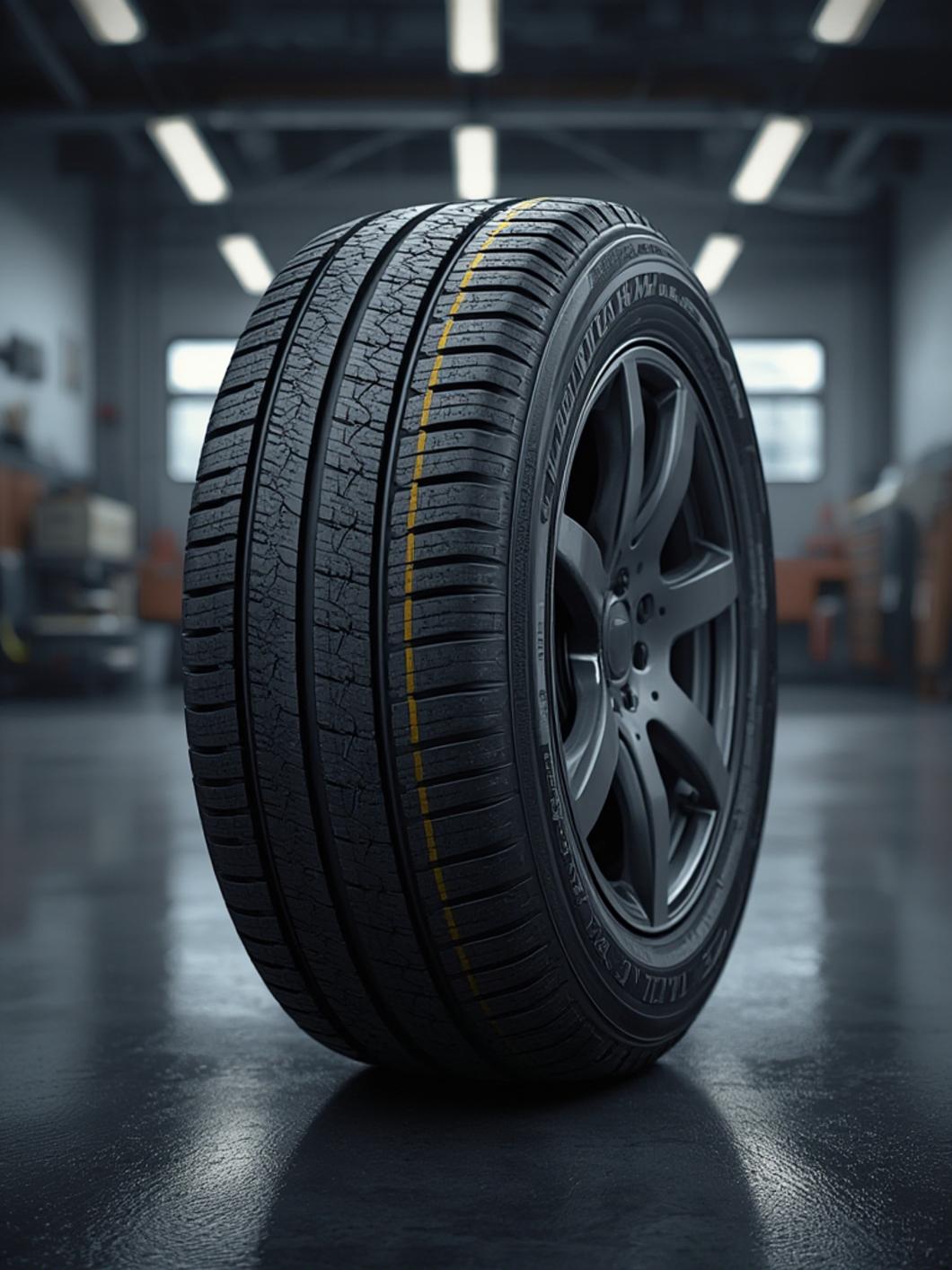
Have you ever wondered what those mysterious letters and numbers on the sidewall of your tires actually mean? Decoding your tire speed ratings and tire load index is crucial for maintaining optimal vehicle performance and safety. Many drivers overlook these important indicators, potentially compromising their vehicle’s handling, fuel efficiency, and overall safety.
Table of Contents
Taking the time to understand and properly maintain your tires at home can save you money on replacements and potentially prevent dangerous situations on the road.
Materials & Supplies
To properly maintain your tires and check their specifications, you’ll need:
1. Tire pressure gauge – Essential for checking inflation levels (digital versions offer more precise readings)
2. Portable air compressor – For adjusting tire pressure as needed
3. Penny or tread depth gauge – To check tread wear
4. Flashlight – For better visibility when inspecting sidewall markings
5. Notebook or smartphone – To record tire specifications and maintenance history
6. Tire cleaning solution – To clean the sidewall for better visibility of markings
7. Microfiber cloth – For gentle cleaning without scratching
8. Magnifying glass – Helpful for reading small print on tire sidewalls
9. Owner’s manual – Contains vehicle-specific tire recommendations
Timing / Inspection Schedule

Checking your tire specifications should be part of your regular maintenance routine. Experts recommend:
– Monthly pressure checks – Temperature changes affect tire pressure significantly
– Seasonal inspections – Check speed ratings and load index when switching between summer and winter tires
– Pre-trip verification – Confirm proper tire specifications before long journeys or when carrying heavy loads
– Post-purchase confirmation – Verify that newly purchased tires match your vehicle’s requirements
– During rotation – Incorporate specification checks into your regular tire rotation schedule (every 5,000-8,000 miles)
Understanding your vehicle’s tire speed ratings becomes particularly important before highway driving or when planning trips in variable weather conditions, while checking the tire load index is essential before hauling or towing.
Step-by-Step Instructions
1. Locate the tire information panel – Find the alphanumeric code on your tire’s sidewall (e.g., P225/60R16 91V)
– Tip: Clean the sidewall with a damp cloth first for better visibility
2. Identify the speed rating – This is typically the last letter in the code (V in our example)
– Tip: Create a reference card with common speed ratings to keep in your glove compartment
3. Decipher the speed rating – Each letter corresponds to a maximum speed:
– S = up to 112 mph
– T = up to 118 mph
– H = up to 130 mph
– V = up to 149 mph
– Z, W, Y = 149+ mph
– Tip: Never exceed your tire’s speed rating, even if your vehicle is capable of higher speeds
4. Find the load index – This is the number before the speed rating (91 in our example)
– Tip: The load index refers to per tire capacity, not the vehicle’s total capacity
5. Calculate load capacity – Reference a load index chart to convert the number to pounds
– Tip: Maintain proper inflation pressure to ensure the tire can support its rated load
Understanding both tire speed ratings and tire load index is essential for making informed decisions about your vehicle’s capabilities and limitations.
Benefits / Advantages
– Enhanced safety – Proper tire specifications significantly reduce blowout risks
– Improved handling – Correctly rated tires provide better response in emergency maneuvers
– Better fuel economy – Appropriate tires for your vehicle optimize fuel consumption
– Extended tire life – Using properly rated tires prevents premature wear
– Warranty protection – Maintaining correct specifications preserves manufacturer warranties
– Legal compliance – Many regions have regulations regarding appropriate tire ratings
Tips, Alternative Methods, or Driving Advice
– Climate considerations – Higher speed ratings often use softer rubber compounds that perform better in warm weather but wear faster
– Replacement strategy – Always replace tires with the same or higher ratings than your vehicle manufacturer specifies
– Load adjustments – When regularly carrying heavy loads, consider tires with higher load indexes
– Smartphone apps – Several applications can help decode tire information by scanning or entering the tire code
– Winter driving – Winter tires may have lower speed ratings but superior cold-weather performance
Common Mistakes to Avoid

– Ignoring minimum requirements – Using tires with lower ratings than recommended by your vehicle manufacturer
– Mismatching tires – Installing tires with different speed ratings or load indexes on the same vehicle
– Overloading – Exceeding the maximum weight capacity indicated by the load index
– Speed rating confusion – Mistaking the speed rating for a performance indicator rather than a safety limit
– Disregarding age – Using tires past their recommended lifespan (typically 6-10 years), regardless of tread depth
Storage / Maintenance Tips
– Regular pressure checks – Verify pressure when tires are cold for accurate readings
– Rotation schedule – Rotate tires every 5,000-8,000 miles to ensure even wear
– Seasonal storage – Store unused seasonal tires in cool, dry places away from direct sunlight
– Protection during storage – Use tire bags or covers to prevent rubber degradation
– Documentation – Keep records of all tire specifications, purchase dates, and maintenance history
Conclusion
Understanding your tire speed ratings and tire load index is not just about technical compliance – it’s about ensuring your safety and maximizing your vehicle’s performance. By regularly checking these specifications and maintaining your tires according to their ratings, you’ll enjoy better handling, improved fuel efficiency, and greater peace of mind on the road. Take the time to inspect your tires today and make sure they’re appropriate for your driving needs. Have you checked your tire specifications recently? Share your experience in the comments below or explore our other tire maintenance guides!
FAQs
Q: Can I use tires with different speed ratings on the same vehicle?
A: This practice is generally discouraged. If unavoidable, place the higher-rated tires on the rear axle and never exceed the speed capability of the lowest-rated tire on your vehicle.
Q: Does a higher speed rating mean better tire quality?
A: Not necessarily. While higher-rated tires often use advanced materials and construction, the appropriate rating depends on your vehicle and driving habits. Higher ratings may sacrifice ride comfort, noise level, and tread life.
Q: How does load index affect fuel economy?
A: Tires with higher load indexes tend to be heavier and stiffer, potentially increasing rolling resistance and fuel consumption. Choose the appropriate load index for your needs without excessive overspecification.
Q: Are speed ratings important if I never drive at high speeds?
A: Yes. Speed ratings also indicate a tire’s ability to dissipate heat during normal driving. Lower-rated tires may deteriorate faster, even at moderate speeds, particularly in hot climates.
Q: What happens if I exceed my tire’s speed rating?
A: Exceeding the speed rating increases heat buildup, potentially leading to tire failure, tread separation, or blowouts. This risk increases with duration, load, and environmental conditions.