
How to choose new tires that last 5 years how long do new tires last
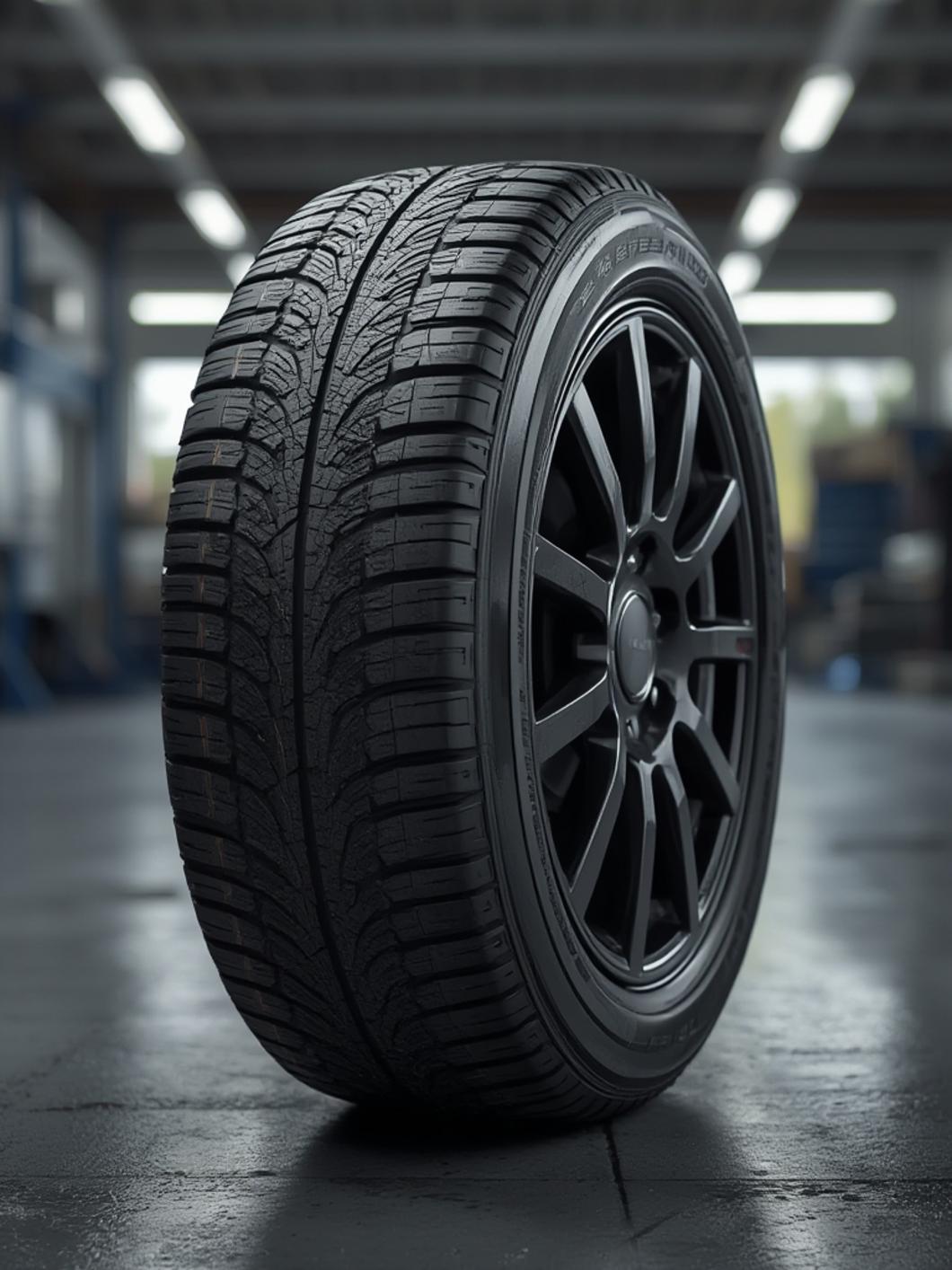
Ever wondered why some drivers seem to replace their tires every few years while others enjoy double the mileage from the same brand? The secret lies in consistent maintenance and awareness of tire lifespan factors that affect performance and durability. With proper care, how long do new tires last becomes less about manufacturer estimates and more about how you treat them daily.
Table of Contents
Regular maintenance not only extends tire life but also enhances vehicle safety, improves fuel economy, and saves you significant money in the long run.
Materials & Supplies
To properly maintain your tires at home, you’ll need:
1. Tire pressure gauge – Digital models offer precise readings (accuracy within 0.5 PSI)
2. Portable air compressor – Look for models that can reach at least 35 PSI
3. Tread depth gauge – Essential for monitoring wear patterns
4. Jack and jack stands – Rated for your vehicle’s weight
5. Torque wrench – For proper lug nut tightening
6. Tire cleaning solution – Specifically formulated for rubber
7. Microfiber cloths – Prevents scratching or damage
8. Tire shine product (optional) – Choose silicone-based for longer protection
9. Valve stem caps – Inexpensive but critical for preventing air leaks
10. Tire rotation diagram – Vehicle-specific rotation pattern
Timing / Inspection Schedule
Regular inspection is crucial for maximizing tire longevity:
- Monthly pressure checks – Temperature changes affect pressure by approximately 1 PSI per 10°F
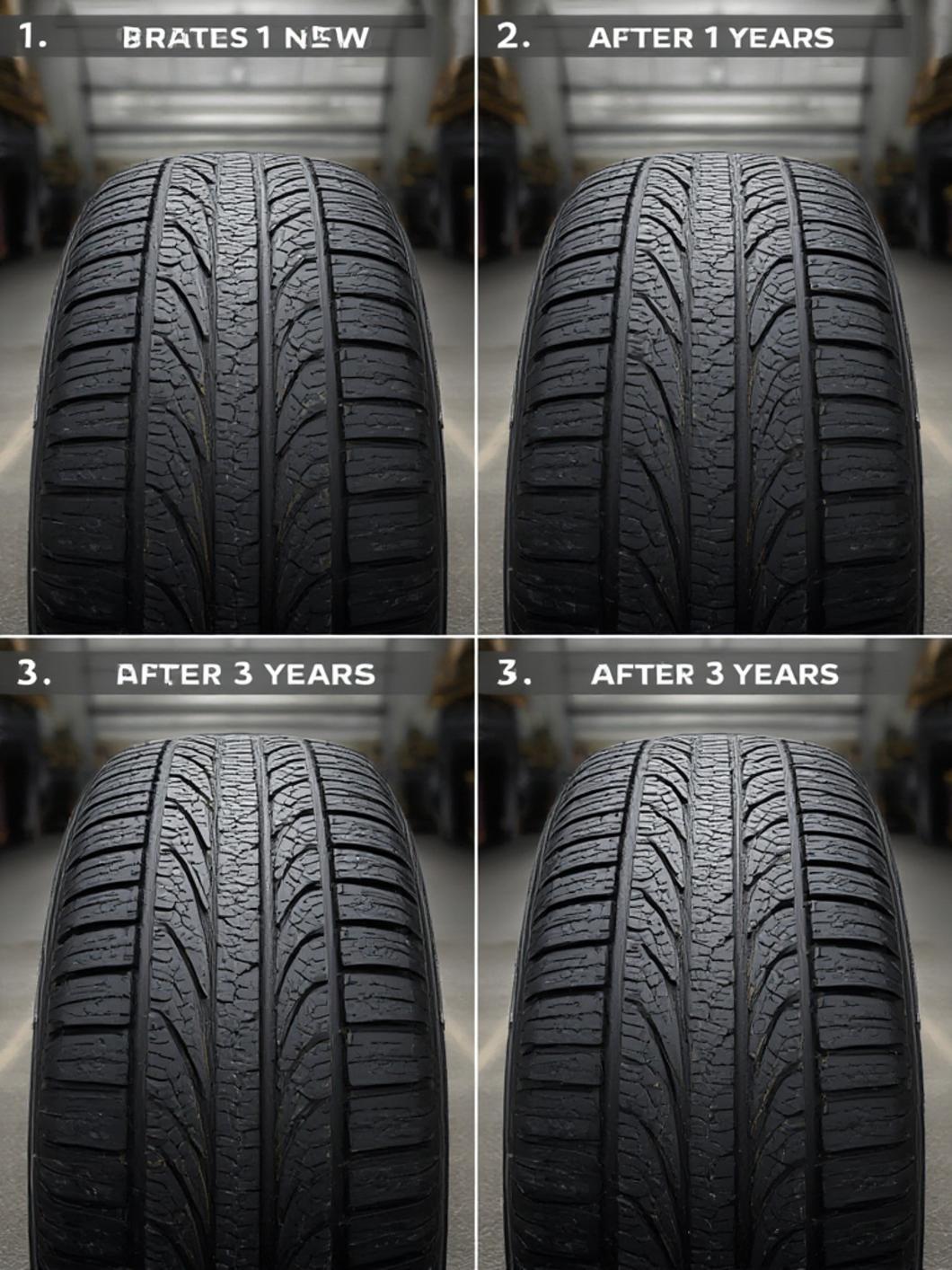
- Tread depth measurements – Every 3,000 miles or quarterly
- Tire rotation – Every 5,000-8,000 miles (consult vehicle manual)
- Wheel alignment check – Annually or when experiencing pulling/vibration
- Visual inspection – Weekly for cuts, bulges, or foreign objects
- Seasonal assessments – Before extreme temperature changes
- Complete tire evaluation – At 4 years regardless of visible wear
Even with minimal visible wear, most manufacturers recommend replacement at 6-10 years due to rubber compound degradation.
Step-by-Step Instructions
1. Check tire pressure when cold
* Wait at least 3 hours after driving
* Compare readings to the manufacturer’s recommended PSI (located on driver’s door jamb)
* Under-inflation by just 5 PSI can reduce how long do new tires last by up to 25%
2. Measure tread depth regularly
* Insert a penny with Lincoln’s head facing downward
* If you can see the top of Lincoln’s head, tread depth is below 2/32″ and tires need replacement
* Monitor uneven wear patterns which indicate alignment issues
3. Implement a rotation schedule
* Document each rotation with date and mileage
* Follow the pattern recommended for your drive type (FWD, RWD, AWD)
* Ensure proper torque specification when reinstalling (usually 80-100 ft-lbs)
4. Clean tires monthly
* Remove brake dust and road grime that can accelerate rubber aging
* Avoid petroleum-based cleaners that deteriorate rubber compounds
* Consider tire lifespan factors like UV protection when applying dressings
Benefits / Advantages
Proper tire maintenance delivers multiple rewards:
- Enhanced safety – Reduces stopping distance by up to 30% in wet conditions
- Improved fuel efficiency – Properly inflated tires save approximately 3-4% on fuel costs
- Extended tire life – Potentially doubles usable mileage
- Better handling – Maintains vehicle stability during emergency maneuvers
- Reduced blowout risk – Prevents catastrophic failures at highway speeds
- Lower environmental impact – Fewer prematurely discarded tires
Tips, Alternative Methods, or Driving Advice
- Speed management – Each 5 mph over 60 mph accelerates wear by approximately 5%
- Load considerations – Stay under maximum load ratings (check sidewall)
- Driving style adjustments – Avoid rapid acceleration and hard braking
- Surface awareness – Minimize exposure to rough roads when possible
- Nitrogen inflation option – Provides more stable pressure in temperature fluctuations
- Climate-specific approaches – Use appropriate compounds for your region
- Storage practices – For seasonal tires, store in cool, dry locations away from sunlight
Common Mistakes to Avoid
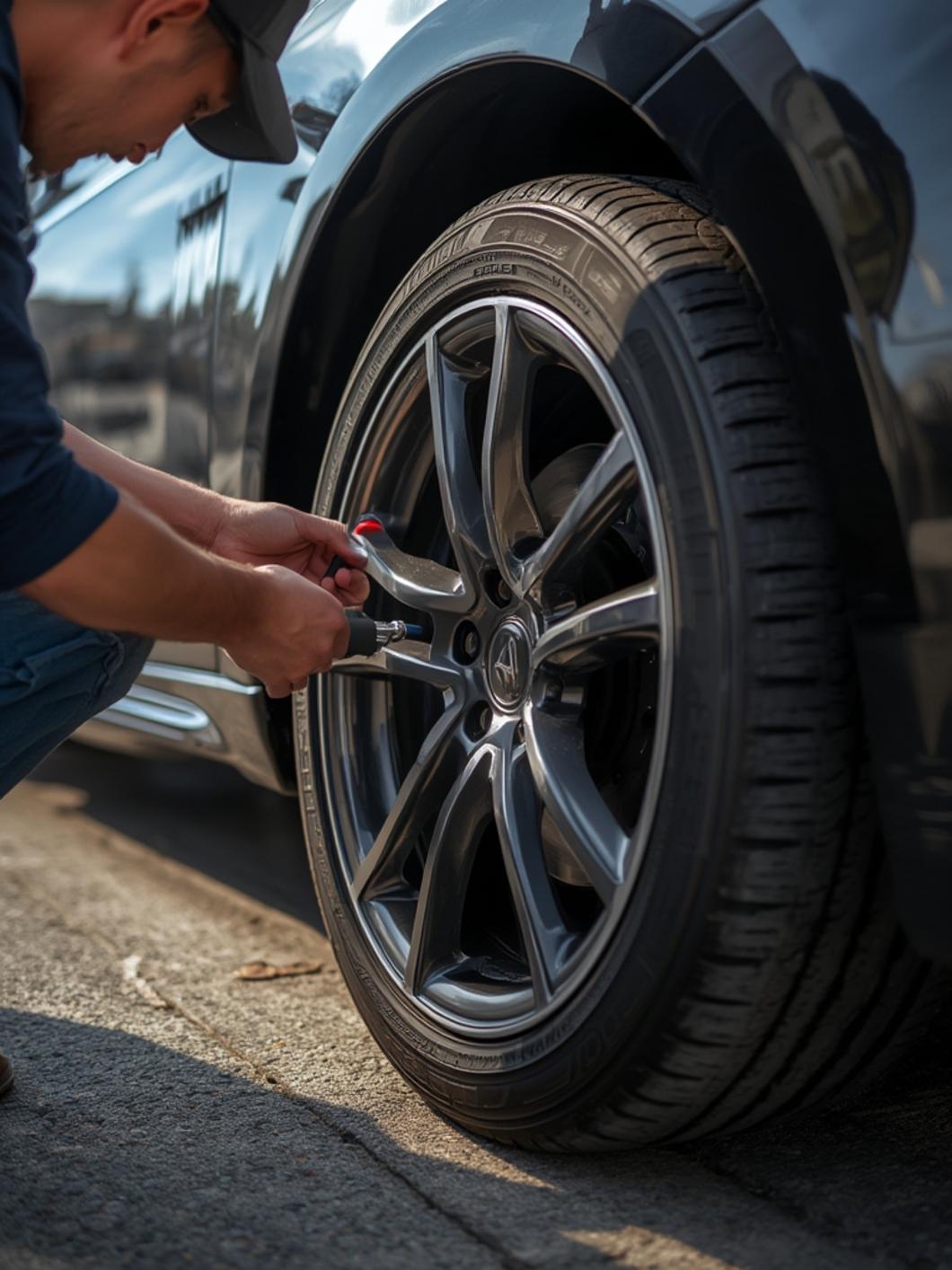
1. Ignoring slow leaks – Even 2-3 PSI loss monthly indicates a problem needing attention
2. Mismatched tires – Creates dangerous handling imbalances and accelerates wear
3. Neglecting alignment – Can reduce tire life by 50% or more
4. Over/under inflation – Both extremes create wear patterns that cannot be corrected
5. Using tire shine on treads – Makes tires dangerously slippery
6. Curb impact dismissal – Can cause internal damage invisible to casual inspection
Storage / Maintenance Tips
- Seasonal storage – Clean thoroughly, inflate to recommended pressure, and stack horizontally
- Long-term parking – Move vehicle every two weeks to prevent flat spots
- UV protection – Use tire covers for vehicles stored outdoors
- Pressure monitoring – Check monthly even when not in use
- Weight distribution – Avoid storing heavy items on tires
Conclusion
Understanding how long do new tires last depends greatly on your maintenance practices and awareness of tire lifespan factors that influence performance. While manufacturers might quote 50,000-80,000 miles for premium tires, your actual results will reflect your dedication to proper inflation, rotation, alignment, and driving habits. Start implementing these practices today to maximize your tire investment and enhance your vehicle’s safety and efficiency. Share your tire maintenance routine in the comments or explore our related guides for more automotive care tips.
FAQs
Q: How can I tell if my tires need replacement besides tread depth?
A: Look for sidewall cracking, bulges, vibration while driving, age over 6 years, or manufacturing date code showing production before 2016.
Q: Does climate affect tire lifespan significantly?
A: Yes, extreme heat accelerates rubber aging by up to 30%, while winter conditions and road salt can damage rubber compounds and wheel assemblies.
Q: Is tire rotation really necessary if wear looks even?
A: Absolutely. Even invisible wear patterns develop based on drivetrain configuration, and regular rotation ensures all tires wear at similar rates.
Q: Are premium tires worth the extra cost?
A: Generally yes. Premium tires typically use higher-grade rubber compounds and construction techniques that enhance longevity, often providing 20-40% more usable miles.
Q: How do driving habits affect tire longevity?
A: Aggressive acceleration, hard braking, and high-speed cornering can reduce tire life by up to 50%, while gentle driving with proper technique can extend it significantly.