
How to choose the perfect tire pressure signal

Have you ever been driving and suddenly noticed that annoying yellow warning light on your dashboard? Understanding when and how to reset your tire pressure signal is essential for maintaining your vehicle’s safety and performance.
Table of Contents
The Tire Pressure Monitoring System (TPMS) is designed to alert you when tire pressure drops below recommended levels, but sometimes the light stays on even after you’ve properly inflated your tires. This comprehensive guide will walk you through the process of resetting your tire pressure light, ensuring your vehicle’s monitoring system works correctly for optimal driving safety and tire longevity.
Materials & Supplies
To properly reset your tire pressure light, you’ll need the following items:
1. Tire Pressure Gauge – A reliable digital or analog gauge for accurate pressure readings
2. Air Compressor – Either a portable model or access to one at a gas station
3. Vehicle Owner’s Manual – Contains specific instructions for your vehicle model
4. TPMS Reset Tool (optional) – Some vehicles require a specialized tool for resetting
5. OBD-II Scanner (optional) – For diagnosing more complex TPMS issues
6. Valve Stem Caps – To replace any missing caps after checking pressure
7. Notepad – For recording recommended PSI values for each tire
8. Safety Gloves – To protect your hands during the procedure
Timing / Inspection Schedule

You should check your tire pressure at least once a month and before long trips. Temperature changes significantly affect tire pressure, with each 10°F change causing approximately 1 PSI difference. This makes seasonal transitions particularly important times to monitor your tires. Most vehicles will need a TPMS reset after:
– Routine tire rotations (every 5,000-8,000 miles)
– Tire replacements
– Sensor battery replacement (typically every 5-7 years)
– After significant altitude changes during travel
– Following any tire service work
The entire reset process typically takes 5-15 minutes, depending on your vehicle model and the method required.
Step-by-Step Instructions
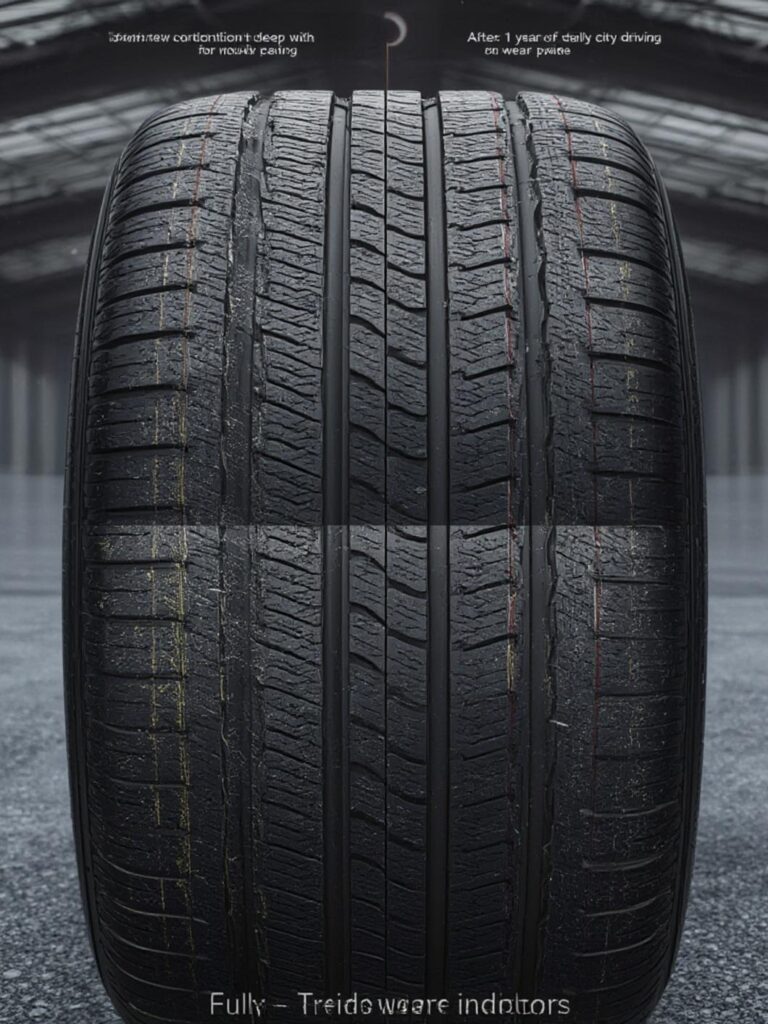
1. Verify Correct Tire Pressure
– Check your vehicle’s recommended PSI (typically on a sticker inside the driver’s door jamb)
– Ensure tires are cold (vehicle hasn’t been driven for at least 3 hours)
– Inflate all tires to the exact recommended pressure
– Don’t forget to check the spare tire if your vehicle monitors it
2. Locate the TPMS Reset Button
– In most vehicles, the TPMS reset button is located under the steering wheel, in the glove compartment, or within the vehicle’s infotainment system menu
– Consult your owner’s manual for the exact location specific to your vehicle model
3. Reset Procedure
– Turn the ignition to the “ON” position (don’t start the engine)
– Press and hold the tire pressure signal reset button until the TPMS light blinks three times
– Release the button and start the engine
– For vehicles without a reset button, drive at speeds above 50 mph for at least 10 minutes to recalibrate the system
4. Verify Reset Success
– The warning light should turn off immediately or after driving for a short period
– If the light remains on, repeat the procedure or consult your owner’s manual for model-specific instructions
Benefits / Advantages
Properly maintaining and resetting your tire pressure monitoring system offers numerous benefits:
– Improved fuel efficiency (up to 3% better gas mileage)
– Extended tire life (up to 25% longer tread life)
– Enhanced vehicle handling and braking performance
– Reduced risk of blowouts and accidents
– Early warning of slow leaks or punctures
– Prevention of uneven tire wear patterns
Tips, Alternative Methods, or Driving Advice
For vehicles with indirect TPMS (using ABS sensors instead of pressure sensors):
– The reset procedure typically involves navigating through the vehicle’s infotainment menu
– Some newer vehicles automatically recalibrate after driving a certain distance
For seasonal considerations:
– Always adjust tire pressure according to temperature changes
– Winter tires may have different recommended pressures than all-season tires
– Some vehicles have different recommended pressures for normal loads versus heavy loads
Common Mistakes to Avoid
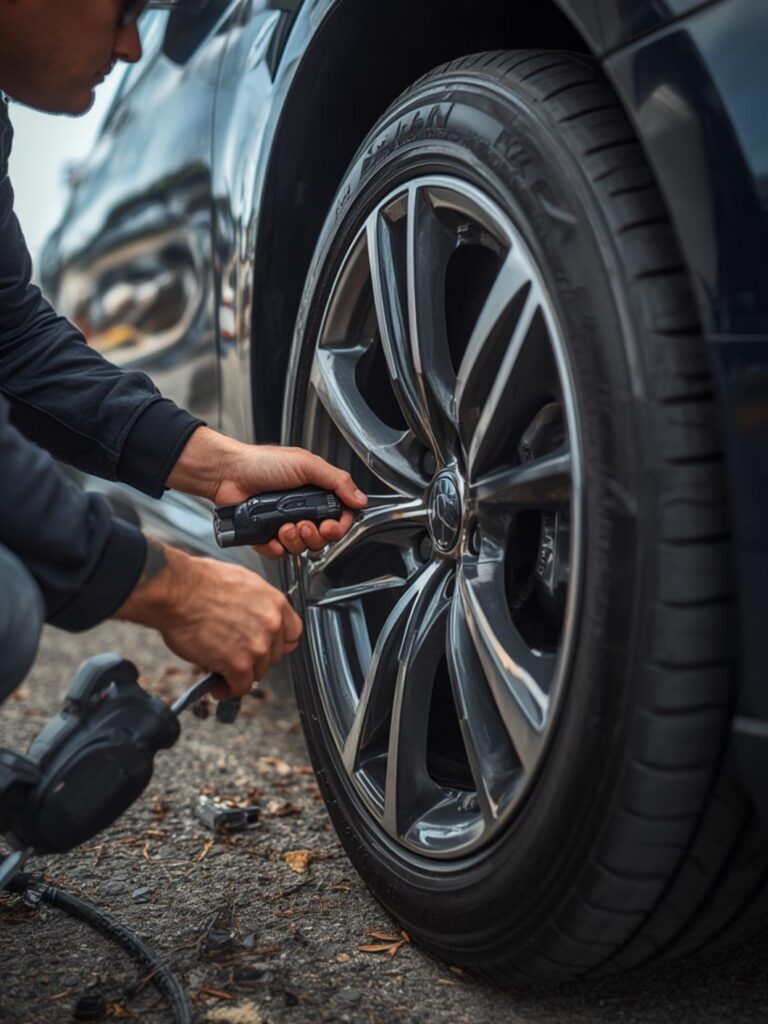
1. Checking Pressure When Tires Are Hot
– Heat expands air, giving false high readings
– Always check pressure when tires are cold for accuracy
2. Ignoring Persistent Warning Lights
– If the light returns after reset, you likely have a real pressure issue, sensor problem, or battery failure
3. Incorrect Pressure Levels
– Never use the pressure listed on the tire sidewall (that’s the maximum, not recommended)
– Follow manufacturer specifications from your door jamb sticker or manual
4. Forgetting to Replace Valve Caps
– These small caps protect the valve from debris and moisture that can cause leaks
Storage / Maintenance Tips
Maintain your TPMS system with these practices:
– Have sensors checked during regular tire service
– Replace sensor batteries every 5-7 years
– Keep valve stems clean and properly capped
– Consider sensor replacement when buying new tires
– Be aware that extreme temperatures can temporarily trigger false warnings
– Have your system professionally diagnosed if resets don’t resolve the issue
Conclusion
Understanding how to properly reset your tire pressure signal is a simple yet vital skill for every vehicle owner. By following these straightforward steps and implementing regular tire pressure checks, you’ll ensure optimal performance, safety, and longevity for both your tires and TPMS sensors. Remember that while the reset procedure is important, it should never replace proper tire maintenance and pressure monitoring. Take charge of your vehicle’s tire health today, and enjoy safer, more efficient driving for miles to come.
FAQs
Q: Why does my tire pressure light come on when it’s cold outside?
A: Cold temperatures cause air to contract, lowering tire pressure. For every 10°F drop in temperature, tire pressure decreases by approximately 1 PSI. This is normal and usually requires adding a small amount of air.
Q: How accurate are built-in TPMS sensors?
A: Most TPMS sensors are accurate within 1-3 PSI. For precise readings, always use a quality tire pressure gauge to verify actual pressure levels.
Q: Can I drive with the TPMS light on?
A: While you can drive short distances, it’s not recommended. The light indicates at least one tire is significantly underinflated (typically by 25% or more), which can be dangerous and damage your tires.
Q: Will a tire rotation trigger my TPMS light?
A: Yes, on many vehicles, rotating tires can trigger the TPMS light because the system detects the sensors in different positions. A reset is typically required after rotation.
Q: How much does it cost to replace a TPMS sensor?
A: Replacement costs range from $50-$250 per sensor, depending on your vehicle make and model, plus installation labor. Many experts recommend replacing all sensors simultaneously for consistent performance.