
How to Choose the Right Tire Pressure Sensor Fault Replacement

Ever noticed that annoying dashboard light that seems to illuminate at the most inconvenient times? Understanding how to respond to a tire pressure sensor fault can save you from potential safety hazards and expensive repairs. When the TPMS warning light illuminates, many drivers feel uncertain about what steps to take next.
Table of Contents
Proper tire maintenance isn’t just about aesthetics it directly impacts your vehicle’s safety, performance, and fuel efficiency. This comprehensive guide will walk you through everything you need to know about handling these common tire-related issues.
Materials & Supplies
To effectively monitor and maintain your tire pressure system, you’ll need several essential tools:
1. Digital tire pressure gauge – For accurate pressure readings
2. Portable air compressor – To inflate tires to the correct PSI
3. TPMS reset tool – For resetting the system after maintenance
4. Valve stem tool – For replacing valve stems and sensors
5. Torque wrench – For proper wheel installation
6. Safety gloves – To protect your hands during maintenance
7. Owner’s manual – For vehicle-specific TPMS information
8. Spare TPMS sensors – For emergency replacements (optional)
9. OBD-II scanner – For reading detailed TPMS diagnostic codes (optional)
Timing / Inspection Schedule
Regular monitoring of your tire pressure system is crucial for preventing sensor faults. Check your tire pressure at least once a month, with additional checks during significant temperature changes (±10°F can change tire pressure by 1-2 PSI). Most TPMS sensors have batteries with 5-7 year lifespans, so plan for sensor replacement around this interval.
Seasonal transitions require special attention as temperature fluctuations often trigger the warning light. Compare this to engine oil changes (every 5,000-7,500 miles) – your tire pressure should be checked 4-6 times more frequently for optimal vehicle performance and safety.
Step-by-Step Instructions
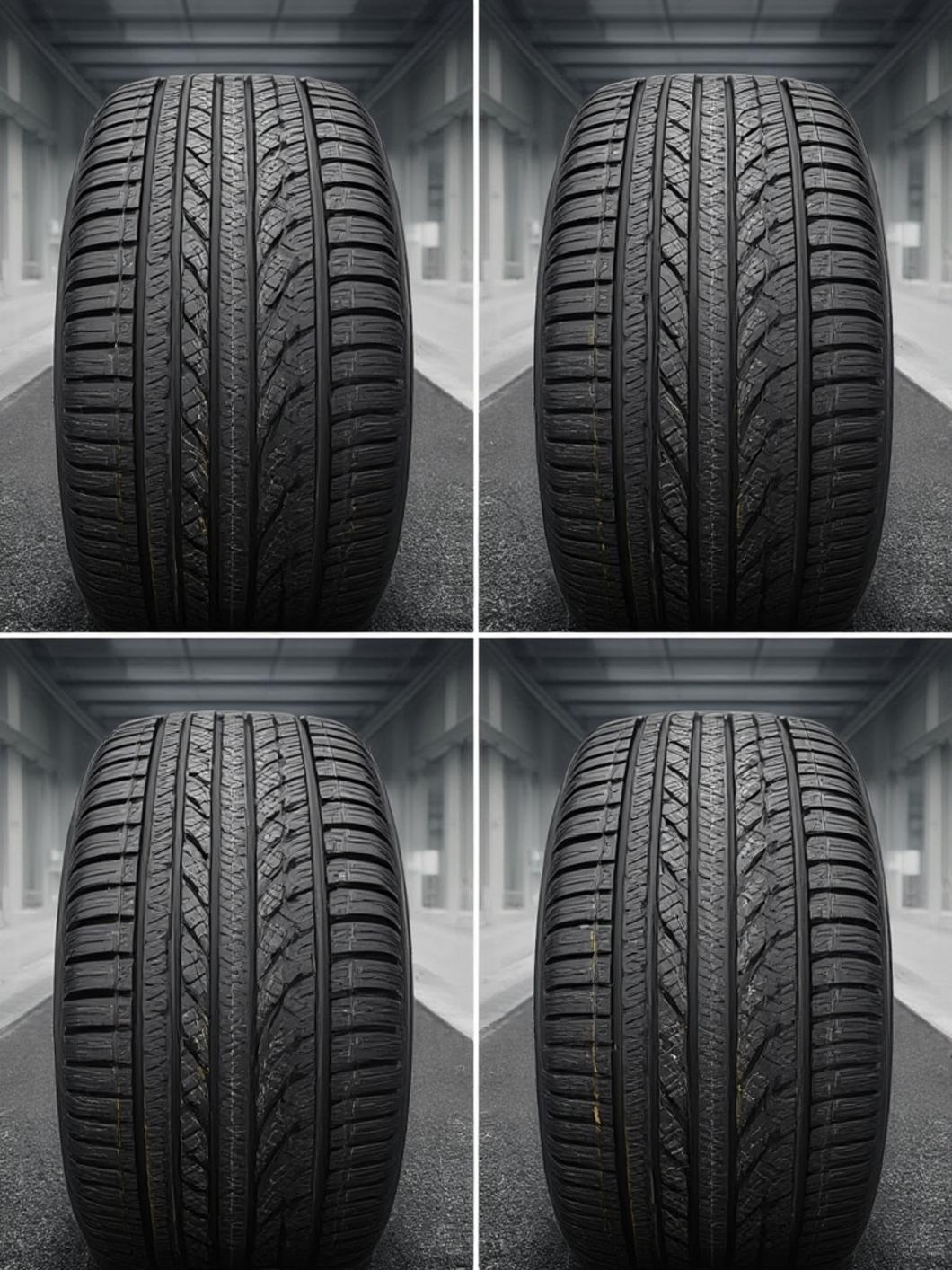
1. Identify the cause: When a tire pressure sensor fault occurs, first check if all tires (including spare) have correct pressure according to your vehicle’s door jamb sticker.
2. Reset the system: After correcting pressure, use your vehicle’s TPMS reset button (usually in the glove box or under the steering wheel) or follow the manual reset procedure.
3. Drive to recalibrate: Drive above 20 mph for at least 10 minutes to allow sensors to recalibrate.
4. Check for persistent warnings: If the TPMS warning light remains lit, use an OBD-II scanner to read specific fault codes.
5. Replace sensors if necessary: Failed sensors typically need professional replacement, though some DIY kits are available for experienced home mechanics.
6. Verify system function: After maintenance, ensure the warning light turns off and remains off during normal driving.
Benefits / Advantages
Properly maintaining your tire pressure monitoring system provides numerous benefits:
– Increased safety through early warning of dangerous pressure levels
– Improved fuel economy (up to 3% better mileage with properly inflated tires)
– Extended tire life by preventing uneven wear patterns
– Enhanced vehicle handling and stability
– Reduced risk of blowouts and roadside emergencies
– Lower long-term maintenance costs by identifying issues early
Tips, Alternative Methods, or Driving Advice
– During winter, check pressure when tires are cold for the most accurate readings
– Consider programmable aftermarket TPMS systems for customized pressure alerts
– For vehicles without built-in TPMS, portable Bluetooth-enabled sensors can be installed
– When driving with a temporary spare, be aware its sensor may trigger warnings
– For RVs or trailers, specialized TPMS systems are available that integrate with your vehicle’s display
Common Mistakes to Avoid
– Ignoring the warning light: Never continue driving for extended periods with the warning illuminated
– Over-inflating tires: Following gas station air pump gauges rather than your vehicle’s specifications
– Forgetting the spare: Many vehicles monitor spare tire pressure too
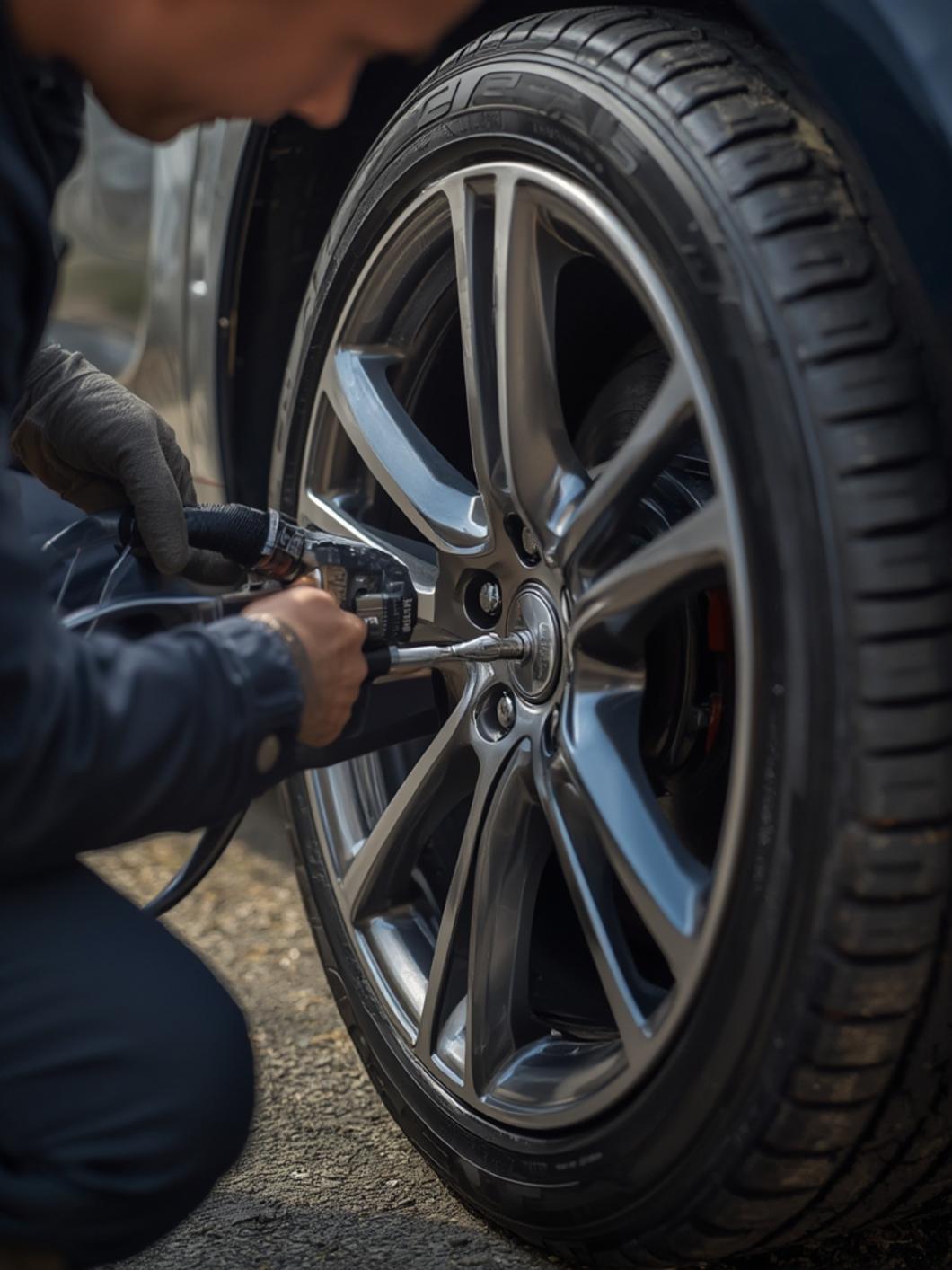
– DIY sensor replacement without relearning: Sensors must be properly programmed to your vehicle
– Using tire sealants without checking compatibility: Some sealants can damage TPMS sensors
Storage / Maintenance Tips
Store spare sensors in a cool, dry place to preserve battery life. When storing a vehicle long-term, consider removing sensors or starting the vehicle periodically to prevent battery drain. During seasonal tire changes, have sensors checked and batteries tested. Clean TPMS valve stems regularly to prevent corrosion, and always replace valve cores when servicing sensors.
Conclusion
Understanding how to respond to a tire pressure sensor fault is an essential skill for every vehicle owner. By following this guide, you’ll be well-equipped to handle that pesky TPMS warning light and ensure your tires remain in optimal condition. Remember that proper tire maintenance not only extends the life of your tires but also significantly improves your vehicle’s safety and performance. Take action today to check your tire pressure system and drive with confidence!
FAQs
How long do TPMS sensors typically last?
Most TPMS sensors last 5-7 years, with battery life being the primary limiting factor. Sensors cannot be recharged and must be replaced when batteries fail.
Can I replace TPMS sensors myself?
While possible, replacement requires specialized tools and programming equipment. Most drivers find professional installation more cost-effective and reliable.
Will aftermarket wheels affect my TPMS system?
Yes, aftermarket wheels may require sensor transfers or new compatible sensors. Always verify TPMS compatibility before purchasing new wheels.
Does tire rotation affect the TPMS system?
Some vehicles track specific sensor locations and require system relearning after rotation. Consult your owner’s manual for vehicle-specific procedures.
Can extreme weather cause false TPMS warnings?
Yes, temperature drops of 10°F can decrease tire pressure by 1-2 PSI, potentially triggering warnings. Always check pressure during significant temperature changes.