
How to choose where to find psi on tire: 3 easy steps
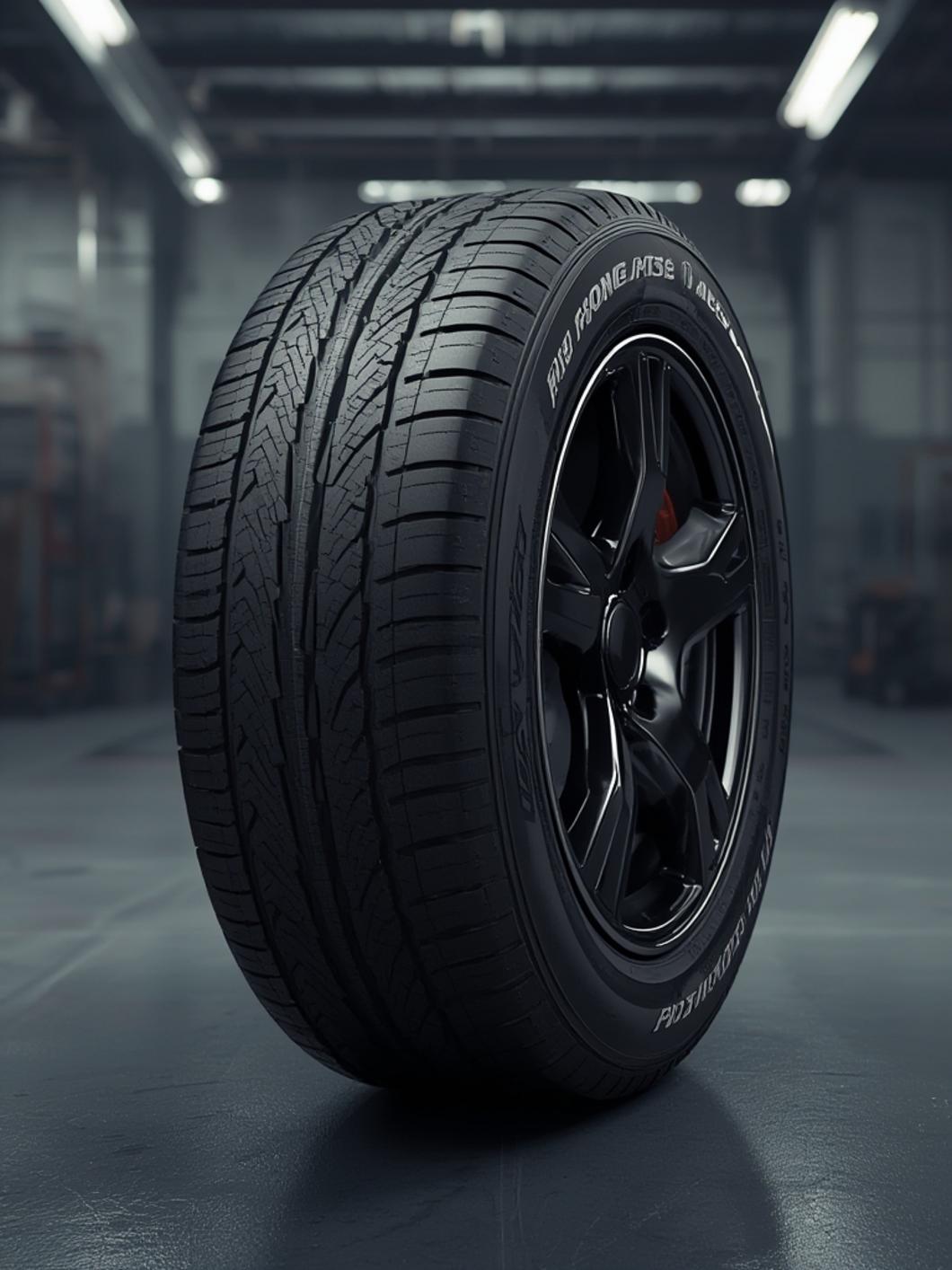
Have you ever wondered why your car sometimes feels like it’s dragging or why your fuel expenses seem higher than they should be? The answer might be as simple as checking your tire pressure. Knowing where to find psi on tire information and following the tire pressure recommendation can significantly impact your vehicle’s performance, safety, and fuel economy.
Table of Contents
Proper tire maintenance is one of the most overlooked yet crucial aspects of car care that you can easily perform at home.
Materials & Supplies
To properly maintain your tires and check their pressure, you’ll need:
1. Tire pressure gauge – Digital models offer precise readings, while analog ones are more durable
2. Portable air compressor – For adding air when needed
3. Valve stem caps – Replacements for any missing caps
4. Clean cloth – To wipe valve stems before checking
5. Notebook – To record readings and track pressure over time
6. Flashlight – For checking tire sidewalls in poor lighting
7. Penny or tread depth gauge – To check tread depth
8. Owner’s manual – Contains vehicle-specific tire information
Optional items include a dedicated tire inflator with built-in gauge and valve core tool for replacing valve stems.
Timing / Inspection Schedule

For optimal performance, check your tire pressure at least once a month and before long trips. The best time to check is when tires are cold – meaning the vehicle hasn’t been driven for at least three hours. This provides the most accurate reading since driving heats up tires and increases pressure readings.
Seasonal changes also impact tire pressure significantly. For every 10°F change in temperature, tire pressure can change by about 1 PSI. This means you should check more frequently during fall and spring when temperature fluctuations are common. Most vehicles benefit from pressure checks every 1,000 miles or at each oil change at minimum.
Step-by-Step Instructions
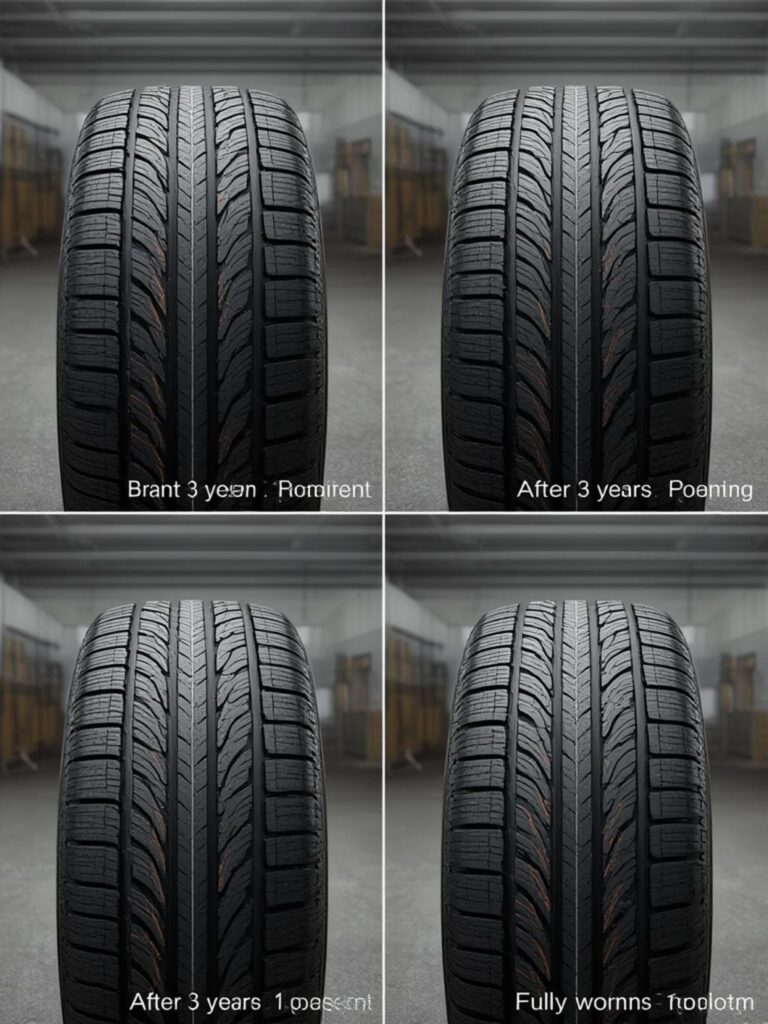
1. Locate the tire pressure information: First, determine where to find psi on tire specifications for your specific vehicle. Check the driver’s side door jamb, fuel door, glove compartment, or owner’s manual for a sticker containing the tire pressure recommendation.
2. Prepare your tires: Ensure tires are cold for accurate readings. Remove the valve cap and store it safely.
3. Check current pressure: Press the tire gauge firmly onto the valve stem until the hissing sound stops. Note the reading.
4. Compare with recommendations: Compare your reading with the manufacturer’s specifications.
5. Add or release air: If too low, add air in short bursts, checking between each. If too high, press the center pin in the valve stem to release air.
6. Recheck all tires: Verify each tire, including the spare, meets the recommended pressure.
7. Replace valve caps: This prevents dirt and moisture from damaging the valve.
Benefits / Advantages
Maintaining proper tire pressure offers numerous benefits:
– Improved fuel economy (up to 3% better mileage)
– Extended tire life (up to 25% longer tread life)
– Enhanced handling and braking performance
– Reduced risk of blowouts and flat tires
– Better traction in various weather conditions
– Reduced vehicle emissions
– Lower maintenance costs long-term
Tips, Alternative Methods, or Driving Advice
– Consider investing in a tire pressure monitoring system (TPMS) that provides real-time pressure readings
– For winter driving, some experts recommend running 3-5 PSI higher than normal for better handling
– When carrying heavy loads, consult your manual for adjusted pressure recommendations
– Nitrogen inflation can help maintain more consistent pressure over time
– Different tire types (all-season, winter, performance) may have different optimal pressure ranges
– Digital gauges generally offer more precise readings than pencil-style gauges
Common Mistakes to Avoid
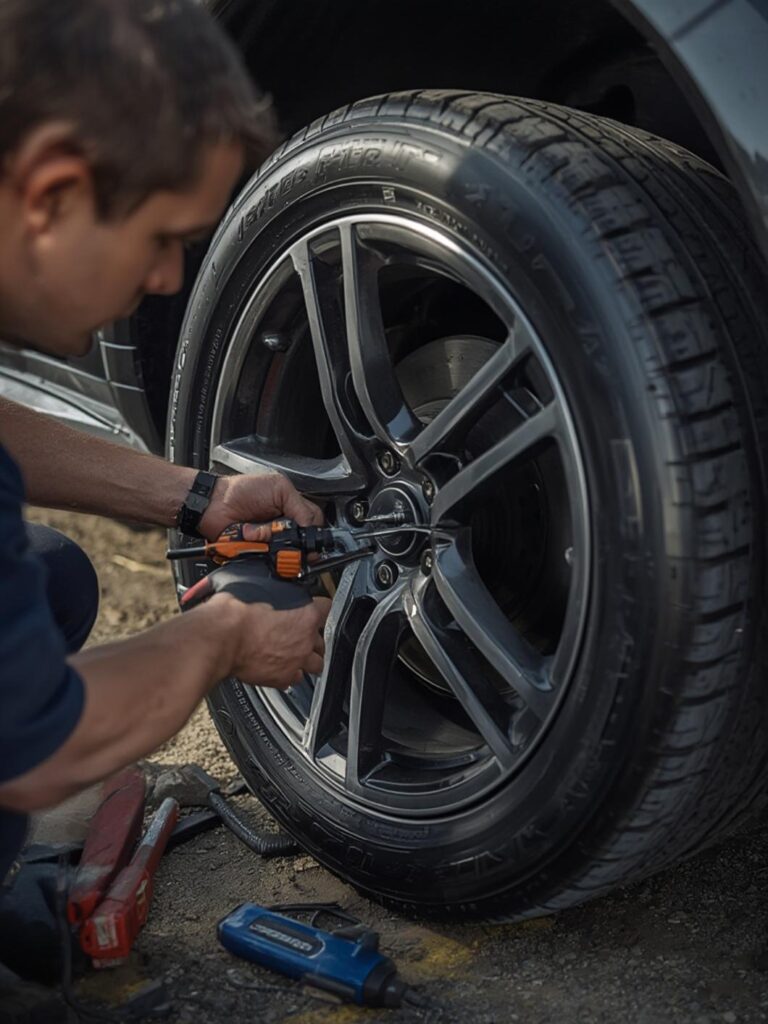
1. Using the number on the tire sidewall: This is the maximum pressure, not the recommended pressure
2. Checking pressure when tires are hot: This gives falsely elevated readings
3. Eyeballing tire pressure: Visual inspection is unreliable; always use a gauge
4. Forgetting the spare tire: Check it regularly too
5. Uneven inflation: Ensure all tires are inflated to the same pressure (unless manufacturer specifies differently)
6. Over-inflating for better fuel economy: This reduces traction and creates uneven wear
Storage / Maintenance Tips
For optimal tire care:
– Rotate tires every 5,000-7,000 miles
– Check alignment if you notice uneven wear patterns
– Keep tires clean and avoid parking in puddles of automotive fluids
– Apply tire protectant to prevent cracking and UV damage
– Store unmounted tires in a cool, dry place away from direct sunlight
– Place stored tires in airtight bags to prevent rubber oxidation
– Store mounted tires stacked horizontally or hung on racks
Conclusion
Proper tire maintenance begins with knowing where to find psi on tire information and following the correct tire pressure recommendation for your specific vehicle. This simple maintenance task takes just minutes but can save you hundreds in fuel costs, prevent dangerous blowouts, and extend the life of your tires. Make tire pressure checks part of your regular vehicle maintenance routine, and you’ll enjoy a safer, more efficient driving experience. Share your tire maintenance experiences in the comments, or check out our related posts on tire rotation and selection.
FAQs
How much does tire pressure typically drop over time?
Tires naturally lose about 1-2 PSI per month due to permeation through the rubber. Temperature changes and small leaks can accelerate this loss.
Is the tire pressure different for front and rear tires?
Many vehicles, especially those with front-wheel drive, have different pressure recommendations for front and rear tires. Always check your vehicle’s specifications.
Can I use a gas station air pump to check pressure?
Yes, but these gauges are often less accurate due to heavy use. For best results, use your personal gauge, then use the station’s air pump if needed.
Should I adjust tire pressure before or after driving?
Always check and adjust pressure when tires are cold. If you must check warm tires, add 4-5 PSI to the recommended cold pressure as a temporary target.
How does tire pressure affect electric vehicle range?
For EVs, proper tire inflation is even more critical. Underinflated tires can reduce range by up to 10% due to increased rolling resistance.