
Longest lasting 36 tire psi tips
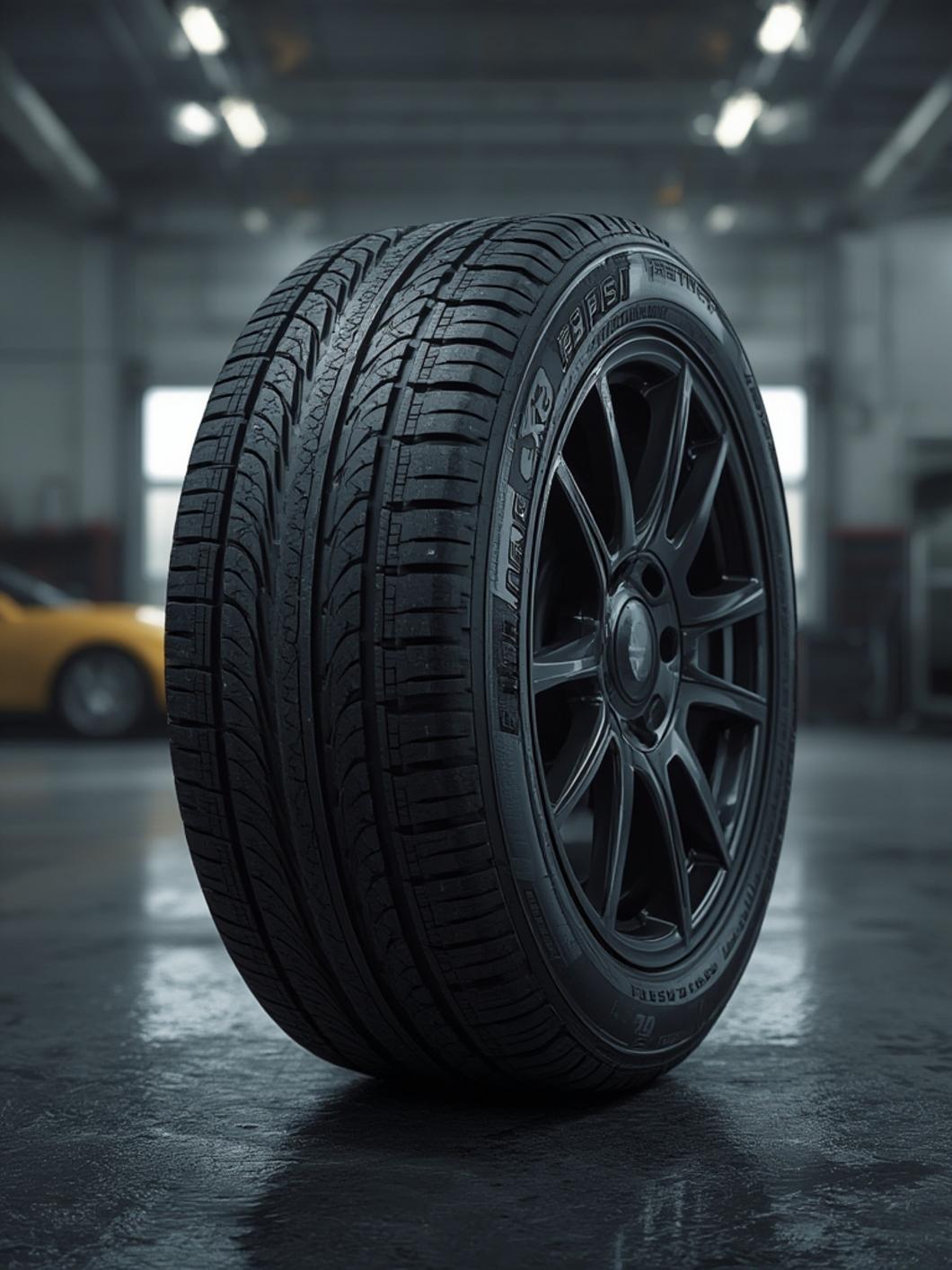
Have you ever wondered why your car sometimes feels sluggish or why your gas mileage suddenly drops? The answer might be right where the rubber meets the road. Maintaining the correct tire psi (pounds per square inch) is one of the most overlooked aspects of vehicle care.
Table of Contents
Using a quality tire pressure gauge regularly can significantly improve your driving experience while extending the life of your tires. This simple maintenance task takes just minutes but delivers substantial benefits for safety, performance, and your wallet.
Materials & Supplies
To properly maintain your tire pressure at home, you’ll need:
1. Digital or analog tire pressure gauge – Essential for accurate readings
2. Air compressor or pump – For adding air when needed
3. Valve stem caps – Small but important for preventing air leaks
4. Notebook or app – To track pressure readings over time
5. Microfiber cloth – For cleaning valve stems before checking
6. Owner’s manual – Contains manufacturer-recommended pressure specifications
7. Tire tread depth gauge – Optional but useful for monitoring tread wear
8. Valve core tool – Helpful for replacing valve cores if leaking
Timing / Inspection Schedule
For optimal performance and safety, check your tire pressure at least once a month and before any long trip. Temperature fluctuations significantly impact tire pressure—pressure decreases approximately 1 PSI for every 10°F drop in temperature. This makes seasonal transitions particularly important times to monitor your tires.
Additional inspection points include:
– After hitting potholes or curbs
– When carrying heavier loads than usual
– If you notice uneven tire wear
– Every oil change (as a convenient reminder)
– When tire pressure monitoring system (TPMS) alerts you
Step-by-Step Instructions
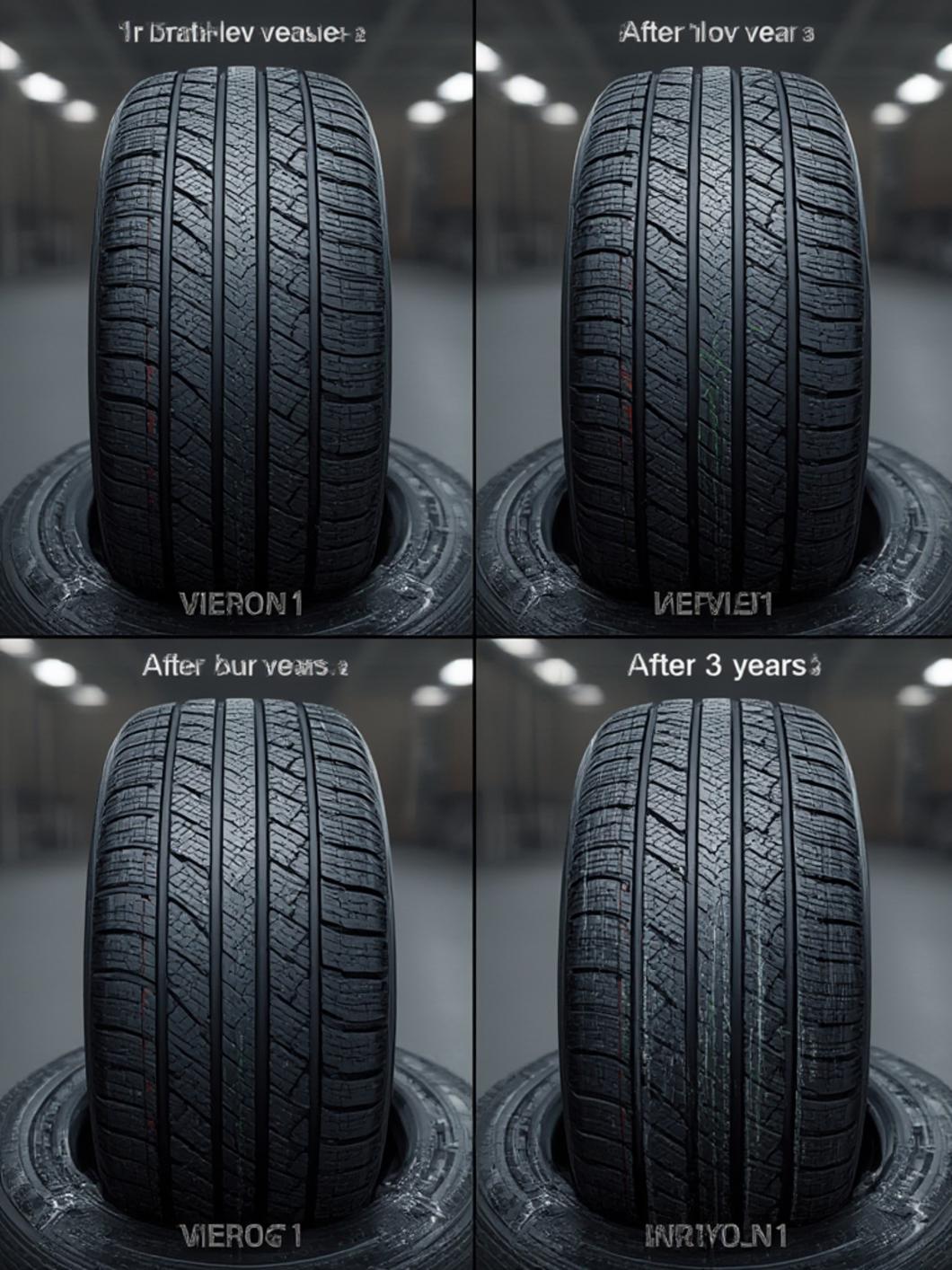
1. Check pressure when tires are cold – Wait at least 3 hours after driving for accurate readings of tire psi.
2. Remove valve stem caps – Store them in a pocket or secure place to avoid losing them.
3. Press the tire pressure gauge firmly onto the valve stem – Hold at a straight angle until the hissing sound stops and you get a reading.
4. Compare with recommended pressure – Find this in your owner’s manual or on the driver’s side door jamb sticker, not on the tire sidewall.
5. Add air if necessary – Use short bursts and recheck pressure frequently to avoid overinflation.
6. Release excess air if overinflated – Press the small pin in the center of the valve stem briefly to release small amounts of air.
7. Recheck pressure after adjusting – Confirm you’ve reached the target PSI.
8. Replace valve stem caps – This prevents dirt and moisture from entering and causing leaks.
Benefits / Advantages
Proper tire pressure maintenance delivers numerous benefits:
– Improved fuel economy (up to 3% better mileage)
– Extended tire life (up to 25% longer tread life)
– Enhanced handling and shorter braking distances
– Reduced risk of blowouts and tire-related accidents
– Better ride comfort and reduced noise
– Lower carbon emissions
– Decreased uneven tread wear
– Reduced strain on suspension components
Tips, Alternative Methods, or Driving Advice
– Consider investing in a portable air compressor for convenience
– Some gas stations have digital air machines that allow you to set the desired PSI
– In winter, consider maintaining pressure 2-3 PSI higher than recommended (still within manufacturer’s range)
– For performance driving, consult with tire specialists about optimized pressures
– If you have nitrogen-filled tires, still check pressure regularly—they also lose pressure over time
– Use tire pressure monitoring systems for real-time alerts
Common Mistakes to Avoid
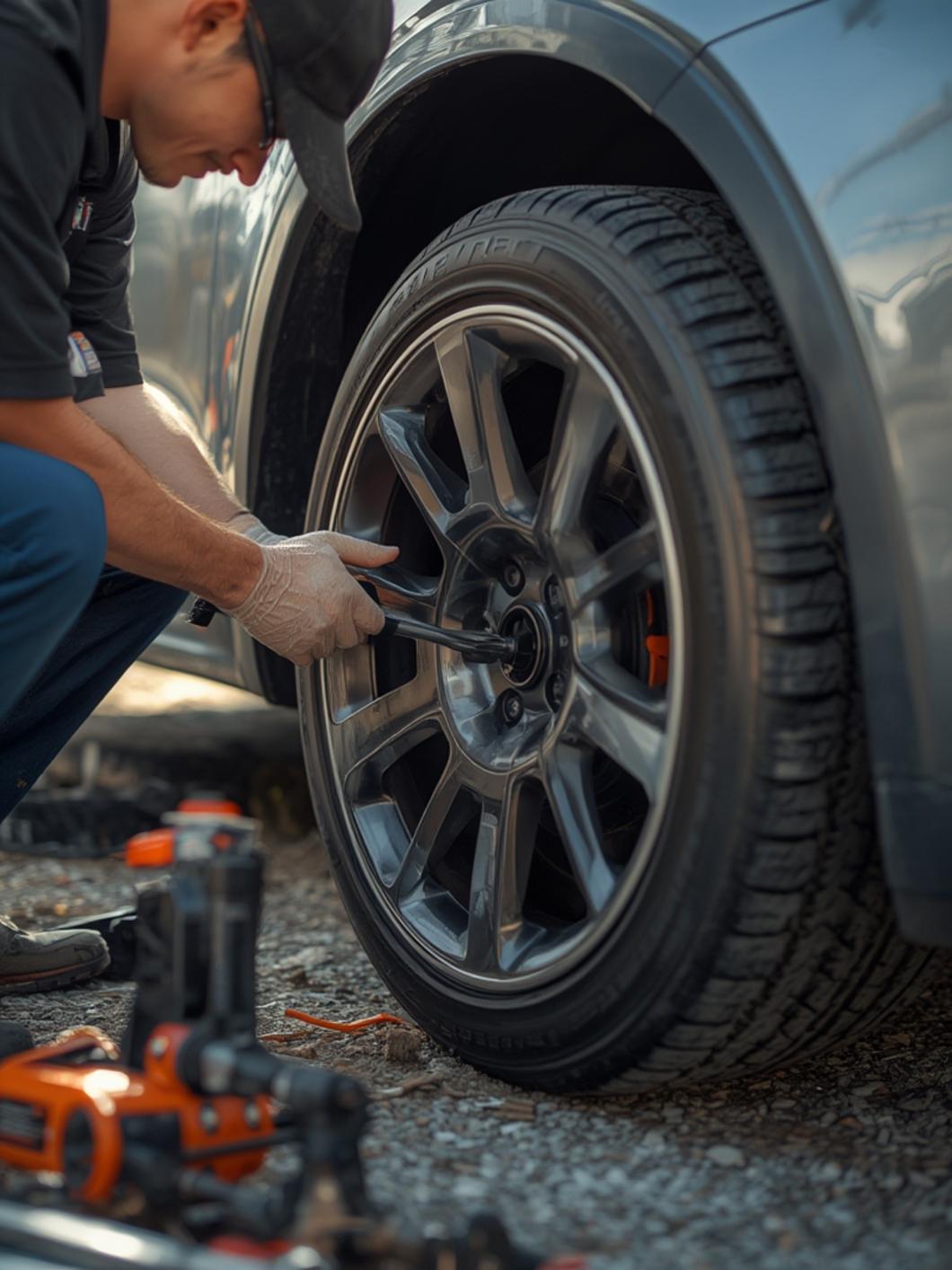
1. Checking pressure when tires are hot – Heat expands air, giving falsely high readings
2. Using the PSI listed on the tire sidewall – This is the maximum pressure, not the recommended pressure
3. Eyeballing tire pressure – Tires can look normal even when 10+ PSI low
4. Forgetting to check spare tires – They lose pressure too and might be flat when needed
5. Inconsistent pressure between tires – This can cause handling issues and uneven wear
6. Ignoring TPMS warnings – These systems are designed to alert you before damage occurs
Storage / Maintenance Tips
For seasonal tire storage:
– Clean tires thoroughly before storing
– Keep in cool, dry locations away from direct sunlight
– Store vertically or on tire racks to prevent flat-spotting
– Consider using tire totes or covers for protection
– Maintain 10-15 PSI during storage to retain shape
– Elevate vehicles that sit for extended periods to reduce flat spots
Conclusion
Regular monitoring and maintenance of your tire psi is one of the simplest yet most effective ways to improve vehicle safety and performance. By investing just a few minutes each month with a quality tire pressure gauge, you’ll extend tire life, improve fuel economy, and enjoy a smoother, safer ride. Start implementing these practices today and experience the difference proper tire maintenance makes. Have you noticed improvements after maintaining correct tire pressure? Share your experience in the comments below!
FAQs
How much does tire pressure typically drop in winter?
Tire pressure typically drops 1-2 PSI for every 10°F decrease in temperature. During significant cold snaps, you might see a 4-6 PSI decrease overnight.
Can I damage my tires by adding too much air?
Yes, overinflation reduces the tire’s contact patch with the road, causing center tread wear, a harsher ride, and increased vulnerability to impact damage.
How accurate are the tire pressure gauges at gas stations?
Gas station gauges are frequently damaged or inaccurate due to heavy use. For reliable readings, invest in your own digital or high-quality analog gauge.
Should I reduce tire pressure when carrying heavy loads?
No, actually the opposite—many vehicle manufacturers recommend increasing pressure by 2-4 PSI when carrying heavy loads. Check your owner’s manual for specific guidance.
Is nitrogen better than regular air for maintaining tire pressure?
Nitrogen molecules are slightly larger than oxygen molecules, which can result in marginally slower pressure loss. However, regular maintenance is still required regardless of which gas you use.