
Top rated 3 tips for low tire pressure in cold weather
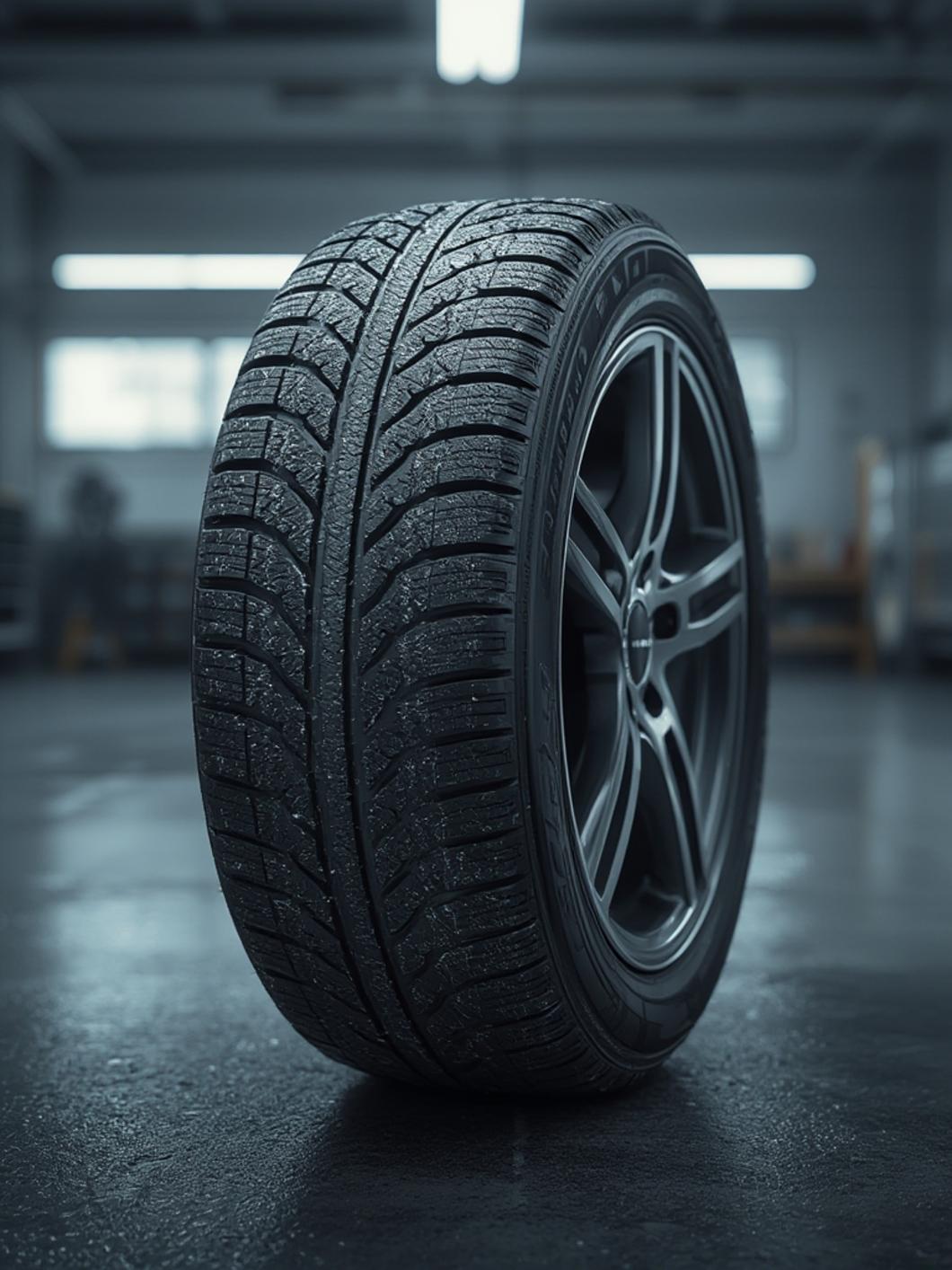
Have you ever walked out to your car on a chilly winter morning only to find your tire pressure light glowing on the dashboard? As temperatures drop, many drivers face the frustrating phenomenon of low tire pressure in cold weather. This common occurrence can impact your vehicle’s handling, fuel efficiency, and safety if not addressed properly.
Table of Contents
Understanding how to manage tire pressure fluctuations during colder months is essential, as is regular TPMS maintenance to ensure your tire pressure monitoring system works correctly when you need it most. Let’s explore how you can keep your tires properly inflated throughout winter’s coldest days.
Materials & Supplies
To properly address cold weather tire pressure issues, you’ll need:
1. Tire Pressure Gauge – Digital models provide the most accurate readings
2. Portable Air Compressor – Look for models that plug into your car’s 12V outlet
3. Tire Pressure Monitoring System (TPMS) Tool – For resetting sensors after inflation
4. Owner’s Manual – Contains manufacturer-recommended tire pressure specifications
5. Tire Tread Depth Gauge – To check winter tread condition
6. Notebook or App – For tracking pressure readings and identifying patterns
7. Microfiber Cloth – To clean TPMS sensor areas and valve stems
8. Valve Stem Caps – Replacements to protect against moisture and debris
Timing / Inspection Schedule

Tire pressure typically drops 1-2 PSI for every 10°F decrease in temperature. This means autumn and early winter require vigilant monitoring. Establish these inspection routines:
– Weekly Checks: During temperature transitional periods (fall into winter)
– Monthly Checks: During stable winter weather
– Morning Inspections: Check pressure when tires are cold for most accurate readings
– Travel Preparation: Check before any long winter journey
– Sudden Temperature Drops: Inspect after any significant cold front passes through
Remember that tire pressure will naturally increase slightly after driving as tires warm up, so always check pressure before your vehicle has been driven extensively.
Step-by-Step Instructions
1. Determine Proper Pressure
– Locate the manufacturer’s recommended PSI on the driver’s door jamb sticker (not the tire sidewall)
– Note different recommendations for front and rear tires if applicable
2. Check Current Pressure
– Remove valve stem cap and place in pocket to avoid losing it
– Press tire gauge firmly onto valve stem until hissing stops
– Read and record the pressure for each tire, including the spare
3. Add Air When Needed
– Connect your portable compressor to power source
– Attach air hose to valve stem and add air in short bursts
– Recheck pressure frequently to avoid overinflation
4. Address low tire pressure in cold weather by inflating to the proper specification
– Consider adding 2-3 PSI above recommended pressure during extreme cold spells
– This compensates for pressure drops but stay within manufacturer limits
5. Reset TPMS If Necessary
– Perform TPMS maintenance by following your vehicle’s reset procedure
– This may involve using buttons near the steering wheel or a dedicated tool
– Drive for a few minutes to allow the system to recalibrate
Benefits / Advantages
Properly managing cold weather tire pressure provides numerous benefits:
– Improved traction on snow and ice
– Better fuel efficiency (up to 3% savings)
– Reduced uneven tire wear, extending tire life
– Enhanced vehicle handling and stability
– Lower risk of tire failures and blowouts
– Reduced strain on vehicle suspension components
– More accurate TPMS warnings for genuine pressure issues
Tips, Alternative Methods, or Driving Advice
– Garage Parking: Store your vehicle indoors when possible to minimize temperature effects
– Nitrogen Inflation: Consider nitrogen tire inflation, which fluctuates less with temperature changes
– Pressure Reserve: In extreme climates, discuss with a mechanic about maintaining slightly higher pressure during winter
– Tire Blankets: For extreme conditions, specialized tire warmers can help maintain pressure
– Winter Tires: Switch to dedicated winter tires that are designed to perform better in cold temperatures
– Tire Pressure Monitoring Apps: Use smartphone-connected pressure monitors for real-time alerts
Common Mistakes to Avoid
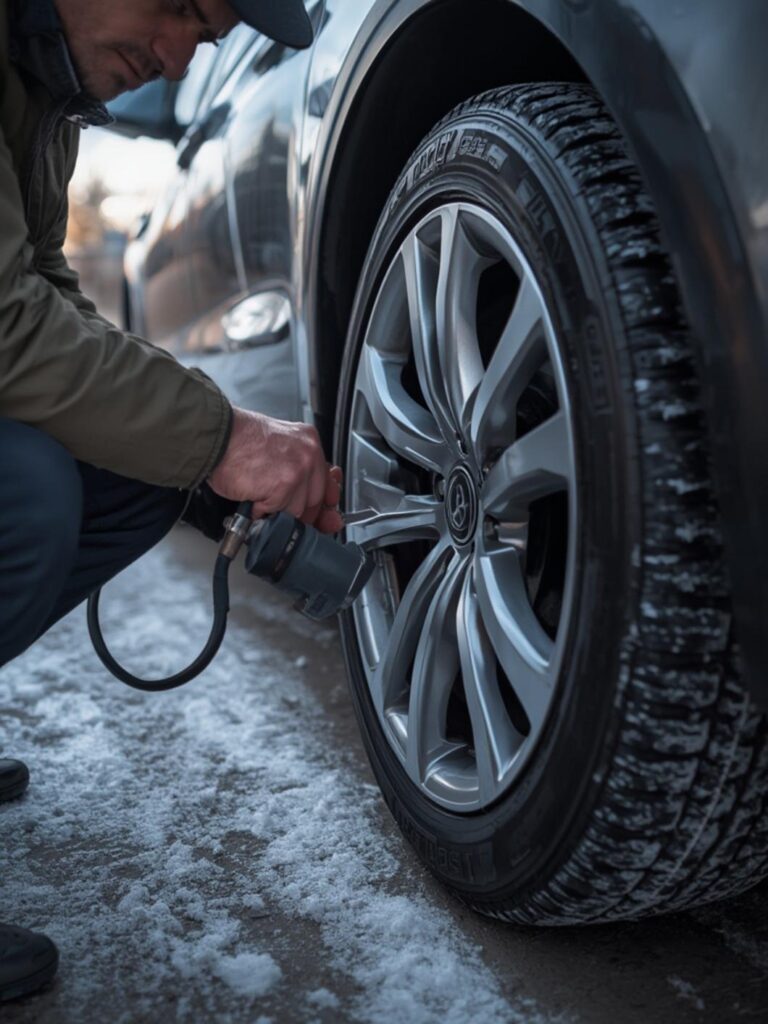
– Ignoring TPMS Warnings: Never dismiss tire pressure alerts, even if they appear frequently in winter
– Overinflating: Don’t excessively inflate tires beyond recommendations to compensate for cold
– Checking When Hot: Measuring pressure after driving gives inaccurate readings
– Inconsistent Checking: Failing to regularly monitor pressure throughout winter
– Incorrect Pressure Source: Using the PSI on tire sidewall instead of vehicle specifications
– Neglecting Spare Tire: Forgetting to check and maintain spare tire pressure
Storage / Maintenance Tips
– Store pressure gauges and compressors in a warm place for accuracy
– Keep valve stem caps clean and secure to prevent moisture from freezing
– Apply silicone spray to valve stems in extreme conditions to prevent freezing
– Schedule regular TPMS battery checks with seasonal tire rotations
– Document pressure readings to identify leaky tires that may need repair
– Consider purchasing valve stem extensions for easier winter access
Conclusion
Managing low tire pressure in cold weather is a crucial aspect of winter vehicle maintenance that directly impacts your safety and vehicle performance. By understanding the relationship between temperature and tire pressure, and implementing regular TPMS maintenance, you can drive confidently through the coldest months. Take the time to check your tire pressure regularly, especially after significant temperature drops, and you’ll enjoy better fuel economy, increased tire lifespan, and improved handling in challenging winter conditions. What tire pressure maintenance practices have you incorporated into your winter routine?
FAQs
Q: How much does tire pressure typically drop in winter?
A: Tire pressure decreases approximately 1-2 PSI for every 10°F drop in temperature. A cold snap can easily lower your tire pressure by 4-6 PSI overnight.
Q: Can I just ignore the TPMS light if it comes on during cold weather?
A: No. While cold weather often triggers TPMS warnings, you should always check your tire pressure to confirm. The warning might indicate a genuine leak coinciding with temperature changes.
Q: Should I inflate my tires to a higher pressure in winter?
A: It’s acceptable to add 1-2 PSI above manufacturer recommendations during winter, but never exceed the maximum pressure listed on the tire sidewall.
Q: Why does my TPMS light come on in the morning but turn off later in the day?
A: As you drive, friction warms your tires, increasing pressure and often bringing it back within acceptable range, turning off the TPMS light.
Q: How often should TPMS sensors be replaced?
A: TPMS sensors typically last 5-10 years, with battery life being the limiting factor. Consider replacement during tire changes if sensors are older than 5 years.