
Top rated 5 tire number meaning essentials
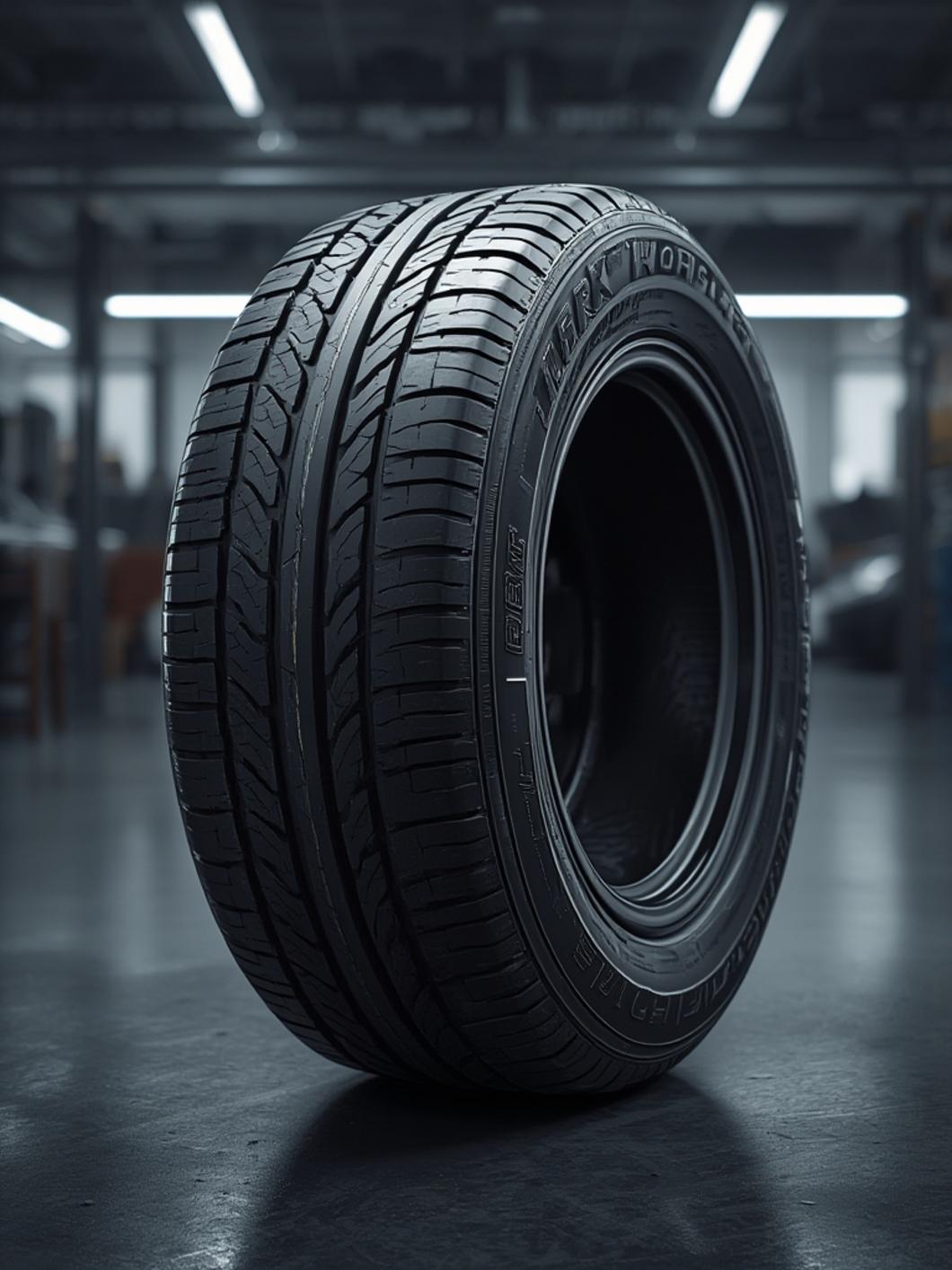
Have you ever looked at the side of your tire and wondered what all those numbers and letters actually mean? Decoding your tire number meaning isn’t just for mechanics or car enthusiasts—it’s essential knowledge for every vehicle owner.
Table of Contents
Understanding your tire size code can help you make informed decisions about replacements, ensure proper vehicle performance, and even improve your safety on the road. This guide breaks down everything you need to know about reading tire sidewalls and maintaining your tires for optimal performance and longevity.
Materials & Supplies
To properly maintain your tires and check their specifications, you’ll need:
1. Tire pressure gauge – For checking inflation levels
2. Air compressor or pump – To adjust tire pressure
3. Tread depth gauge – To measure remaining tread
4. Flashlight – For better visibility of tire sidewalls
5. Notebook or smartphone – To record tire information
6. Clean cloth – To wipe dirt from tire sidewalls
7. Magnifying glass (optional) – For reading smaller text
8. Tire brush – For cleaning between treads
9. Jack and jack stands – If you need to remove wheels
10. Torque wrench – For proper wheel installation
Timing / Inspection Schedule
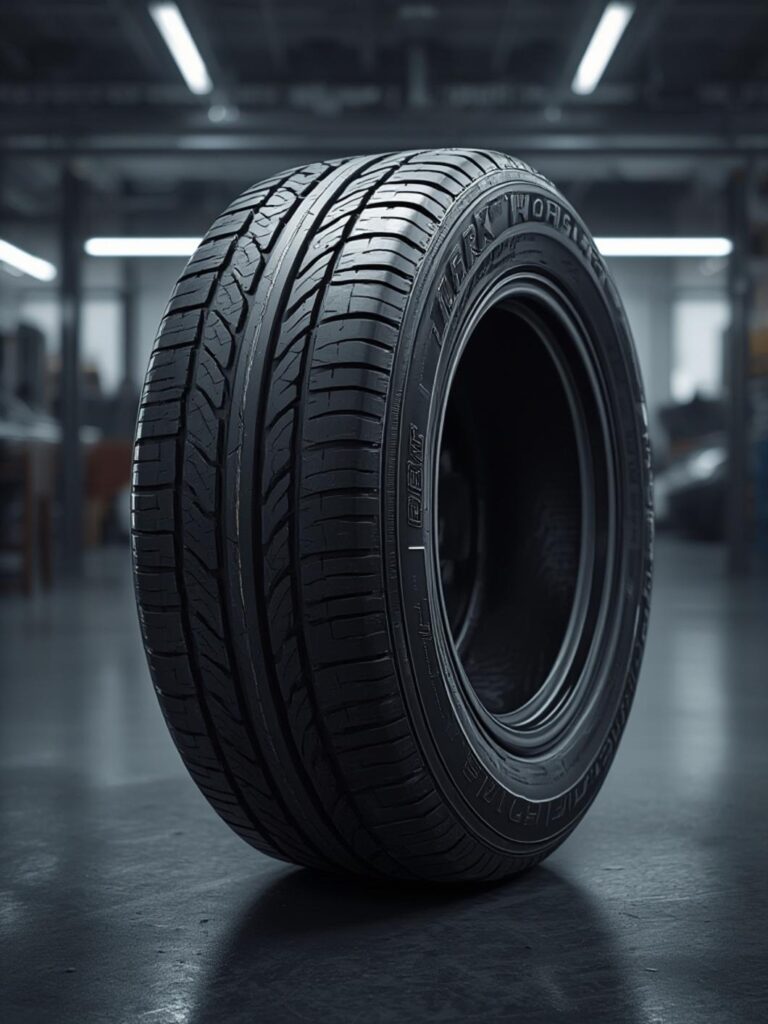
Regular inspection of your tires should become part of your vehicle maintenance routine:
- Monthly tire pressure checks (including spare)
- Tread depth measurement every 3 months
- Complete tire inspection during seasonal changes (spring/fall)
- Rotation every 5,000-7,500 miles
- Full inspection after hitting potholes or curbs
- Age check annually (replace tires older than 6-10 years regardless of tread)
Setting calendar reminders for these inspections ensures you won’t forget and helps catch potential issues before they become dangerous or expensive problems.
Step-by-Step Instructions
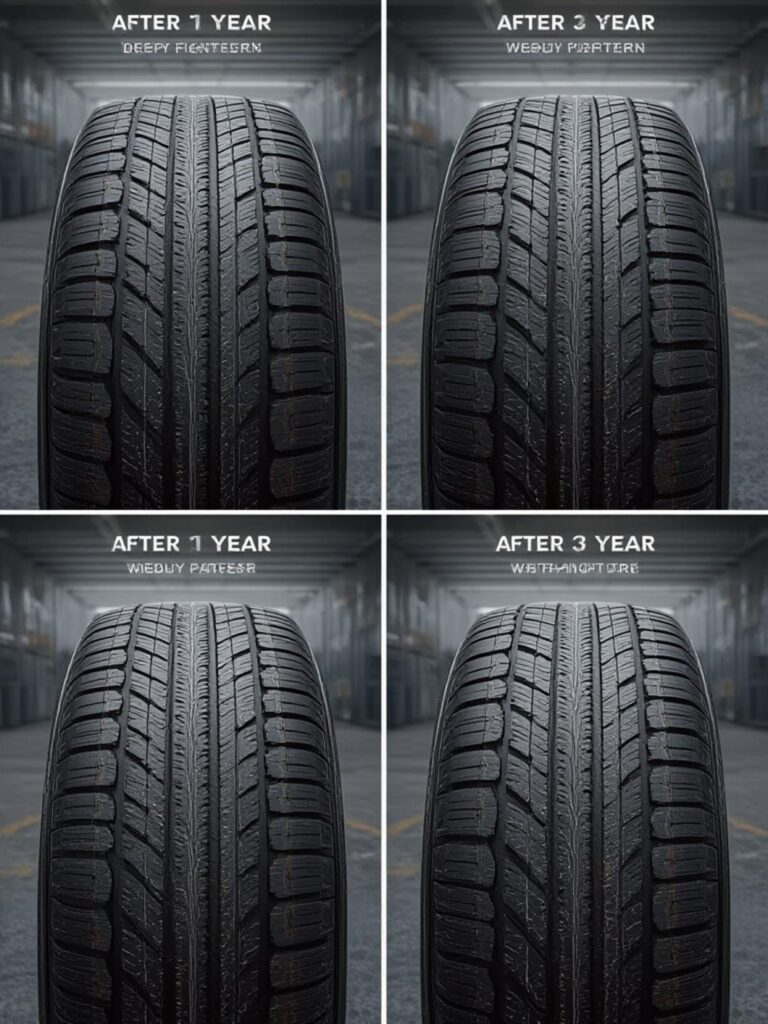
1. Locate the tire information panel – Find the long string of numbers and letters on your tire’s sidewall. It typically begins with a letter (like “P”) followed by a series of numbers.
2. Identify the tire type prefix – The first letter indicates the tire type:
* P: Passenger vehicle
* LT: Light Truck
* ST: Special Trailer
* T: Temporary (spare)
3. Decode the width – The first three digits after the prefix represent the tire’s width in millimeters from sidewall to sidewall.
4. Understand the aspect ratio – The next two-digit number after the slash is the aspect ratio—the height of the tire’s cross-section as a percentage of its width.
5. Identify the construction type – The letter after the aspect ratio indicates construction:
* R: Radial
* B: Bias-ply
* D: Diagonal
6. Read the wheel diameter – The two-digit number after the construction type indicates the wheel diameter in inches.
7. Check the load index and speed rating – These final numbers and letters tell you the maximum load capacity and speed rating.
Understanding your tire number meaning and tire size code helps ensure you purchase the correct replacement tires when needed.
Benefits / Advantages
Knowing how to read tire information provides several benefits:
- Ensures you purchase correctly sized replacements
- Helps maintain optimal vehicle handling and performance
- Improves fuel economy with properly matched tires
- Prevents premature wear from mismatched tires
- Allows for informed discussions with mechanics
- Enables budget planning for replacements
- Ensures compliance with vehicle manufacturer specifications
- Maintains proper load-carrying capacity
Tips, Alternative Methods, or Driving Advice
- Use a tire dealer’s online lookup tool to confirm your tire specifications
- Consider upgrading to all-season or specialized tires based on your climate
- Take photos of your tire sidewall information for future reference
- Install a tire pressure monitoring system for real-time information
- Consider slightly wider tires for improved handling (if compatible with your vehicle)
- Narrow tires may provide better performance in snow and rain
- Always match tire specifications to your vehicle’s requirements in your owner’s manual
Common Mistakes to Avoid
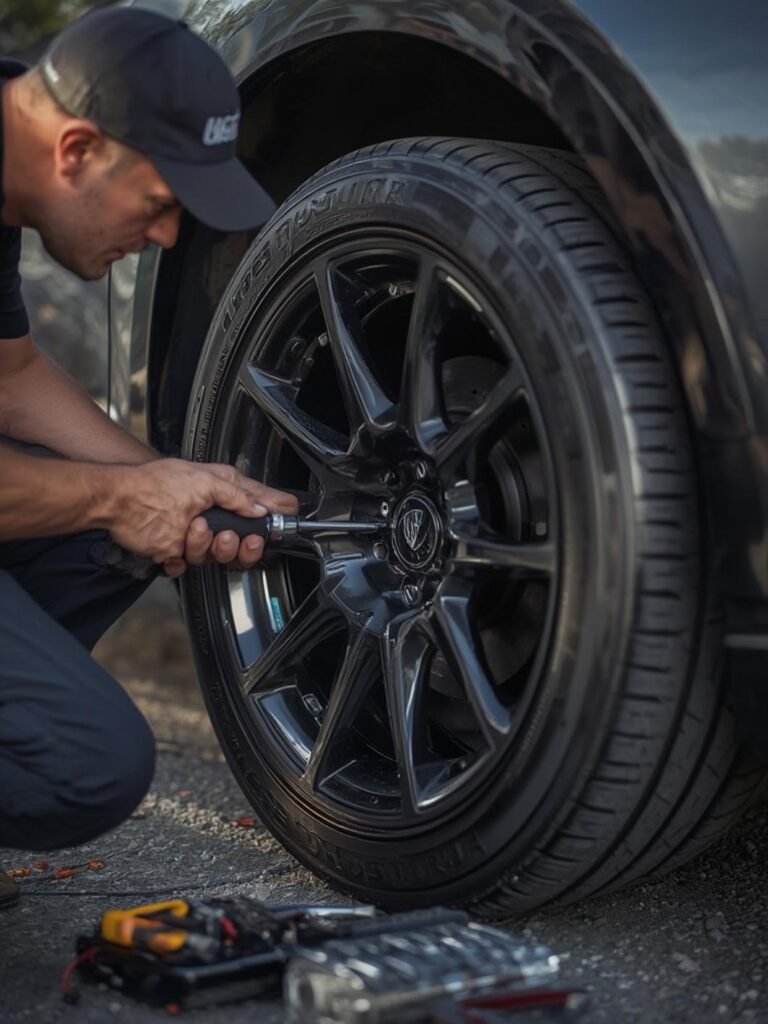
- Misreading the tire size code and purchasing incompatible tires
- Ignoring the load rating when replacing tires
- Mixing tire types or sizes on the same vehicle
- Assuming all tires with the same size code have identical performance
- Focusing only on the price rather than the appropriate specifications
- Overlooking the manufacturing date when buying “new” tires
- Installing tires with a lower speed rating than recommended
Storage / Maintenance Tips
- Store unmounted tires standing upright, not stacked
- Keep mounted tires stacked horizontally or hung from tire racks
- Store in a cool, dry place away from direct sunlight and chemicals
- Cover tires to protect from UV exposure and ozone damage
- Maintain proper inflation even during storage
- Clean tires with mild soap and water before long-term storage
- Avoid storing directly on concrete floors (use wooden pallets)
- Rotate positions of stored tires periodically to prevent flat spots
Conclusion
Mastering the tire number meaning and understanding your vehicle’s tire size code is a valuable skill that enhances your driving safety and vehicle maintenance knowledge. By regularly inspecting your tires and understanding what those numbers represent, you’ll make better decisions about replacements, maintain optimal performance, and potentially save money in the long run. Take the time to examine your tires this week and put your new knowledge to practical use—your vehicle (and your wallet) will thank you.
FAQs
How often should I check my tire pressure?
Check your tire pressure at least once a month and before long trips. Temperature changes can affect pressure significantly, so seasonal checks are particularly important.
Can I use tires with a different size code than what my vehicle specifies?
It’s generally not recommended. Using differently sized tires can affect speedometer accuracy, handling, and safety. Always consult with a professional if you’re considering a size change.
What does the date code on my tire mean?
The date code consists of four digits at the end of the DOT code. The first two represent the week of manufacture, and the last two indicate the year. For example, “2619” means the tire was manufactured in the 26th week of 2019.
How long do tires typically last?
Most tires last 6-10 years from the date of manufacture, depending on driving conditions, maintenance, and storage. Even if tread remains, tires should be replaced after 10 years due to rubber degradation.
Is it safe to buy used tires?
Used tires come with significant risks. Without knowing the tire’s full history, you can’t be sure of its internal condition or how it was maintained. If budget is a concern, consider new budget tires rather than used premium ones.