
Top rated fix for your tire pressure sensor blinking
Ever noticed that small, often yellow light suddenly illuminating on your dashboard? When the tire pressure warning light comes on or you see the tire pressure sensor blinking, it’s easy to feel concerned about your vehicle’s safety.
Table of Contents
This common occurrence signals potential issues with your tire pressure monitoring system (TPMS) that shouldn’t be ignored. Understanding how to address and resolve these warnings at home can save you unnecessary trips to the mechanic while ensuring your vehicle remains safe on the road.
Materials & Supplies
To properly address tire pressure issues, you’ll need:
1. Digital Tire Pressure Gauge – For accurate pressure readings (more reliable than analog versions)
2. Portable Air Compressor – To inflate tires to the recommended PSI
3. Owner’s Manual – Contains vehicle-specific tire pressure recommendations
4. TPMS Reset Tool (optional) – For resetting the system after adjustments
5. Valve Stem Caps – To replace any missing caps and protect valve stems
6. Soap and Water Solution – For checking slow leaks
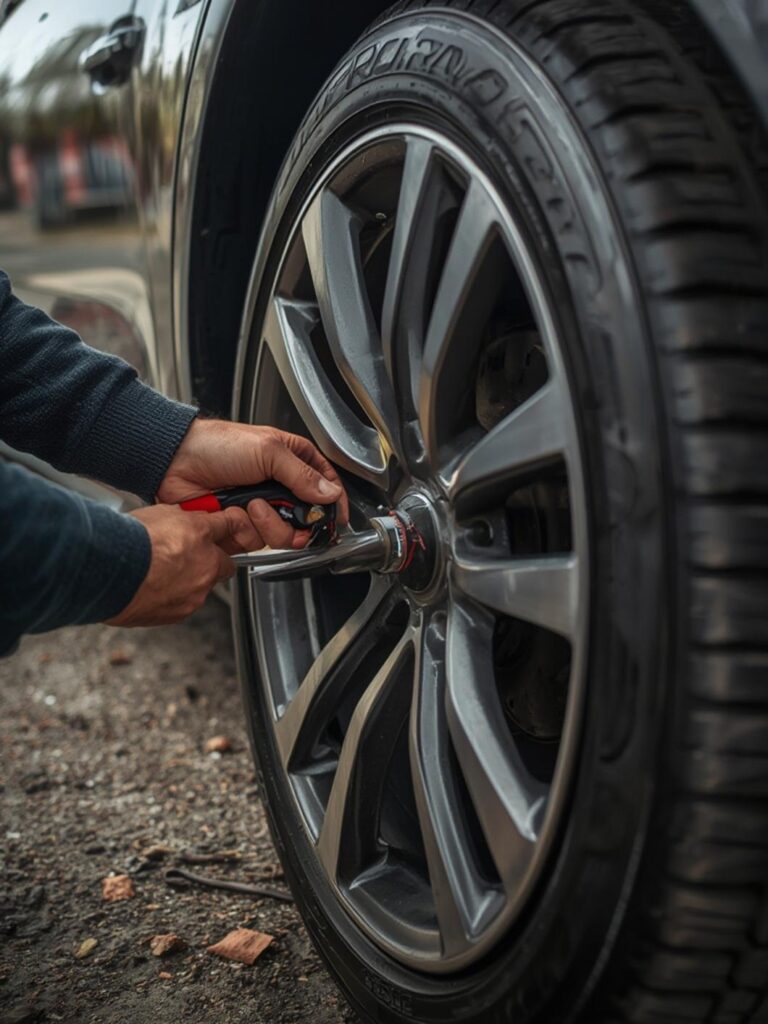
7. Torque Wrench – If removing wheels to inspect sensors
8. Safety Gloves – To protect hands during maintenance
Timing / Inspection Schedule

You should check your tire pressure at least once a month and before any long trips. Additionally, tire pressure should be inspected:
- When temperatures drop significantly (pressure decreases approximately 1 PSI for every 10°F drop)
- After hitting potholes or curbs
- If you notice uneven tire wear
- When the TPMS light activates
Seasonal changes significantly impact tire pressure, with most vehicles requiring attention during fall and winter months when temperatures drop. A complete TPMS sensor inspection should be performed annually, especially for vehicles over three years old, as sensor batteries typically last 5-7 years.
Step-by-Step Instructions
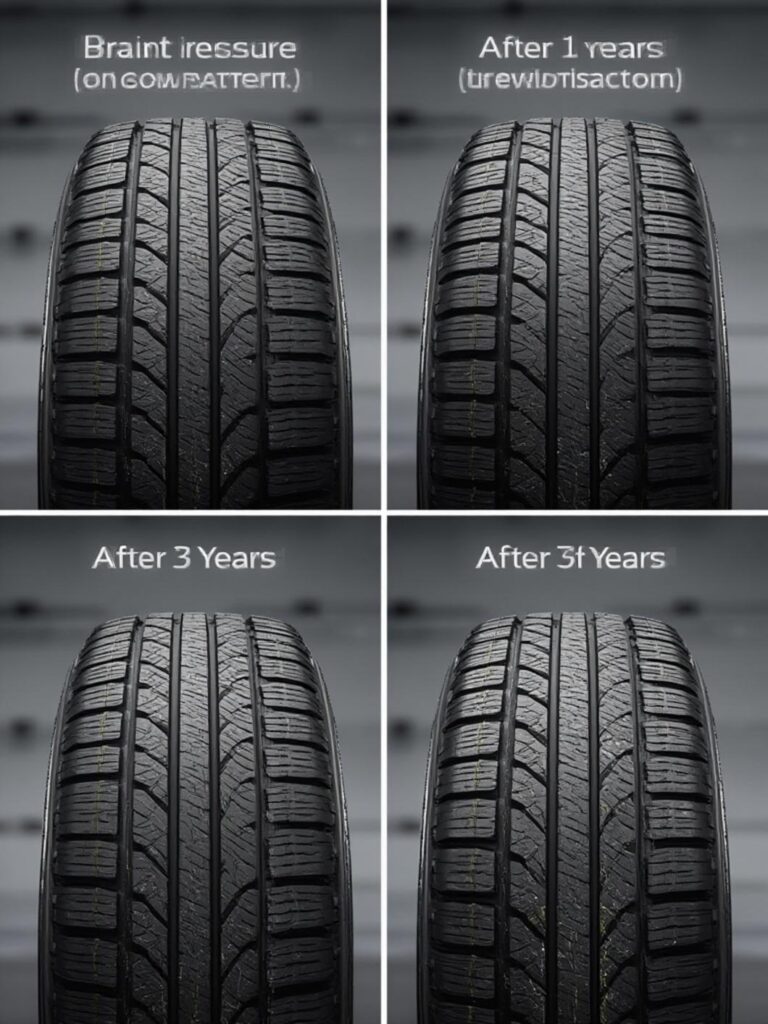
1. Verify the Warning
* Determine if the tire pressure sensor blinking is steady or intermittent (a blinking light often indicates a system malfunction rather than just low pressure)
* Check if the light appeared after starting your vehicle in cold weather
2. Check All Tire Pressures
* Ensure your tires are cold (vehicle hasn’t been driven for at least 3 hours)
* Remove valve stem caps carefully and store them safely
* Press the pressure gauge firmly against the valve stem until the hissing stops
* Compare readings with the manufacturer’s recommendations (usually found on the driver’s door jamb sticker)
3. Adjust Pressures as Needed
* Add air until reaching the recommended PSI
* For overinflated tires, press the center pin of the valve stem briefly to release air
* Don’t forget to check your spare tire too!
4. Reset the tire pressure warning light
* Most vehicles will automatically reset after driving 10-15 minutes at speeds above 25 mph
* Some vehicles require a manual reset using a button usually located under the steering wheel or in the glove compartment
* Consult your owner’s manual for vehicle-specific reset procedures
5. Troubleshoot Persistent Warnings
* If the light remains on after adjustment and reset, check for slow leaks using soapy water
* Consider having the TPMS sensors checked for battery failure or damage
Benefits / Advantages
Properly maintaining tire pressure offers numerous benefits:
- Improves fuel efficiency by up to 3%
- Extends tire life by preventing uneven wear
- Enhances vehicle handling and braking performance
- Reduces the risk of blowouts and accidents
- Saves money on premature tire replacement and fuel costs
- Provides early warning of slow leaks before they become dangerous
Tips, Alternative Methods, or Driving Advice
- Use nitrogen inflation for more stable tire pressure (less affected by temperature changes)
- Consider investing in a wireless Bluetooth TPMS for real-time monitoring on your smartphone
- For seasonal changes, adjust tire pressure when temperatures stabilize rather than daily
- When traveling between significantly different elevations, recheck pressures
- If your vehicle has aftermarket wheels, ensure the TPMS sensors were properly transferred or replaced
Common Mistakes to Avoid
- Ignoring the warning light – Never continue driving for extended periods with the TPMS light on
- Checking pressure when tires are hot – This gives artificially high readings
- Inflating to the maximum pressure listed on the tire sidewall – Always use the vehicle manufacturer’s recommended pressure
- Forgetting the spare tire – Include it in your regular pressure checks
- Using gas station air gauges exclusively – These are often inaccurate; use your personal gauge instead
Storage / Maintenance Tips
- Store spare TPMS sensors in a cool, dry place to preserve battery life
- Keep valve stem caps tight to prevent air leaks and dirt contamination
- Apply anti-seize compound to TPMS sensor stems during tire rotations to prevent corrosion
- Have TPMS sensors professionally serviced when replacing tires
- Consider replacing all sensors simultaneously when one fails (if vehicle is over 5 years old)
Conclusion
Understanding how to respond when your tire pressure sensor blinking occurs is an essential aspect of vehicle safety and maintenance. By following these steps and regularly checking your tire pressures, you can extend the life of your tires, improve fuel economy, and ensure optimal vehicle performance. Don’t ignore the tire pressure warning light – it’s there to help keep you safe on the road. Take a few minutes each month to inspect and maintain proper tire pressure, and you’ll enjoy safer, more economical driving for years to come.
FAQs
Why does my tire pressure light come on in cold weather?
Tire pressure decreases approximately 1 PSI for every 10°F drop in temperature. When morning temperatures fall dramatically, your TPMS may detect this natural pressure drop and trigger the warning light. Check and adjust pressures during cold weather.
Can I drive with the tire pressure warning light on?
While you can drive short distances to add air, it’s unsafe to drive extensively with the warning light illuminated. Underinflated tires can overheat, wear prematurely, and are more prone to blowouts.
How accurate are the pressure readings on my dashboard display?
Most factory TPMS systems are accurate within 1-2 PSI. However, for precise readings, especially when adjusting pressures, always use a quality digital tire gauge.
Do I need to replace TPMS sensors when buying new tires?
Not necessarily, but it’s a good opportunity to check sensor battery life and condition. Most TPMS sensors last 5-7 years before the batteries fail. If your vehicle is approaching this age, consider replacement during tire changes.
Why does my tire pressure light come back on after I’ve filled my tires?
This could indicate a slow leak, a faulty sensor, or that the system needs to be reset. Try driving for 10-15 minutes above 25 mph to allow the system to recalibrate, or consult your owner’s manual for reset procedures.