
Top rated: how many miles are tires good for 70,000?
Have you ever wondered how long those rubber rings supporting your vehicle should last? Understanding how many miles are tires good for is crucial for every driver concerned about safety and value. The typical tire tread life varies significantly based on several factors,
Table of Contents
including driving habits, maintenance practices, and tire quality. Proper tire maintenance isn’t just about extending longevity_it’s about ensuring your safety on the road while maximizing your investment. Let’s explore everything you need to know about tire lifespan and how to make your tires last longer while maintaining optimal performance.
Materials & Supplies
To properly maintain your tires at home, you’ll need:
1. Tire Pressure Gauge – Essential for accurate pressure readings (digital versions offer greater precision)
2. Portable Air Compressor – For convenient inflation whenever needed
3. Tread Depth Gauge – To monitor tread wear with precision (a penny can work in a pinch)
4. Jack and Jack Stands – For safely elevating your vehicle during inspections
5. Torque Wrench – Ensures lug nuts are tightened to manufacturer specifications
6. Tire Cleaning Solution – Specifically formulated for rubber care
7. Microfiber Cloths – For cleaning without scratching or damaging tire surfaces
8. Tire Shine Product (optional) – For aesthetic purposes and minor protection
9. Valve Stem Caps – Inexpensive but important for preventing air leakage
10. Safety Gloves – Protects hands during maintenance work
Timing / Inspection Schedule
Establishing a regular inspection routine is critical for maximizing tire life:
- Monthly Pressure Checks – Air pressure can drop approximately 1 PSI per month naturally
- Quarterly Tread Depth Measurements – Track wear patterns to identify alignment issues early
- Bi-Annual Professional Inspection – Have a technician check for issues you might miss
- Seasonal Transition Inspections – Particularly important before winter and summer
- 5,000-7,500 Mile Rotation – Aligns with most oil change intervals for convenience
- Visual Inspection After Impacts – Check for damage after hitting potholes or curbs
Most passenger vehicle tires should be inspected more frequently after reaching 4 years of age or 40,000 miles, whichever comes first.
Step-by-Step Instructions
1. Check Tire Pressure
* Measure when tires are cold for accurate readings
* Compare against the manufacturer’s specifications (found on the driver’s door jamb)
* Remember that how many miles are tires good for depends greatly on maintaining proper inflation
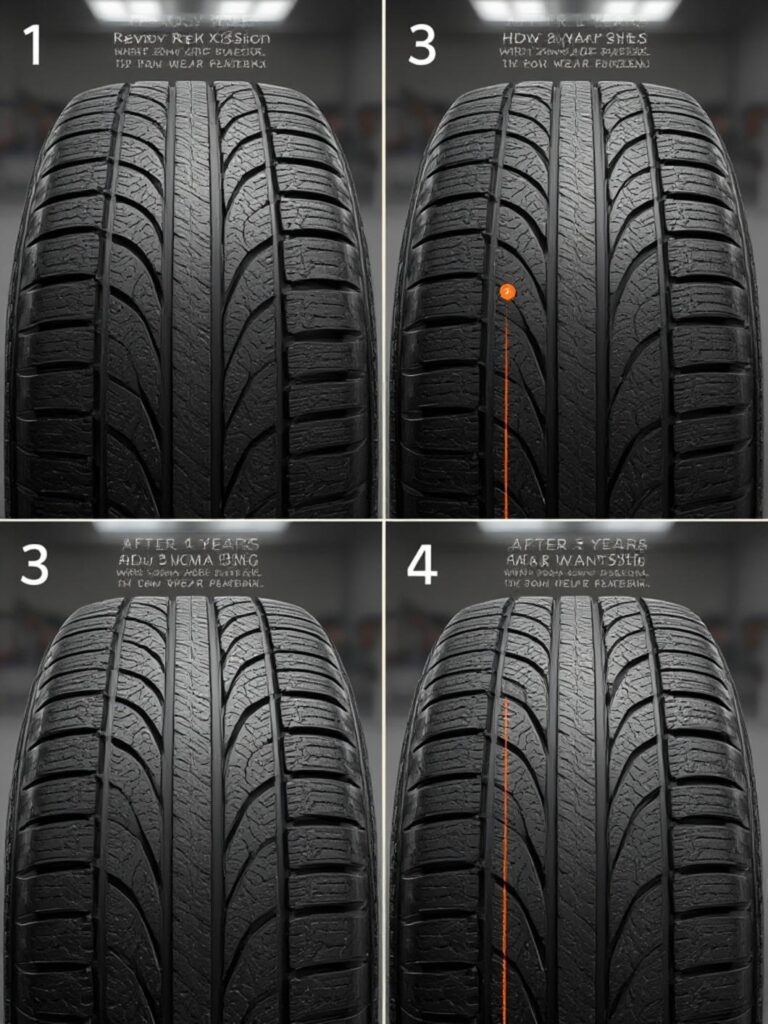
2. Measure Tread Depth
* Insert tread depth gauge at multiple points across each tire
* Pay special attention to uneven wear patterns
* The tire tread life indicator bars become visible when replacement is needed
3. Rotate Tires Regularly
* Follow the rotation pattern recommended in your owner’s manual
* Mark tires with chalk to ensure proper placement
* Tighten lug nuts to specified torque settings
4. Balance and Align
* Have tires professionally balanced at the first sign of vibration
* Schedule alignment if you notice pulling to one side or uneven wear
5. Clean and Protect
* Remove debris from tread grooves monthly
* Clean sidewalls with appropriate tire cleaner
* Apply protectant to prevent UV damage and cracking
Benefits / Advantages
Proper tire maintenance delivers multiple rewards:
- Enhanced Safety – Reduces risk of blowouts and improves traction
- Extended Lifespan – Can increase usable miles by 10-15%
- Improved Fuel Economy – Properly inflated tires reduce rolling resistance
- Better Handling – Consistent tread wear ensures predictable performance
- Cost Savings – Delays replacement purchases and reduces fuel consumption
- Environmental Benefits – Fewer discarded tires and reduced fuel consumption
Tips, Alternative Methods, or Driving Advice
- Driving Habits: Avoid harsh acceleration and braking to minimize wear
- Load Management: Never exceed your vehicle’s weight capacity
- Terrain Considerations: Choose appropriate tires for your typical driving conditions
- Temperature Impact: Monitor pressure more frequently during extreme temperature changes
- Storage Solutions: Store seasonal tires flat or hanging, never stacked
- Eco Driving: Smooth acceleration conserves both fuel and tire tread
Common Mistakes to Avoid
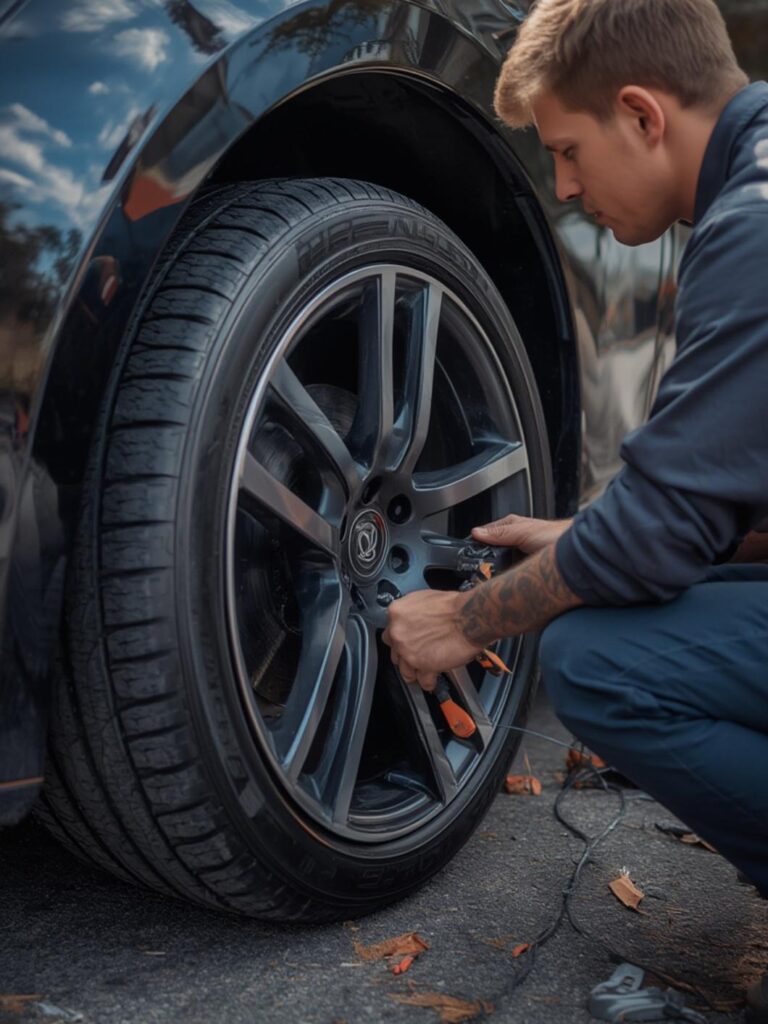
- Ignoring Warning Signs – Address vibrations or unusual wear immediately
- Mismatched Tires – Always replace tires in pairs at minimum
- Neglecting Valve Stems – These inexpensive parts can cause slow leaks
- Over/Under Inflation – Both extremes accelerate wear and compromise safety
- Skipping Rotation – Leads to premature replacement needs
- Using Incorrect Pressure – Follow vehicle specifications, not the tire’s maximum PSI
Storage / Maintenance Tips
- Clean Before Storage – Remove road grime and brake dust
- Climate-Controlled Environment – Store in cool, dry locations away from sunlight
- Pressure Maintenance – Keep tires inflated even during storage
- Position Options – Hang from hooks or lay flat, never stand for extended periods
- Protective Covers – Use tire bags for long-term storage
- Surface Considerations – Avoid storing on oil-soaked surfaces or concrete
Understanding how many miles are tires good for helps you make informed decisions about replacement timing and maintenance practices. While most quality tires are designed to last between 40,000-75,000 miles, your driving habits and maintenance routine can significantly impact that range. Regular monitoring of tire tread life through consistent inspections will ensure you’re always riding on safe, efficient tires. Remember that a small investment of time in proper tire care translates to better performance, enhanced safety, and considerable cost savings over time. What tire maintenance step will you implement this week?
FAQs
How can I tell if my tires need replacement beyond checking tread depth?
Look for sidewall cracks, bulges, or blisters, which indicate structural damage. Also, check the manufacture date—tires older than 6 years should be professionally inspected regardless of tread depth.
Should I replace all four tires at once?
Ideally, yes. At minimum, replace tires in pairs (front or rear) to maintain balanced handling. Mixing significantly different tread depths can affect vehicle stability, particularly in adverse conditions.
What affects tire lifespan more: time or mileage?
Both matter. Rubber compounds deteriorate over time regardless of use. High-quality tires might have excellent tread remaining but become unsafe due to age-related hardening and cracking.
Is it worth buying premium tires for longevity?
Premium tires often deliver better value despite higher upfront costs. They typically offer superior longevity, performance, and fuel efficiency, making the total cost of ownership lower in the long run.
How does climate affect tire lifespan?
Extreme temperatures accelerate aging. Hot climates cause rubber to break down faster, while winter conditions and road salt can damage both tread and sidewalls. Using season-appropriate tires helps mitigate these effects.