
Top rated how to change a flat tire in 7 stepshow to change a flat tire
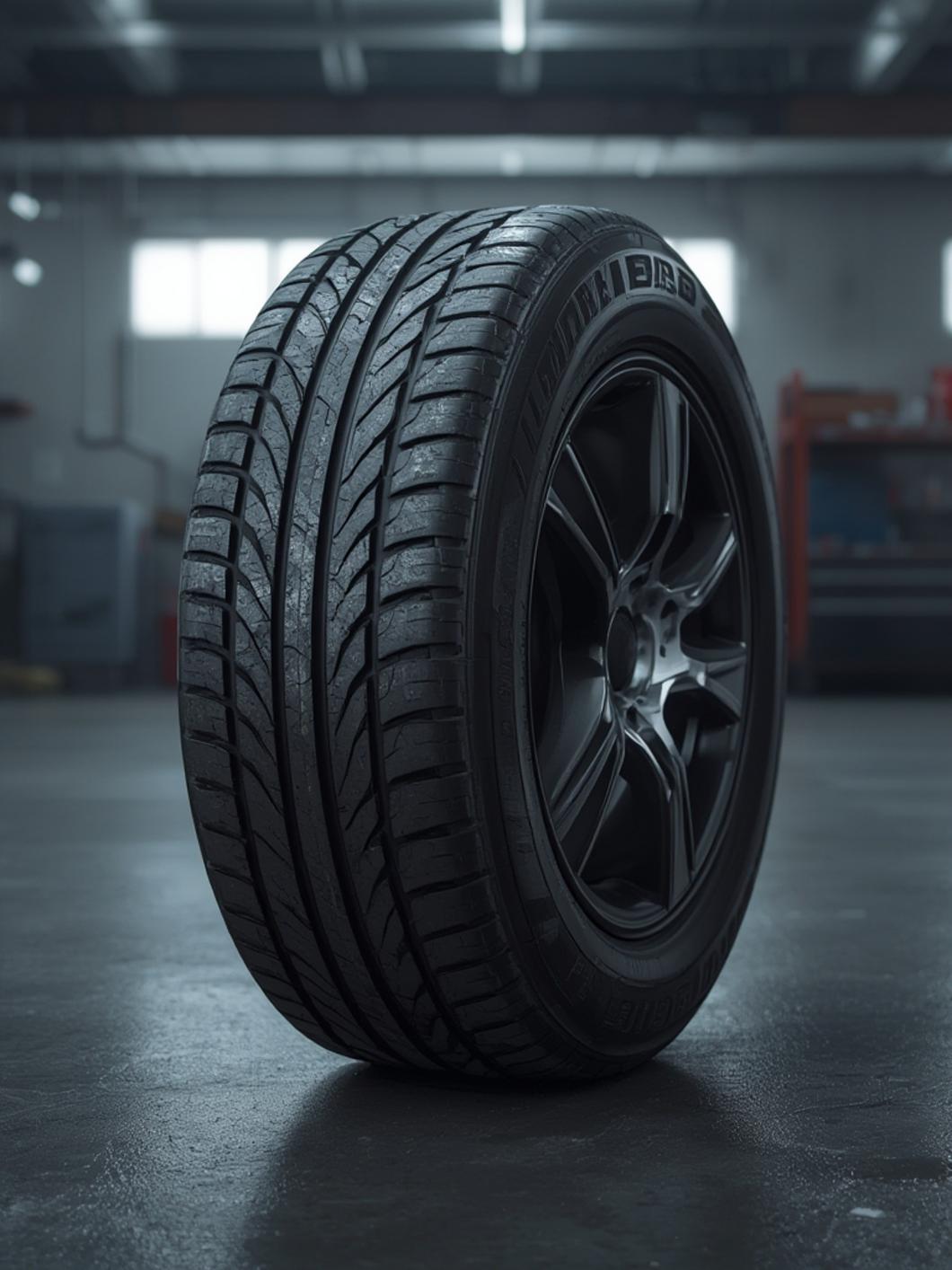
Have you ever found yourself stranded on the side of the road with a deflated tire and no idea what to do next? Learning how to change a flat tire is an essential skill that every driver should master.
Table of Contents
With the right knowledge and proper tire changing tools, you can quickly get back on the road without waiting for roadside assistance. This comprehensive guide will walk you through each step of the tire-changing process, ensuring you’re prepared for this common roadside emergency.
Materials & Supplies
To successfully change a flat tire, you’ll need these essential items:
1. Spare tire (check that it’s properly inflated)
2. Lug wrench
3. Car jack
4. Owner’s manual
5. Tire changing tools kit
6. Wheel chocks
7. Flashlight (for nighttime emergencies)
8. Gloves
9. Reflective triangles or flares
10. Tire pressure gauge
11. Rain poncho (optional)
12. Tire blocks or wooden planks (optional, for soft surfaces)
A complete emergency kit with these supplies should be kept in your vehicle at all times. Many modern vehicles come with basic tools, but investing in higher-quality equipment can make the process easier and safer.
Timing / Inspection Schedule
Changing a flat tire typically takes 15-30 minutes for someone with basic experience. The process may take longer for first-timers or in challenging conditions like darkness, rain, or extreme temperatures.
Regular tire inspections are crucial for preventing roadside emergencies:
– Check tire pressure monthly and before long trips
– Inspect tread depth every 3 months
– Look for visible damage or foreign objects weekly
– Have tires professionally rotated every 5,000-7,500 miles
Being proactive with maintenance reduces the likelihood of experiencing a flat tire in the first place, but preparation remains essential for every driver.
Step-by-Step Instructions
1. Find a Safe Location: Pull completely off the road on level ground, away from traffic. Turn on hazard lights and set parking brake.
2. Prepare Your Vehicle: Place wheel chocks on the opposite side of the flat tire to prevent rolling. Remove hubcap if present.
3. Loosen Lug Nuts: Use your lug wrench to turn lug nuts counterclockwise, breaking their resistance without fully removing them. Pro tip: Standing on the wrench can provide extra leverage for stubborn nuts.
4. Position the Jack: Consult your owner’s manual for the proper jack placement point. Incorrect positioning can damage your vehicle’s frame.
5. Raise the Vehicle: Lift until the flat tire is about six inches off the ground. Never put any part of your body underneath the vehicle!
6. Remove Lug Nuts: Completely unscrew the loosened lug nuts by hand, storing them in a secure location like your pocket or hubcap.
7. Remove the Flat Tire: Pull the tire straight toward you to remove it from the wheel studs. Set it aside flat on the ground.
8. Mount the Spare Tire: Align the spare with the wheel studs and push it into place. Learning how to change a flat tire properly means understanding that the spare must be aligned correctly with the mounting holes.
9. Replace Lug Nuts: Hand-tighten the lug nuts in a star or cross pattern, not in circle order.
10. Lower the Vehicle: Carefully lower the jack until the tire touches the ground but still bears some weight on the jack.
11. Tighten Lug Nuts: Use your tire changing tools to fully tighten the lug nuts in the same star pattern.
12. Fully Lower the Vehicle: Completely lower and remove the jack.
Benefits / Advantages
Knowing how to change your own tire offers numerous benefits:
– Independence from expensive roadside assistance
– Reduced waiting time during emergencies
– Enhanced confidence in handling vehicle issues
– Significant cost savings over time
– Increased safety awareness and preparation
– Ability to help others in similar situations
Tips, Alternative Methods, or Driving Advice
– Practice changing a tire in your driveway before facing an actual emergency
– Consider keeping a portable air compressor and tire sealant for temporary fixes
– Drive slowly (under 50 mph) on a compact spare tire
– Replace temporary spares with a full-size tire as soon as possible
– For newer vehicles without spares, familiarize yourself with the tire inflation kit
– In extremely unsafe locations, driving slowly on a flat to a safer area may be preferable to changing it in danger
Common Mistakes to Avoid

– Not fully tightening lug nuts (leads to wheel detachment)
– Improper jack placement (causes vehicle damage)
– Forgetting to set the parking brake (results in vehicle movement)
– Working too close to traffic (creates safety hazards)
– Over-tightening lug nuts (damages wheel studs)
– Not checking spare tire pressure regularly (leads to unusable spares)
Storage / Maintenance Tips
– Check your spare tire’s pressure monthly
– Inspect your jack and lug wrench annually for rust or damage
– Store tire-changing supplies together in an accessible location
– Ensure your spare tire is properly secured in its designated area
– After using the spare, have your original tire repaired or replaced promptly
– Consider upgrading to a full-size spare if you frequently drive in remote areas
Conclusion
Mastering how to change a flat tire is an invaluable skill for any driver. With practice and the right tire changing tools, this potentially stressful situation becomes a manageable inconvenience rather than a roadside crisis. By following these steps and maintaining your equipment, you’ll be prepared to handle this common car emergency confidently and safely. Remember that preparation is key—take time now to check your spare and tools so you’re ready when that unexpected flat occurs.
FAQs
How long can I drive on a spare tire?
Temporary spares (donut tires) should be used for no more than 50-70 miles at speeds below 50 mph. Full-size spares can be driven normally but should be replaced in the regular rotation schedule.
Do I need to retighten my lug nuts after changing a tire?
Yes, it’s recommended to check and retighten lug nuts after driving about 25-50 miles as they may loosen with initial driving.
Can I change a flat tire in the rain?
Yes, but exercise extra caution as wet conditions create slippery surfaces. If possible, find covered space or wait for the rain to subside.
What if my lug nuts are too tight to remove?
Try applying WD-40 to loosen rust, use a lug nut breaker bar for extra leverage, or position the wrench horizontally and carefully step on it for additional force.
How do I know if my spare tire is still good?
Check for proper inflation (usually 60 psi for temporary spares), examine for cracks or damage, and verify the tire’s age—most spares should be replaced every 6-10 years regardless of use.