
Top rated tire rotation pattern for 4 tiresTire rotation pattern

Have you ever wondered why your car’s tires wear unevenly or why some seem to deteriorate faster than others? Implementing a proper tire rotation pattern as part of regular vehicle maintenance can significantly extend the life of your tires while improving overall safety and performance.
Table of Contents
Many drivers overlook this simple yet critical procedure that can save hundreds of dollars in premature tire replacements and potentially prevent dangerous blowouts. Let’s explore how you can properly rotate your tires at home and establish a maintenance routine that keeps your vehicle running optimally.
Materials & Supplies
To properly rotate your tires at home, you’ll need the following tools and equipment:
- Jack and jack stands (rated for your vehicle’s weight)
- Lug wrench or impact wrench
- Torque wrench (to properly tighten lug nuts)
- Wheel chocks (to prevent vehicle movement)
- Work gloves (to protect your hands)
- Tire pressure gauge (to check inflation after rotation)
- Owner’s manual (to confirm the recommended rotation pattern)
- Notepad or app (to record maintenance history)
- Cleaning supplies (optional, for cleaning tires during rotation)
Having these supplies readily available will make the process more efficient and ensure you can complete the job safely without interruptions.
Timing / Inspection Schedule
Most automotive experts recommend rotating your tires every 5,000-7,500 miles or every six months, whichever comes first. However, this interval may vary depending on:
- Your driving habits (aggressive driving requires more frequent rotations)
- Vehicle type (front-wheel, rear-wheel, or all-wheel drive)
- Tire type (all-season, performance, or winter tires)
- Road conditions you typically encounter
If you notice uneven tire wear before reaching the recommended interval, it’s wise to rotate them sooner. Seasonal changes are excellent opportunities to inspect and rotate tires, especially when transitioning between winter and summer driving conditions.
Step-by-Step Instructions
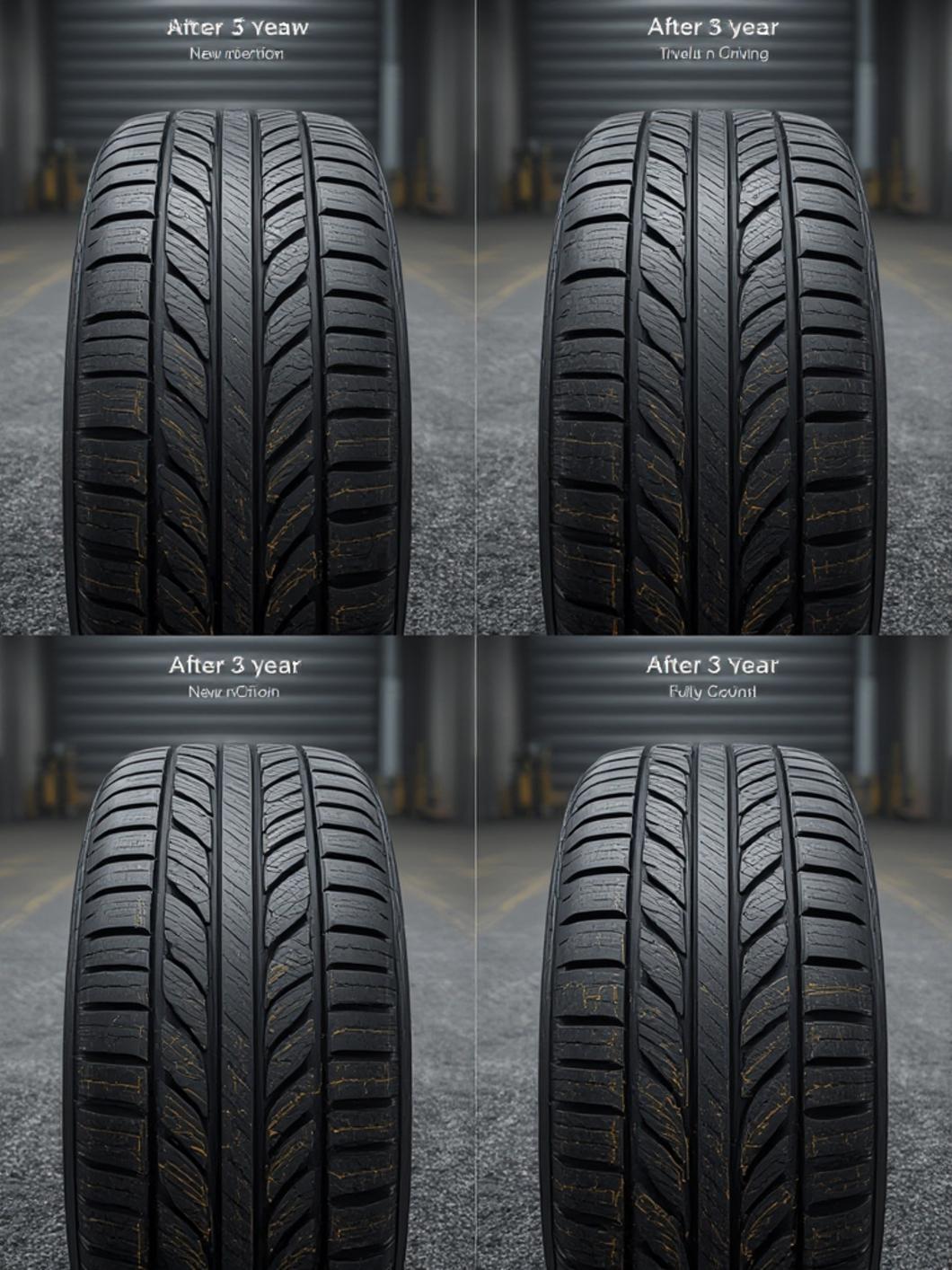
1. Preparation: Park on a flat, level surface and engage the parking brake. Loosen (but don’t remove) the lug nuts on all wheels while the car is still on the ground.
2. Jack and Secure: Carefully jack up one corner of the vehicle and secure it with jack stands. Never rely solely on a jack for support.
3. Remove Wheels: Remove the lug nuts and take off the wheel. Place wheels in a pattern that makes it easy to follow your chosen tire rotation pattern.
4. Inspection: While wheels are removed, examine brake components, suspension parts, and look for any leaks or issues that might require vehicle maintenance.
5. Rotation: Move the wheels according to your vehicle’s recommended pattern (typically forward cross for FWD, rearward cross for RWD, or X-pattern for AWD).
6. Installation: Install each wheel in its new position, hand-tightening lug nuts in a star pattern.
7. Torque Application: Lower the vehicle and use a torque wrench to tighten lug nuts to manufacturer specifications (typically 80-100 ft-lbs).
8. Pressure Check: Verify tire pressure in all tires and adjust as needed to match the manufacturer’s recommendations.
Benefits / Advantages
Properly rotating your tires offers numerous benefits:
- Extends tire life by up to 20% by promoting even wear
- Improves handling and traction in various road conditions
- Reduces road noise and provides a smoother ride
- Enhances fuel efficiency by minimizing rolling resistance
- Maintains balanced braking performance
- Allows early detection of alignment or suspension issues
- Upholds tire warranty requirements
Tips, Alternative Methods, or Driving Advice
- Mark tires with chalk to track their original positions if you’re new to rotation
- Consider direction-specific rotation patterns for specialized tires
- If you have a full-size spare, incorporate it into your rotation schedule
- For severe driving conditions, rotate tires every 3,000-5,000 miles
- Use this opportunity to balance tires if you notice vibration issues
- Consider seasonal tire swaps (winter/summer) as part of your rotation schedule
Common Mistakes to Avoid

- Rotating directional tires incorrectly (they must maintain their direction of rotation)
- Using the wrong rotation pattern for your vehicle’s drive type
- Forgetting to check tire pressure after rotation
- Over-tightening lug nuts (can warp rotors or break studs)
- Mixing different tire types or sizes during rotation
- Skipping rotation when uneven wear is already present
Storage / Maintenance Tips
When storing removed tires:
- Keep in a cool, dry place away from direct sunlight
- Store horizontally or vertically, depending on duration
- Clean tires before storage to remove road grime and chemicals
- Consider tire bags for long-term storage
For ongoing maintenance:
- Check tire pressure monthly and before long trips
- Inspect tread depth regularly using the penny test
- Address alignment issues promptly if you notice pulling or uneven wear
- Consider professional balancing every other rotation
Conclusion
Implementing the correct tire rotation pattern is a fundamental aspect of vehicle maintenance that pays dividends in safety, performance, and cost savings. By following this guide and making tire rotation a regular part of your maintenance schedule, you’ll extend the life of your tires, improve your vehicle’s handling, and enjoy greater peace of mind on the road. Remember that this simple procedure, performed consistently, is one of the most cost-effective ways to maximize your investment in quality tires.
FAQs
How do I know which tire rotation pattern is right for my vehicle?
Consult your owner’s manual for the manufacturer’s recommended pattern. Generally, front-wheel drive vehicles use a forward cross pattern, rear-wheel drive uses a rearward cross pattern, and all-wheel drive often uses an X-pattern.
Can I rotate tires of different sizes?
If your vehicle has different-sized tires on the front and rear (staggered setup), rotation should only be done side-to-side, not front-to-back. Some sports cars with staggered setups may not be suitable for rotation at all.
How much does professional tire rotation typically cost?
Professional tire rotations typically cost between $20-$50, though many shops offer free rotations if you purchased your tires from them or as part of routine oil change services.
Is it worth rotating tires that already show significant wear?
Yes, even tires with wear can benefit from rotation to extend their remaining life and maintain vehicle handling. However, if wear is extreme or uneven, consult a professional about potential alignment issues.
Should I balance my tires during rotation?
While not strictly necessary with every rotation, balancing tires every other rotation (or when you notice vibration) helps ensure even wear and optimal performance.