
Top rated tires for golf carts – 5 options
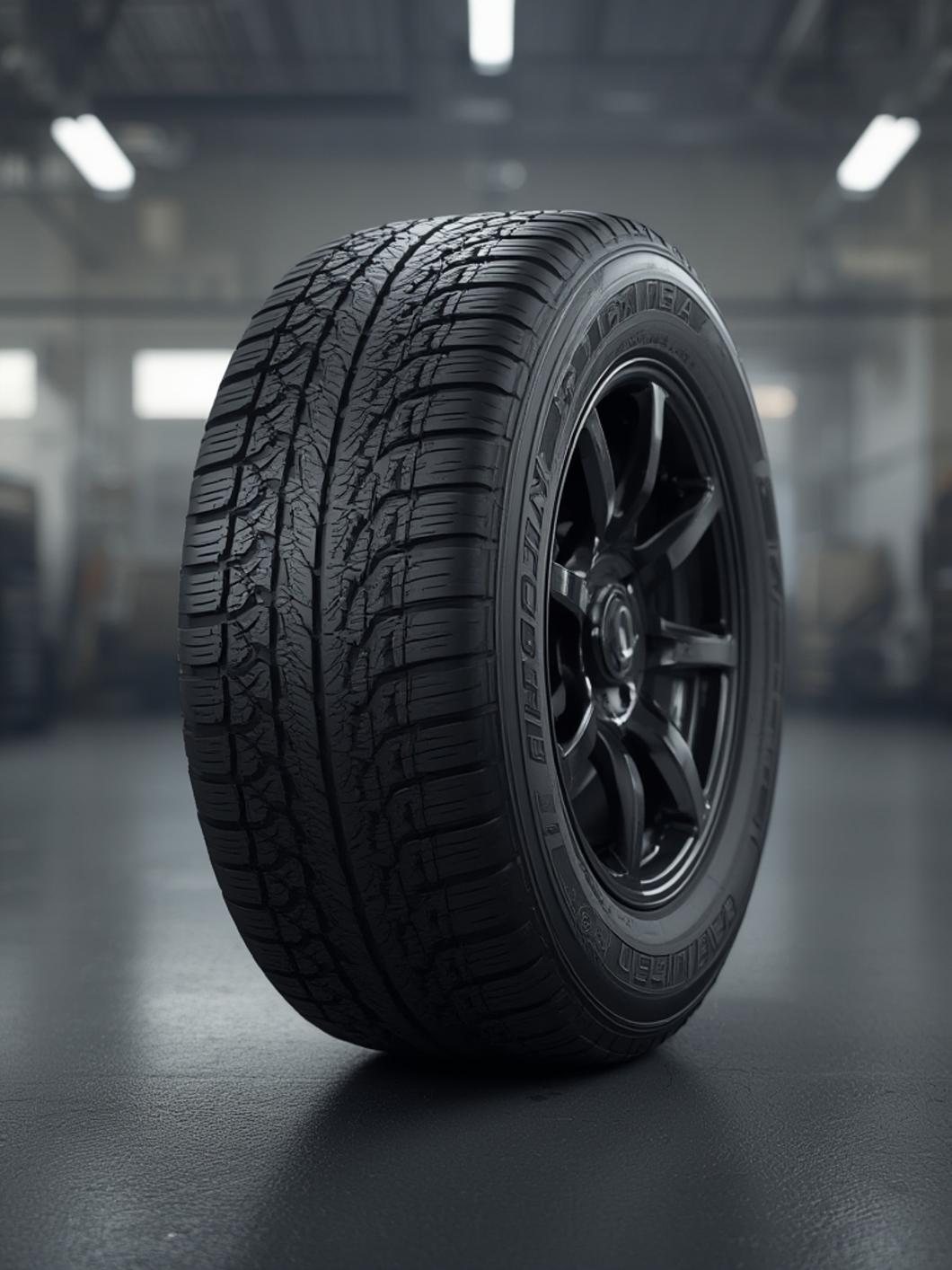
Have you ever noticed how the smooth glide of your golf cart suddenly feels bumpy and unstable? Proper maintenance and timely replacement of golf cart tires can make all the difference in your riding experience. Whether you’re navigating the course or using your cart around your property, understanding how to care for those tires for golf carts is essential for safety, performance, and longevity.
Table of Contents
Regular maintenance and knowing when it’s time for a golf cart tire replacement can save you money while ensuring a smooth ride every time.
Materials & Supplies
To properly maintain your golf cart tires, you’ll need several essential tools:
1. Tire pressure gauge (specialized for low-pressure tires)
2. Portable air compressor with low PSI settings
3. Jack suitable for golf carts
4. Jack stands
5. Lug wrench or socket set
6. Tread depth gauge
7. Cleaning solution and brush
8. Tire protectant/UV guard
9. Safety gloves
10. Tire plug kit (for emergency repairs)
Optional items include a torque wrench for precise lug nut tightening and a tire inflator with an automatic shutoff feature to prevent over-inflation.
Timing / Inspection Schedule
Golf cart tires should be inspected at least once a month for casual users and weekly for daily users. Check tire pressure before each use, as golf cart tires typically require lower pressure (15-25 PSI) than automobile tires.
Seasonal inspection schedule:
– Spring: Complete inspection after winter storage
– Summer: Bi-weekly checks during peak usage season
– Fall: Pre-storage inspection
– Winter: Monthly checks if still in use
Most golf cart tires need replacement every 3-5 years, depending on usage patterns, terrain types, and storage conditions. Watch for tread wear indicators or when tread depth reaches 2/32 of an inch.
Step-by-Step Instructions
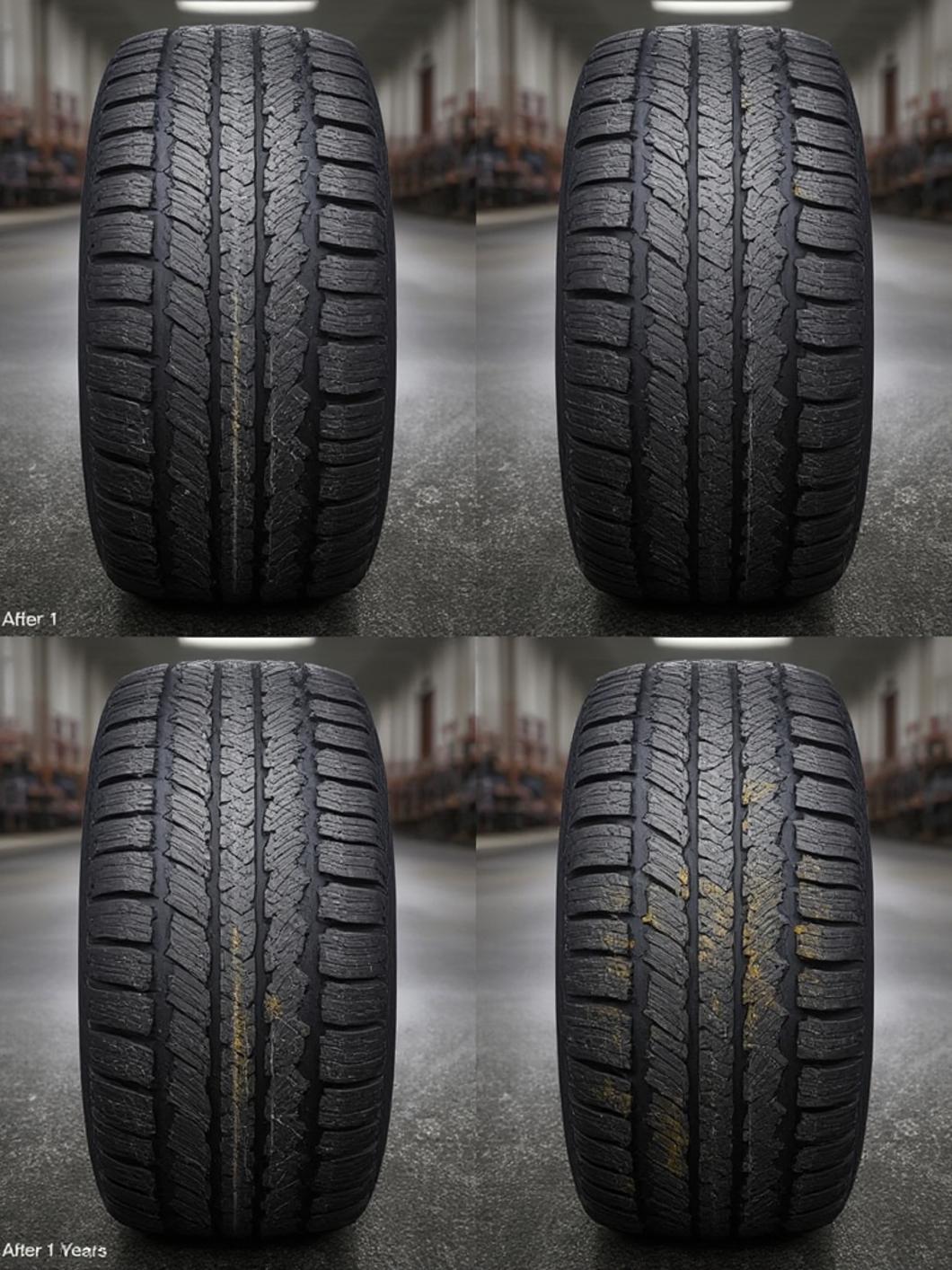
1. Check tire pressure – Use a low-pressure gauge to verify inflation levels against the manufacturer’s recommendations. Under-inflated tires for golf carts can cause premature wear and handling issues.
2. Inspect tread and sidewalls – Look for cracks, bulges, or uneven wear patterns. Small cracks on sidewalls often indicate age deterioration and signal potential golf cart tire replacement needs.
3. Clean tires thoroughly – Remove debris and mud, especially after off-course use. Use a mild soap solution rather than harsh chemicals that can deteriorate rubber.
4. Apply protectant – Use a UV-resistant tire protectant to prevent premature aging from sun exposure.
5. Rotate tires – Every 6 months or 2,000 miles to ensure even wear patterns.
6. Replace when necessary – If you notice significant tread wear, cracks, or persistent slow leaks, it’s time for replacement.
Benefits / Advantages
Proper tire maintenance provides numerous benefits:
– Extended tire lifespan (up to 50% longer with proper care)
– Improved vehicle handling and stability
– Better traction on various terrains
– Reduced energy consumption (battery preservation)
– Enhanced safety for passengers
– Lower long-term maintenance costs
– Smoother, more comfortable rides
Tips, Alternative Methods, or Driving Advice
– Consider upgrading to premium tires for improved performance on specific terrains
– For sandy courses, slightly lower tire pressure (within 2-3 PSI of recommendations) can improve traction
– In wet conditions, ensure tires have adequate tread depth to prevent hydroplaning
– For winter storage, elevate the cart on jack stands to prevent flat spots
– Consider all-terrain tires if you frequently drive on rough surfaces
– Install tire liners for extra puncture protection if your course has hazardous areas
Common Mistakes to Avoid
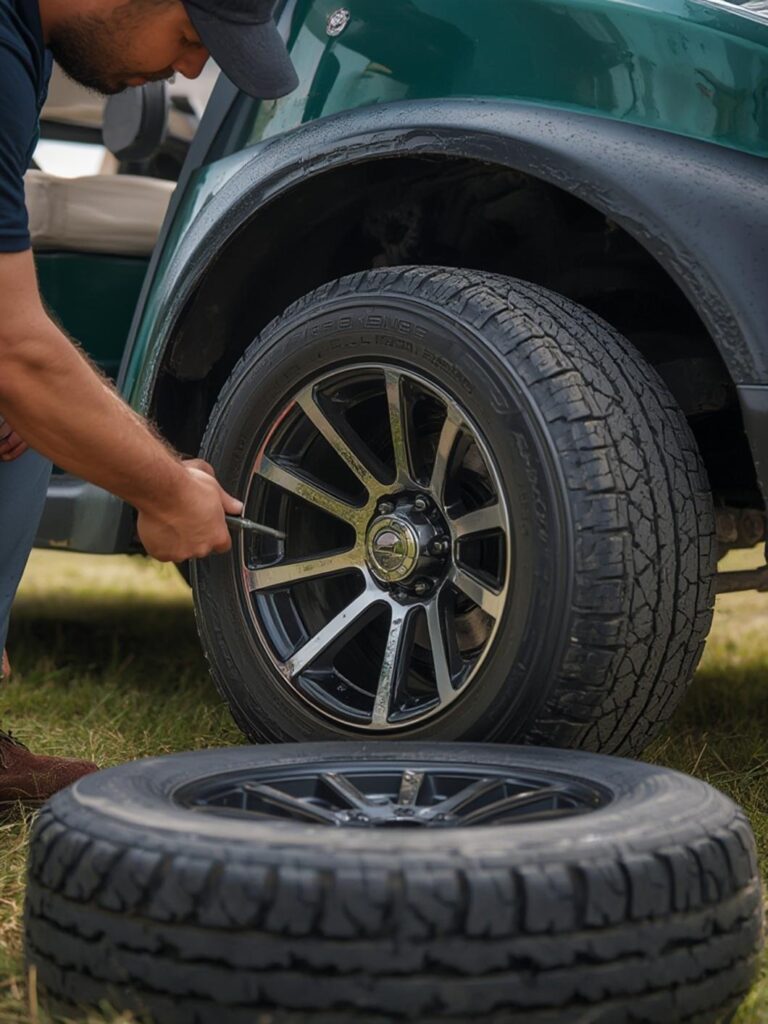
1. Over-inflation – Exceeding recommended PSI causes center tread wear and a harsh ride
2. Under-inflation – Leads to sidewall damage and poor handling
3. Ignoring alignment issues – Uneven wear patterns indicate alignment problems
4. Using automotive products – Golf cart tires require specific low-pressure gauges and products
5. Mixing tire types – Using different tread patterns or sizes affects handling
6. Neglecting valve stems – Old or damaged valve stems can cause slow leaks
Storage / Maintenance Tips
Store unmounted tires in a cool, dry place away from direct sunlight and ozone sources like electric motors. Keep mounted tires inflated to proper pressure, even during storage.
For seasonal storage:
– Clean tires thoroughly before storing
– Apply a quality tire protectant
– Elevate the cart on jack stands to prevent flat spots
– Cover tires to protect from UV exposure
– Maintain at least 50% of recommended pressure
Conclusion
Proper maintenance of your golf cart tires ensures not only a smoother ride but also enhanced safety and cost savings over time. By following these guidelines for regular inspection and care, you’ll maximize the lifespan of your tires for golf carts and know exactly when it’s time for a golf cart tire replacement. Remember that prevention is always less expensive than replacement. Take the time to implement these maintenance practices today, and your golf cart will reward you with reliable performance for years to come.
FAQs
How often should I check the pressure in my golf cart tires?
Check tire pressure at least weekly during regular use, and before each use if the cart has been sitting for more than a week.
Can I use fix-a-flat products on my golf cart tires?
While emergency tire sealants can work temporarily, they’re not recommended as permanent solutions and may damage the wheel or make proper repairs more difficult.
What’s the typical lifespan of golf cart tires?
With proper maintenance, quality golf cart tires typically last 3-5 years or approximately 5,000-10,000 miles, depending on usage conditions and terrain.
Is it necessary to replace all tires at the same time?
While not always necessary, replacing tires in pairs (at minimum) ensures balanced handling and consistent performance.
How can I tell when my golf cart tires need replacement?
Replace tires when tread depth reaches 2/32″, when sidewall cracks appear, when tires show uneven wear patterns that can’t be corrected, or after 5+ years regardless of appearance.