
How to grow 5: how often should you change your tires
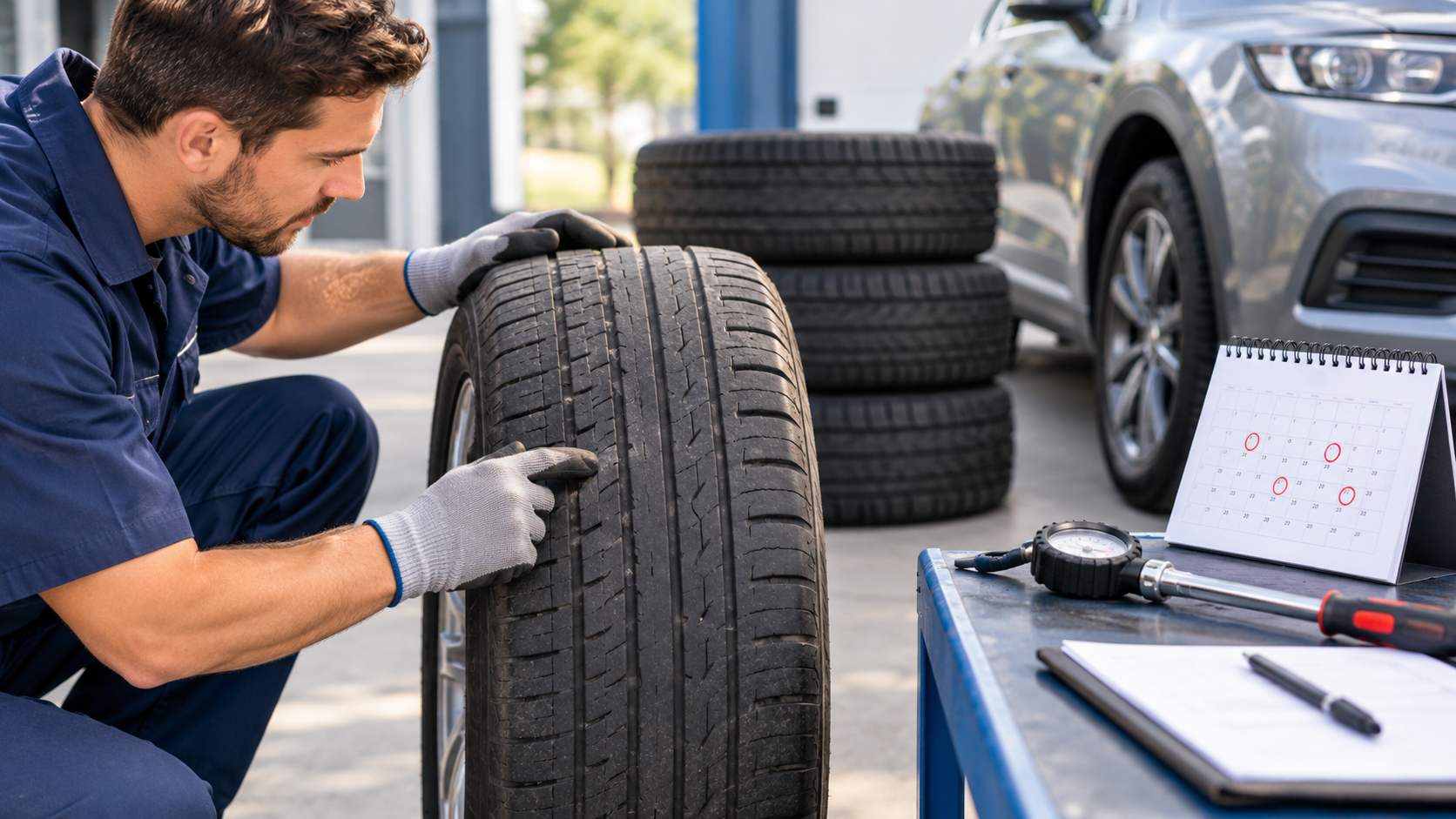
If you are asking how often should you change your tires, there is no single mileage number that fits every vehicle. A practical answer is to replace tires when they reach the end of their usable tread, show damage, become too old, or develop performance problems. Mileage can help you plan an inspection, but condition and age can matter just as much.
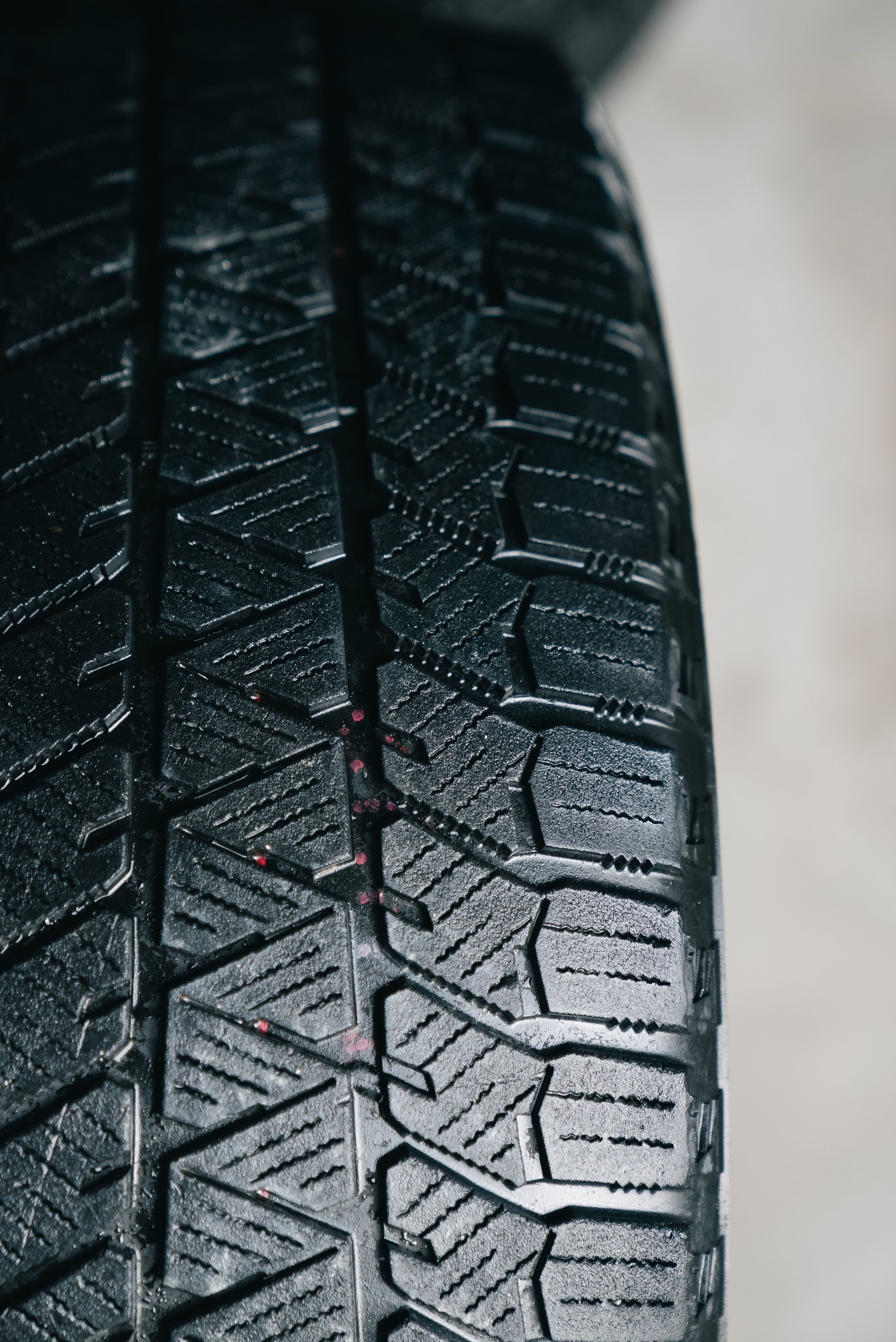
Your tires are the only parts of the vehicle that continuously contact the road, so waiting for an obvious failure is not a good replacement strategy. Instead, use a simple four-part check: mileage, age, tread wear, and physical condition. That approach gives you a much clearer answer than relying on the odometer alone.
The Simple Rule: Check More Often Than You Replace
Most drivers do not need to replace tires on a fixed calendar date. Tire life depends on the tire itself, the vehicle, road conditions, climate, load, inflation pressure, alignment, and driving style. Two cars with the same mileage can therefore have very different tire conditions.
A useful habit is to inspect your tires at least monthly and before a long road trip. Look at the tread and sidewalls, check cold inflation pressure against the vehicle manufacturer’s recommended specification, and watch for changes in noise, vibration, or handling. NHTSA also advises regular inspection of tread wear and tire damage. Learn the practical steps for changing a tire safely if you also want to prepare for an unexpected roadside tire problem.
How Mileage Affects Tire Replacement
Mileage matters because every mile adds cycles of friction, heat, flexing, and contact with the road. However, tire manufacturers do not provide one universal mileage limit for every tire. A touring tire used mostly on smooth highways can wear differently from a tire used on rough city streets, heavy loads, frequent hard braking, or spirited cornering.
Instead of asking whether your tires have reached a specific number of miles, ask whether the tread is wearing evenly and whether the remaining tread is still adequate. Uneven wear can also signal an alignment, inflation, balancing, suspension, or rotation issue. Fixing the underlying problem can prevent a replacement set from wearing prematurely.
| Condition | What to Check | What It Means |
|---|---|---|
| Low mileage | Age, cracks, pressure, tread | Low use does not prevent aging |
| High mileage | Tread depth and wear pattern | Inspect more closely for wear |
| Uneven wear | Inside, center, and outside edges | May indicate a maintenance or alignment issue |
| Repeated pressure loss | Valve, puncture, wheel, and tire condition | Needs prompt professional inspection |
Regular rotation can help control irregular wear when your vehicle manufacturer recommends rotation. NHTSA notes that some vehicles should not have their tires rotated, particularly when front and rear tire sizes differ, so the owner’s manual should guide the schedule and pattern.
Tire Age: Why Old Tires Need Attention
Tires age even when the car is driven very little. Rubber and other tire components change over time because of service, storage, environmental exposure, heat, and sunlight. This is particularly important for vehicles that spend long periods parked or accumulate very low annual mileage.
There is no universal rule that every tire must be replaced at exactly the same age. NHTSA explains that some vehicle and tire manufacturers recommend replacement at six to ten years, regardless of treadwear. That makes the manufacturer’s recommendation important when deciding how long an individual tire should remain in service.
How to Find the Tire’s Manufacturing Date
Look for the DOT Tire Identification Number on the sidewall. The last four digits identify the week and year of manufacture. For example, a code ending in 0322 indicates the third week of 2022. The complete identification marking may appear on only one side of the tire, so you may need to inspect both sides.
Age is especially worth checking when buying a vehicle with low mileage, using a seldom-driven spare, or inspecting tires that have been stored for a long time. If the tire is approaching or beyond the age range recommended by its manufacturer, have it evaluated by a qualified tire professional rather than relying on tread appearance alone.
When Tread Wear Means It Is Time for New Tires
Tread is critical because it provides traction and helps the tire manage water on wet roads. NHTSA states that tires should be replaced when tread reaches 2/32 of an inch. Tires also have built-in treadwear indicators, or wear bars, located in the grooves. When the tread becomes level with those indicators, replacement is due.
You can perform a quick visual check, but a tread-depth gauge gives you a more precise measurement. Check several points across each tire rather than measuring only the center. A tire that has plenty of tread in the middle but is badly worn on one shoulder may still have a serious problem.
- Wear bars are level with the tread: Replace the tire rather than continuing to drive on it.
- Tread is at or below 2/32 inch: NHTSA identifies this as the replacement point.
- Wear is uneven: Have the vehicle and tire inspected for the cause.
- One tire is wearing much faster: Check pressure, alignment, suspension, and tire condition before fitting another replacement.
Signs You Should Replace a Tire Sooner
Age and tread are not the only reasons to replace a tire. A tire can become unsafe because of damage or a change in how it performs. After hitting a deep pothole, curb, road debris, or another obstacle, inspect the tire carefully even if it still appears inflated.
Watch for These Warning Signs
- Cracks: Cracking in the sidewall or tread area can indicate deterioration and deserves professional attention.
- Bulges or bubbles: A bulge can indicate internal structural damage and should not be ignored.
- Cuts or punctures: Visible damage can require inspection or replacement depending on its location and severity.
- Persistent vibration: New or worsening vibration may point to a tire, wheel, balance, or alignment problem.
- Unusual noise: A new humming, thumping, or other tire-related sound should be investigated.
- Repeated air loss: A tire that will not maintain the correct pressure needs prompt inspection.
NHTSA specifically advises drivers to seek professional help when they notice tire performance issues such as difficulty maintaining inflation pressure, unusual noise, or vibration. Physical damage such as cuts, cracks, and bulges is also a reason to stop treating the tire as a routine wear item and have it assessed.
Driving Habits Can Shorten Tire Life
How you drive can change how quickly tires wear. Frequent hard acceleration, aggressive cornering, sudden braking, high-speed driving, heavy loads, rough roads, potholes, and poor tire inflation can all increase stress on the tire. Climate and storage conditions also affect aging.
That does not mean you need to replace tires according to a fixed formula for every driving style. It means your inspection routine should reflect how the vehicle is actually used. A car that spends most of its time in hot weather, carries heavy loads, or travels over rough roads deserves careful and regular tire checks.
A Practical Tire Replacement Checklist
If you want a straightforward answer to how often should you change your tires, use this checklist every month and before major trips. It turns a vague replacement question into a repeatable maintenance routine.
- Check cold pressure: Use the pressure listed on the vehicle’s door-jamb label or in the owner’s manual, not the maximum pressure printed on the tire sidewall.
- Inspect the tread: Look for wear bars, low tread, and uneven patterns across the tire.
- Inspect the sidewalls: Look for cuts, cracks, bulges, or other visible damage.
- Check the tire date: Read the last four digits of the DOT identification number to determine the manufacturing week and year.
- Notice performance changes: Take new vibration, noise, handling changes, or repeated pressure loss seriously.
- Review the vehicle manual: Follow the manufacturer’s recommendations for tire size, pressure, rotation, and replacement.
- Use a professional inspection: If you are uncertain about damage, age, or uneven wear, have a qualified tire professional inspect the tire.
For another practical perspective on replacement timing and the warning signs drivers should watch for, you can also review these key tips for knowing when to change tires.
What to Do Before Buying Replacement Tires
Once your inspection shows that replacement is necessary, do not choose a tire based only on price or a generic size description. Confirm the correct tire size and load requirements using the vehicle owner’s manual and the Tire and Loading Information Label on the driver’s side door or pillar.
It is also useful to compare the type of tire with your driving environment. Think about wet-road performance, climate, typical load, highway versus city driving, seasonal conditions, and the vehicle manufacturer’s requirements. The right replacement should match the vehicle and the way you actually drive it.
For official consumer guidance on tread, tire age, pressure, damage, and maintenance, see the NHTSA guidance on when to change tires.
Final Answer: How Often Should You Change Your Tires?
There is no single mileage or calendar interval that safely applies to every tire. Replace tires when tread reaches the replacement limit, when the tire develops significant damage or abnormal wear, when age reaches the period recommended by the vehicle or tire manufacturer, or when a professional identifies a condition that makes continued use inappropriate. Check your tires at least monthly, monitor pressure and tread, inspect them after significant impacts, and pay attention to changes in noise, vibration, or inflation. In short, do not wait for a flat tire to tell you that your tires are finished—the safest replacement decision comes from combining mileage, age, tread, condition, and real-world performance.