
Quick way to grow: 7 tips when to change tires
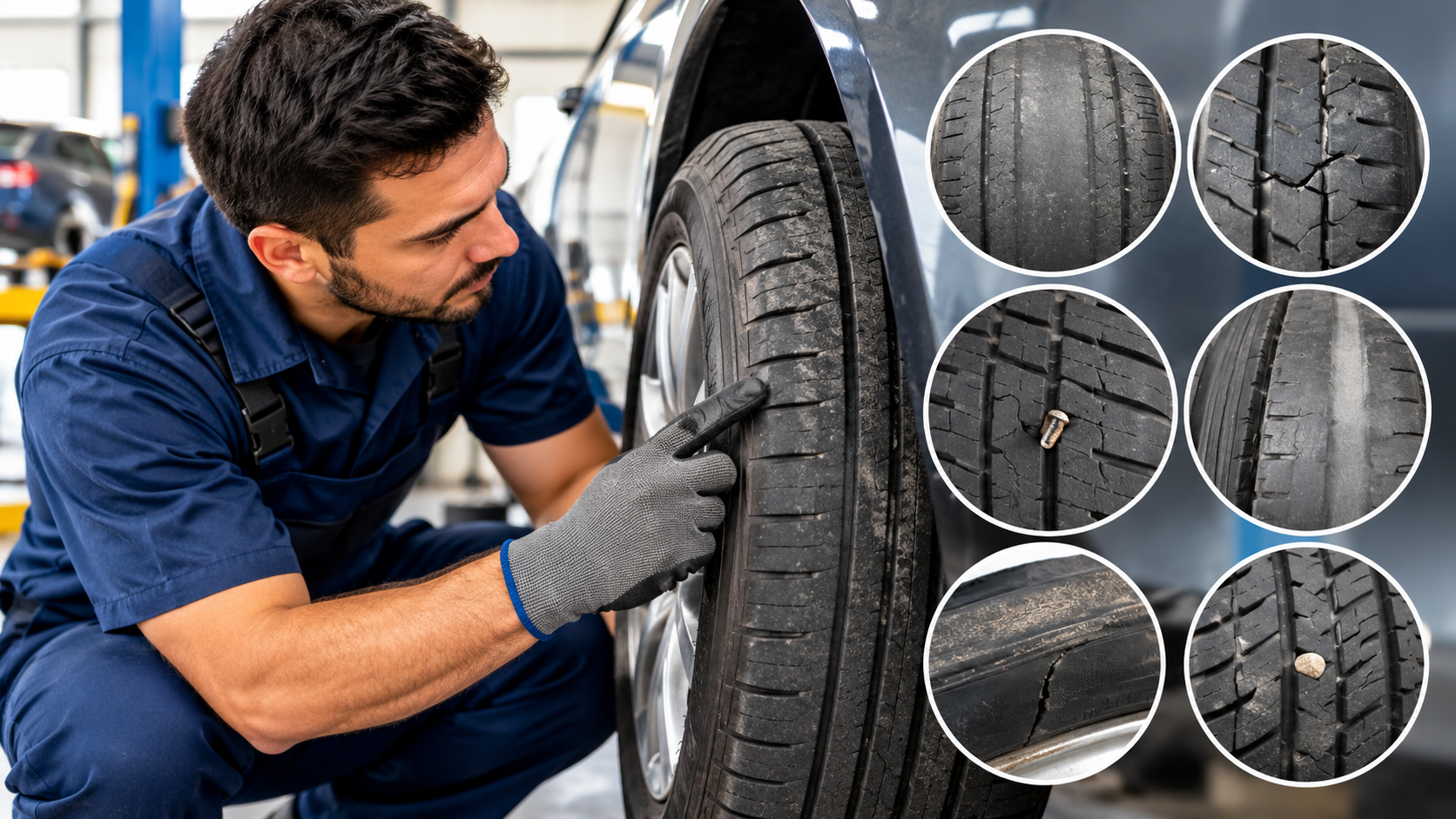
If you are wondering when to change tires, do not wait for a flat tire or an obvious failure. The safest approach is to replace tires when their tread reaches the legal or manufacturer-recommended limit, when they show significant damage, when age becomes a concern, or when their condition starts affecting the way your vehicle handles. Regular inspection can reveal these warning signs before they become a roadside emergency.

Tire replacement is not based on mileage alone. Two vehicles can use the same tire for very different periods because inflation, alignment, driving habits, road conditions, climate, storage, and vehicle load all affect tire condition. The practical goal is simple: inspect your tires regularly and act when a clear replacement indicator appears.
7 Essential Signs It Is Time to Change Your Tires
There is no single calendar date that applies to every tire. Instead, use the following seven checks as a practical decision framework. If one of these signs appears, especially a serious structural defect, have the tire assessed promptly by a qualified tire professional.
- Low tread depth: Replace a tire when its tread reaches the built-in wear indicators or the 2/32-inch minimum identified by NHTSA.
- Visible cracks or cuts: Damage in the tread or sidewall can signal that a tire needs professional inspection or replacement.
- Bulges or bubbles: A bulge can indicate internal structural damage and should not be ignored.
- Uneven or irregular wear: One-sided or unusual wear can point to inflation, alignment, suspension, or tire problems.
- Age-related deterioration: Tires become more susceptible to failure as they age, even when tread remains.
- Persistent pressure loss: A tire that repeatedly loses pressure needs attention rather than repeated inflation alone.
- Changes in driving performance: New vibration, noise, handling problems, or other unusual behavior warrants a tire inspection.
1. Check the Tread Before You Check the Odometer
Tread depth is one of the clearest indicators of tire replacement. Tire tread creates traction between the vehicle and the road, particularly when the surface is wet. As tread wears down, the tire has less usable groove depth for moving water away from the contact area.
NHTSA states that tires should be replaced when the tread wears down to 2/32 of an inch. Tires also contain molded tread-wear indicators. When those raised bars become level with the surrounding tread, the tire has reached its replacement point.
You can also perform the traditional penny test described by NHTSA. Place a penny into a tread groove with Lincoln’s head upside down. If you can see the top of Lincoln’s head, the tire should be replaced. Treat this as a quick screening method rather than a substitute for a professional inspection.
Inspect several grooves across each tire instead of checking only one location. Uneven wear can leave one area looking acceptable while another section has already reached the wear indicators.
2. Never Ignore Sidewall Damage
A tire can have reasonable tread depth and still require replacement because of physical damage. Look closely at both the tread and sidewalls for cuts, cracks, splits, punctures, scrapes, or other unusual marks. Bulges and bubbles deserve particular attention because they can indicate damage inside the tire structure.
If your vehicle hits a pothole, curb, road debris, or another significant obstacle, do not assume the tire is fine simply because it remains inflated. Some damage may not be obvious from the outside. A qualified tire professional can determine whether the tire can safely remain in service.
If you are preparing to replace a damaged tire yourself, you can review this practical guide to how to change tires for a step-by-step overview of the basic process.
3. Understand Tire Age, Not Just Tire Mileage
Tire aging can be easy to overlook, especially on vehicles that are driven infrequently. Rubber and other tire components change over time, and NHTSA notes that environmental conditions such as sunlight, heat, storage conditions, and maintenance can contribute to aging.
There is also an important distinction between a universal replacement date and manufacturer guidance. NHTSA explains that some vehicle and tire manufacturers recommend replacing tires that are six to 10 years old, regardless of treadwear. Therefore, do not use a generic age number as the only decision rule. Check the tire manufacturer’s recommendations and your vehicle documentation.
How to Find the Tire’s Manufacturing Date
Look for the tire’s DOT Tire Identification Number, or TIN, on the sidewall. The final four digits identify the week and year of manufacture. For example, a code ending in 0308 indicates production during the third week of 2008. The complete identification number may appear on only one side of the tire, so you may need to inspect both sides.
| Condition | What to Look For | Recommended Action |
|---|---|---|
| Tread worn | Wear indicators are level with tread | Replace the tire |
| Physical damage | Bulge, crack, cut, split, or serious puncture | Stop relying on the tire and seek professional assessment |
| Older tire | Advanced age based on manufacturing date | Check manufacturer replacement guidance |
| Uneven wear | One edge, section, or groove wears faster | Inspect tire and check alignment, inflation, and suspension |
| Pressure problem | Repeated loss of inflation | Find the cause and have the tire inspected |
4. Treat Uneven Wear as a Warning, Not Just an Appearance Problem
Uneven tread wear can tell you that something is wrong beyond normal tire aging. Wear concentrated on one side, for example, can be associated with alignment problems. Other irregular patterns may relate to incorrect inflation, wheel balance, suspension components, or the tire itself.
Replacing the tire without addressing the underlying cause may simply repeat the problem with the next set. That is why a professional inspection can be valuable when wear looks unusual. NHTSA specifically recommends attention to balance and alignment because these services can affect tire life and vehicle behavior.
When replacing tires, also follow the vehicle manufacturer’s specifications for tire size and other required characteristics. The correct replacement is not simply the cheapest tire that physically fits the wheel.
5. Watch What the Car Tells You While Driving
Your vehicle’s behavior can provide another clue about tire condition. Pay attention to new or persistent vibration, unusual tire noise, difficulty maintaining proper inflation, or changes in handling. These symptoms do not automatically prove that a tire needs replacement, because wheels, alignment, suspension components, and other systems can also create similar symptoms.
The important point is not to dismiss a new change. NHTSA advises drivers to consult a tire service professional when they notice tire performance issues such as difficulty maintaining inflation, unusual noise, or vibration.
Do Not Confuse Pressure With the Number on the Tire
The correct inflation pressure comes from the vehicle manufacturer’s specification, usually found on the driver’s door-area placard or in the owner’s manual. It is not necessarily the pressure molded into the tire sidewall. The sidewall figure identifies the tire’s maximum pressure, not the vehicle’s recommended operating pressure.
Check tire pressure when the tires are cold, inspect tread and sidewalls, and make sure the spare is also in usable condition. A pre-trip inspection can identify problems before you are far from assistance.
6. Consider Your Driving Conditions
Driving conditions influence how quickly tires wear and how demanding their job becomes. Frequent highway driving, heavy loads, rough roads, extreme temperatures, and long periods of storage can all affect tire condition. Seasonal conditions also matter because wet, icy, or otherwise challenging roads place greater demands on available traction.
That does not mean you should replace tires simply because the season changes. Instead, inspect their actual condition and ensure the tire type and condition suit your vehicle and driving environment. NHTSA recommends checking tires regularly and before long trips, with particular attention to tread, sidewalls, pressure, and damage.
If you use a manual tire changer as part of your maintenance setup, understanding the equipment and the tire-changing process can also reduce mistakes. These manual tire changer tips can help explain important considerations when working with tires and wheels.
7. Know When Inspection Should Become Replacement
Inspection and replacement are not always the same decision. A tire with a minor, repairable issue may not require immediate replacement, while a tire with serious structural damage should not remain in service simply because it still holds air.
Likewise, a tire with adequate tread may still need attention because of age, damage, repeated pressure loss, or abnormal performance. The safest approach is to consider all available evidence rather than relying on one measurement.
- Replace promptly: Tread has reached the wear indicators or 2/32-inch threshold.
- Seek professional assessment: You notice a bulge, significant crack, cut, unusual vibration, or unexplained pressure loss.
- Investigate the cause: Tread wear is irregular or concentrated on one section.
- Check manufacturer guidance: The tire or vehicle has reached an age where replacement is recommended.
- Verify the replacement: The new tire matches the vehicle’s specified size, load requirements, and speed rating where applicable.
What to Check Before Buying Replacement Tires
Once you know your tires need replacing, the next step is choosing the correct replacements. Start with the vehicle manufacturer’s specifications rather than shopping by appearance or price alone. The U.S. Tire Manufacturers Association advises consumers to use the vehicle’s recommended tire size, load index, and speed rating designation when selecting replacements.
If fewer than four tires must be replaced, the correct approach depends on the vehicle and existing tires. USTMA recommends replacing all four when feasible and provides specific guidance for situations where only one or two tires are replaced. When only two are replaced, its guidance recommends placing the newer tires on the rear axle.
A Simple Tire-Check Routine
You do not need specialized equipment to perform a useful first inspection. Make tire checks part of your regular vehicle maintenance rather than waiting until something feels wrong.
- Check all four tires and the spare for visible damage.
- Look across the tread for uneven wear.
- Check tread depth and the built-in wear indicators.
- Check cold inflation pressure against the vehicle manufacturer’s recommendation.
- Inspect the sidewalls for cracks, cuts, bulges, or other abnormalities.
- Check the tire identification date when age is a concern.
- Arrange a professional inspection if anything looks or feels unusual.
For additional official guidance on when to change tires, tread wear, tire aging, damage, and replacement considerations, consult the National Highway Traffic Safety Administration (NHTSA) tire safety guidance.
Final Takeaway: Replace Based on Condition, Not Guesswork
Knowing when to change tires comes down to recognizing the evidence in front of you. Check tread depth, inspect for cuts and bulges, monitor uneven wear and pressure loss, pay attention to changes in handling or vibration, and consider the tire’s manufacturing age alongside the recommendations of the tire and vehicle manufacturers. Tread that has reached the wear indicators or 2/32 inch is a clear replacement signal, while serious physical damage requires prompt professional attention. A consistent inspection routine gives you a much better chance of replacing tires before a preventable tire problem becomes a safety emergency.